

In what may be remembered as one of the most volatile flashpoints of the 21st century, the war between Israel and Iran has emerged as a fierce struggle not only for regional dominance but also for ideological and existential survival. While a US-brokered ceasefire was declared on June 24th, the ground reality reveals that peace hangs by a thread, fraying beneath the weight of retaliatory strikes, covert assassinations, and international distrust.
At the heart of this geopolitical tempest lies the surgical precision of Israeli intelligence and air strikes, including the recent elimination of Saeed Izadi, a senior commander of Iran’s elite Quds Force. This came as part of a broader Israeli military campaign that has reportedly killed dozens of high-ranking Iranian officers. Iran, unbowed and unrelenting, struck back by launching a Sejjil ballistic missile directly at Soroka Hospital in Beersheba — a move widely condemned as a potential war crime due to the targeting of civilian infrastructure. The hospital had begun evacuations mere hours before impact, sparing lives but leaving psychological and structural devastation in its wake.
 Iran’s casualties now number over 430 dead and at least 3,500 injured since the conflict’s full escalation on June 13. The war is no longer a mere exchange of military hardware—it has become a brutal message war, where every strike is designed not just to destroy, but to humiliate, intimidate, and provoke.
Despite this, the international community clings to the word “ceasefire” like a lifeline. European mediators in Geneva and Istanbul have thus far failed to bring either party back to the negotiating table. Iran has categorically ruled out any talks regarding its nuclear program as long as Israeli attacks continue. Trust has evaporated like dust in the Negev, and with it, the possibility of meaningful peace—at least for now.
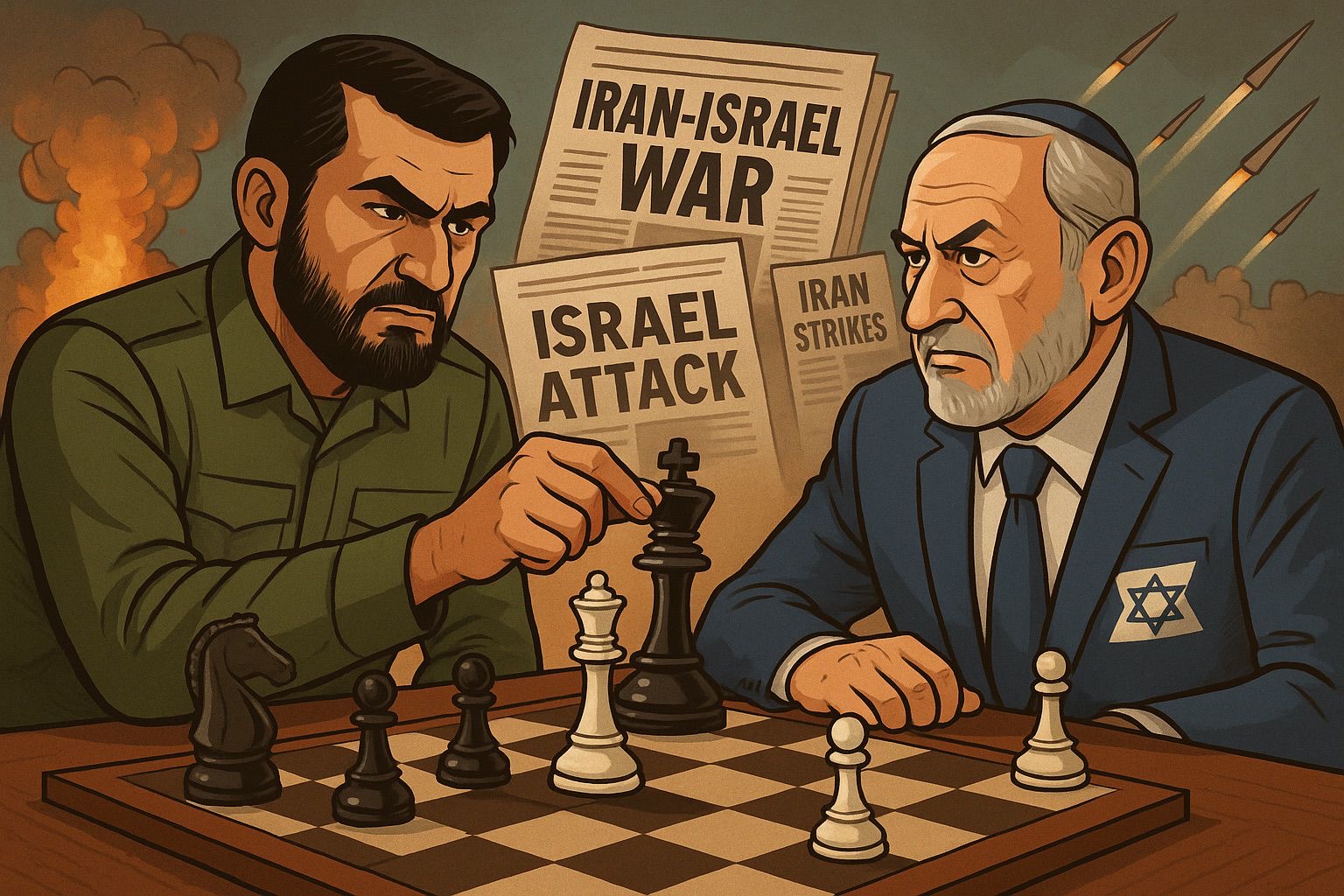
Meanwhile, a parallel war brews in the shadows: a war of drones, influence, and shifting alliances. British intelligence has warned that Iran’s redirection of military assets to this conflict may cripple its capacity to supply Russia with Shahed drones, a key component of Moscow’s ongoing campaign in Ukraine. Thus, the ripple effects of this war now stretch across Europe’s eastern frontier, adding another complex layer to the already volatile chessboard of global conflict.
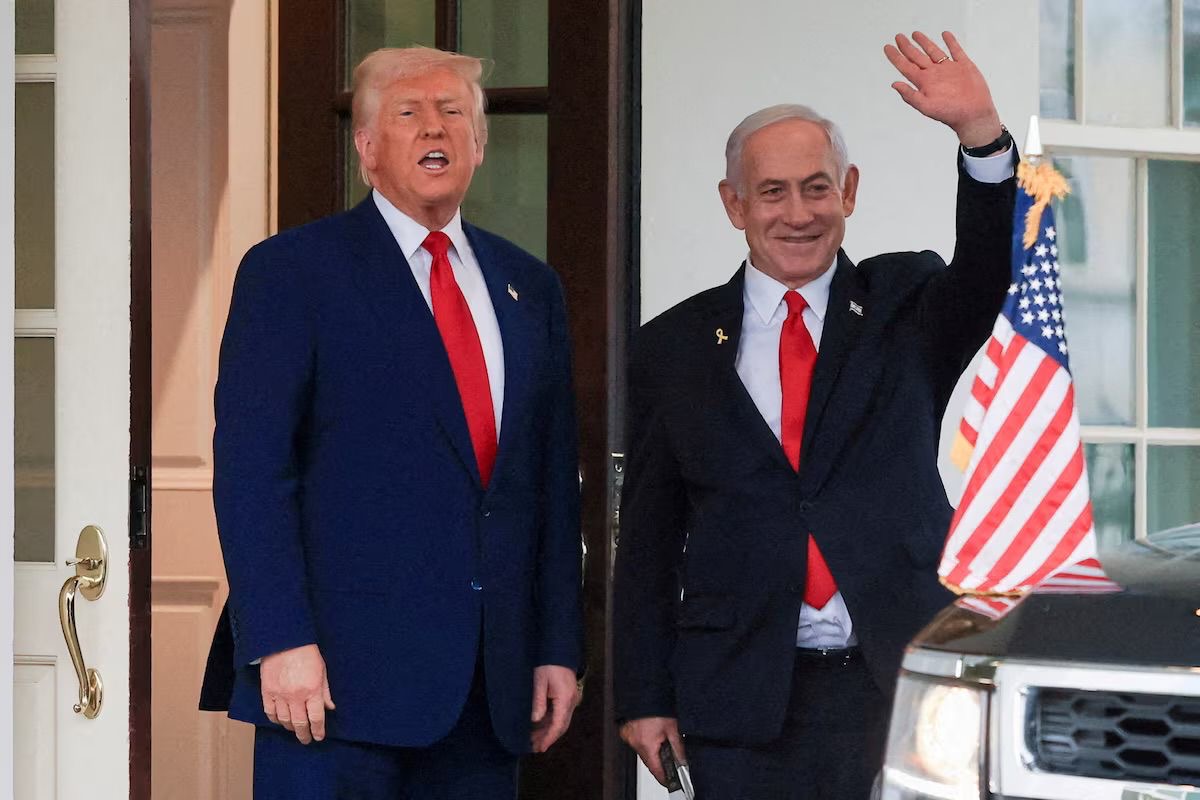
President Donald J. Trump, who brokered the ceasefire with characteristic flair, has announced a two-week hold on deeper American military involvement. His decision, a balancing act between appeasing Israeli hardliners and avoiding a quagmire of Middle Eastern re-engagement, has drawn both praise and criticism. It has also bought the world a temporary illusion of calm—a 12-hour rotating ceasefire in theory, if not in full practice.
But as the smoke curls into the Mediterranean sky, one question persists: how long can this “peace by rotation” last?
The war between Israel and Iran is no longer a conflict of borders; it is a clash of civilizational wills. It is a mirror of all the failures that diplomacy, deterrence, and development have failed to resolve for decades. It is about nuclear sovereignty, military deterrence, historical vengeance, and regional power projections. And tragically, as is always the case, it is the ordinary people — in Tehran, Tel Aviv, Beersheba, and Qom — who are paying the highest price.
 The world watches with a familiar blend of horror and helplessness. If this war teaches us anything, it is that fragile ceasefires are no substitute for structural peace. And unless the global community abandons the politics of delay and the calculus of strategic gain, the shadows over the Middle East will continue to lengthen.
Let the missiles cease, not just for twelve hours, but for eternity. And let the world remember — between every bombed-out building and bloodied child, diplomacy delayed is humanity denied.
⸻
By Jide Adesina
Investigative Writer | Global Security Commentator | Publisher, 1st Afrika Media
