

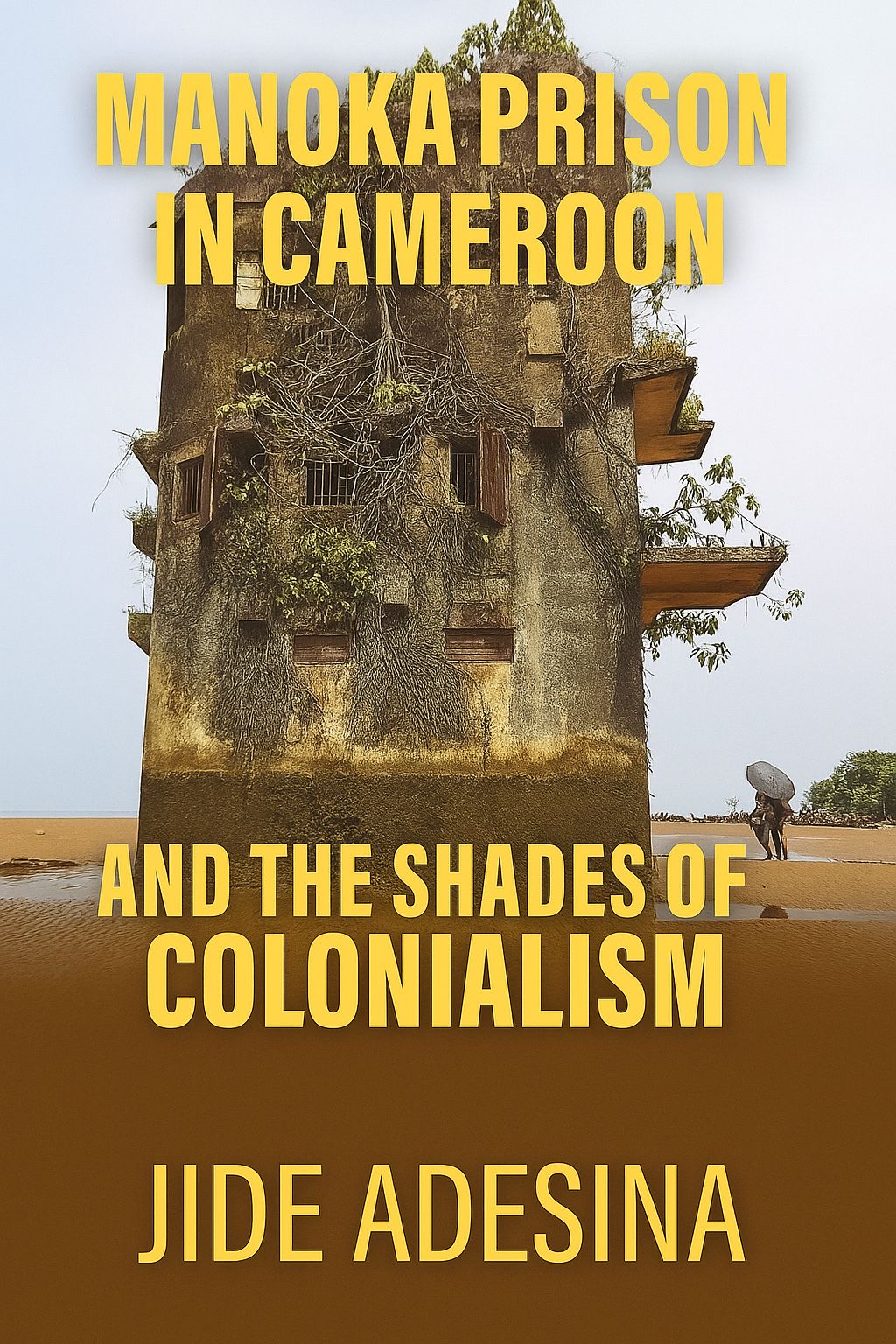
 Manoka Prison, situated on the isolated Manoka Island off the coast of Douala in Cameroon, embodies more than just the physical containment of human bodies; it is a living relic of colonial residue in post-independence Africa. To understand Manoka Prison is to confront the lingering shadows of a colonial structure that not only imprisoned bodies but also confined possibilities.
Originally established under German colonial administration and later inherited by the French, the use of remote, inaccessible islands as detention centers was a deliberate strategy of psychological isolation. For the colonizers, places like Manoka served not merely to punish but to erase—the physical distance symbolizing the stripping away of identity, community, and resistance. The prison at Manoka was thus not only a space of incarceration but an instrument of imperial control.
Today, decades after Cameroon’s formal independence, Manoka Prison persists, both physically and symbolically. Though independent governments manage it, its foundational purpose remains largely unchallenged: a place of exile within one’s own country. Detainees in Manoka are cut off from families, legal support, and basic civic visibility. The very geography of Manoka—its remoteness and inaccessibility—makes it a perfect tool for a state apparatus seeking to silence its most inconvenient prisoners.
Manoka Prison also reflects the broader struggle of African nations to dismantle not just the visible architecture of colonialism, but its institutional philosophies. The inherited penal systems, the repressive laws, and the arbitrary detention strategies are all mechanisms passed down from colonial administrators to post-colonial elites. In this continuity, Manoka stands as a stark monument to what Frantz Fanon described as the “black skin, white masks” dilemma: African institutions bearing European legacies, still functioning in ways that suppress rather than liberate.
Worse still, the conditions in Manoka Prison are reportedly dire—overcrowding, inadequate medical care, poor sanitation, and a lack of rehabilitation programs. Prisoners, many held without trial for extended periods, experience conditions reminiscent of the dehumanizing environments imposed during the colonial era. Here, human rights intersect directly with the postcolonial critique, raising the question: can a post-independence nation truly claim sovereignty when its justice system still serves colonial-style repression?
Yet, Manoka is not merely a story of victimhood; it is also a mirror. It reflects the need for Cameroonian society—and indeed, many African societies—to reckon honestly with their colonial inheritances. Reforming or abolishing institutions like Manoka is not just about prison policy; it is about the decolonization of the national psyche.
In the shadow of Manoka’s rusted gates lies the unfinished business of African independence. Closing that prison, or at least transforming it fundamentally, would symbolize a break from the past—a move from punishment to restoration, from inherited brutality to indigenous justice.
Until then, Manoka Prison remains a silent, salty witness to both colonial ghosts and postcolonial complacency.
