

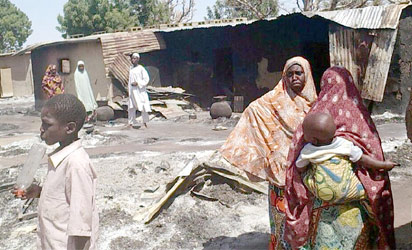
The crisis of insecurity in Nigeria today did not emerge by chance, nor did it grow overnight. It is the product of historical negligence, political expediency, and a systematic erosion of accountability within the nation’s security structure. What we are confronted with is not merely insurgency, nor just banditry, nor isolated acts of terrorism. It is a profound breach of trust between the Nigerian state and the very citizens it claims to protect. It is the unsettling reality that elements sworn to defend the nation have, over time, become enmeshed with the very forces they are expected to confront.
The Nigerian Armed Forces—long revered as a symbol of discipline and unity—have undergone an internal shift that has deeply compromised their integrity. During the previous administration, one of the most disastrous security policies was the integration of so-called “repentant terrorists” into the national military and intelligence architecture. This decision, publicly framed as rehabilitation and reintegration, created fissures in the very foundation of national security. Under the guise of reconciliation, individuals with unclear loyalties, unverified identities, and unresolved ideological motivations were positioned within institutions responsible for national defense. No nation can survive such contradictions without consequences.
The implication is evident in the present atmosphere: communities ravaged, entire regions destabilized, trust eroded, and intelligence operations compromised. It is no longer speculation that some actors in the military and security forces maintain covert alliances with terrorist networks and bandit formations. Rural populations in Northern Nigeria and the Middle Belt have repeatedly expressed the same fearful sentiment—“The attackers know when and where the soldiers will not be present.” This is not coincidence; this is systemic compromise.
However, the crisis is not solely internal. It belongs equally to the global security landscape. Nigeria remains a key African nation, strategic to international stability, with deep diplomatic ties and economic influence across the continent. The United States, Canada, and multiple global monitoring agencies have in recent years categorized Nigeria as a Country of Concern due to ongoing religious persecution, targeted killings, and ethnically-motivated violence. The warnings have been issued. The world is watching.
Yet, political hypocrisy and historical irony now confront the presidency of Bola Ahmed Tinubu. During the administration of President Goodluck Jonathan, Tinubu was among political voices who discouraged international support—particularly military arms assistance—from reaching the Nigerian government on the grounds of corruption. The question now arises: who is more corrupt today? If corruption was the justification then, what is the justification now when entire territories are still under siege and citizens continue to live in fear?
In truth, Nigeria’s path toward recovery requires humility, honesty, and the willingness to call upon those with both experience and moral authority. Former President Olusegun Obasanjo’s era still holds key lessons on counter-insurgency management and national reconciliation. General Yakubu Gowon, as the last surviving architect of post-civil war national unity, remains a valuable custodian of institutional memory. Goodluck Jonathan, with his accumulated intelligence records and international goodwill, has capacity to contribute meaningfully to the restoration of internal security structures. Nigeria does not lack the minds or the capacity; what is lacking is political will and the courage to act above personal ego.
The situation is not merely political—it is deeply humanitarian. In 2013 and 2014, I conducted field research in internally displaced communities across Northern Nigeria, the Middle Belt, and border regions of Cross River State affected by spillover violence linked to Cameroonian conflict zones. The documentary that emerged from this work, titled “Sands of Time,” captured testimonies of families uprooted, villages erased, and futures stolen. Yet this work never reached the public. Critical portions of the research data were taken and used without acknowledgment by certain academic actors within the University of Ibadan. One of these individuals later leveraged this stolen material to secure the prestigious NLNG Prize for Literature. Till today, he has contributed nothing to solving the crisis because he never understood the depth of the suffering; he never went to the field; he merely used the pain of displaced Nigerians as intellectual currency.
That research was not just data. It was memory. It was suffering. It was the documented voice of a people crying to be heard. And it was silenced.
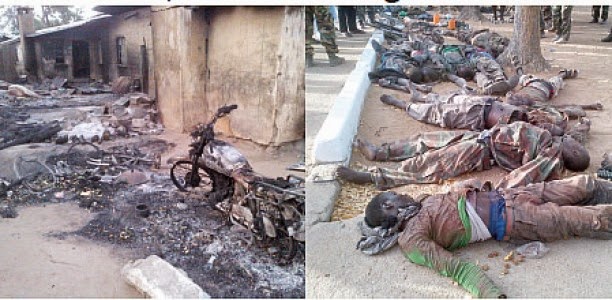
The truth remains: Nigeria’s security establishment has been penetrated and compromised at multiple levels. Entire communities cannot continue to remain at the mercy of armed non-state groups while the state claims sovereignty. The Nigerian people—particularly Christian and minority populations across the North and Middle Belt—are facing targeted violence that aligns with international legal definitions of ethnic cleansing and religious persecution. These are not exaggerated claims; these are lived realities.
While I do not support foreign military invasion or external domination of African sovereignty, it has become necessary to call upon international frameworks capable of impartial intervention. The United Nations, the African Union, and regional security coalitions must treat Nigeria’s situation with urgency and coordination. National sovereignty is not meaningful when citizens have no safety and no guarantee of life.
Nigeria stands at a crossroads where denial is no longer an option and silence is no longer neutral. The path forward requires institutional cleansing, transparent accountability, the re-evaluation of military recruitment pipelines, the dismantling of insurgent infiltration networks, and the honest admission that mistakes have been made.
History is watching. The world is watching. But most importantly—those who have suffered are watching.
And they will remember who spoke, who acted, and who remained silent.
Written by:
Jide Adesina
