

Speculation regarding a potential American invasion of Nigeria is not only unfounded but fundamentally misrepresents the geopolitical realities of the modern world. While it is conceivable that covert operations may occur in specific regions due to intelligence priorities, the notion of a full-scale military incursion into Nigeria is highly improbable. Such speculation underestimates the sophisticated intelligence, political acumen, and deep-rooted resilience of Nigeria as a sovereign nation. To understand this dynamic, it is essential to explore Nigeria’s historical context, sociopolitical complexities, demographic strengths, and its diplomatic standing on the international stage.
Nigeria’s emergence as a nation was not forged through prolonged warfare but through negotiation, political engagement, and a determined struggle for self-determination. Unlike nations that gained independence via protracted armed conflict, Nigeria’s sovereignty was achieved in 1960 largely through political compromise and leadership consensus. The subsequent Biafra conflict, which erupted less than a decade later, represents one of the country’s few modern encounters with large-scale internal conflict. Often framed as a war, the Biafra episode was, in essence, a tragic intersection of military ambition, political ego, and ethnic division. While the conflict left deep scars, it did not yield a traditional victor. Col. Odumegwu Ojukwu’s eventual retreat and the reintegration of Biafra into Nigeria highlighted a crucial lesson: internal strife borne of sectionalism and personal ambition leaves only temporary gains and long-term instability. The echoes of this period continue to shape contemporary Nigeria, providing a lens through which we can understand modern ethno-political movements.
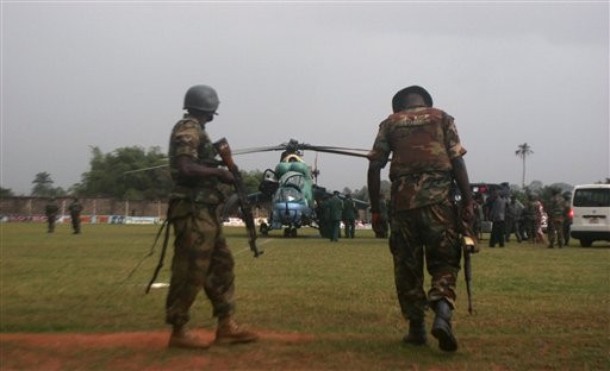
The post-Biafra period has witnessed the rise of various forms of localized agitation, separatism, and self-defense movements across the nation. In the southeastern region, the resurgence of the Indigenous People of Biafra (IPOB) under Nnamdi Kanu represents a modern articulation of secessionist aspirations. In the northern regions, Boko Haram emerged as a violent response to perceived systemic neglect, ideological conflict, and governance failure. Meanwhile, the southwest saw the evolution of groups such as the Oodua Peoples Congress (OPC), formed ostensibly to safeguard regional interests. In the Niger Delta, militant movements like the Egbesu cult emerged from decades of economic marginalization, environmental degradation, and resource disputes. Each of these movements reflects a pattern: when governance falters, gaps in social contract and security are often filled by localized mobilizations, which, when left unchecked, can escalate into broader national challenges.
Amid this complex landscape, the Middle Belt stands out as a region of remarkable resilience and moderation. Predominantly agrarian, culturally diverse, and largely Christian, the Middle Belt has resisted forming large-scale militias or engaging in violent secessionist activity. Its people have maintained a pragmatic approach to national engagement, prioritizing agriculture, commerce, and social cohesion over armed struggle. This region continues to function as the nation’s food basket, demonstrating that stability, economic contribution, and community engagement can coexist with vigilance against external and internal threats.
Nigeria’s demographic and strategic capacities are central to its resilience. With over 250 million citizens, the nation is the most populous in Africa and the largest black nation globally. Such a population represents not only a vast labor force but a deep reservoir of human capital, innovation, and socio-political influence. Intelligence networks, civil society structures, and an increasingly sophisticated diaspora ensure that no foreign power can easily subvert Nigeria’s sovereignty. Historically, attempts to intimidate or coerce Nigeria have failed, reflecting a consistent pattern of resilience informed by intelligence, strategy, and diplomacy.
The U.S.-Nigeria relationship illustrates the strategic complexity of foreign engagement with the country. From the early post-independence era through the Cold War and into the contemporary globalized order, Nigeria and the United States have maintained a multifaceted relationship characterized by economic partnership, military cooperation, and shared geopolitical interests. Nigeria is a key regional partner in counterterrorism, economic development, and global security initiatives. Its strategic importance in West Africa, combined with its population and natural resources, ensures that Nigeria’s stability is not merely a domestic concern but a matter of regional and global interest. The notion of an American occupation is therefore not only implausible but strategically nonsensical, as it would contravene both international norms and the long-standing history of U.S.-Nigeria cooperation.
Despite the improbability of foreign invasion, internal security challenges remain a pressing concern. Boko Haram, the Islamic State West Africa Province (ISWAP), and other extremist organizations continue to threaten lives, infrastructure, and governance in parts of Nigeria. The government’s response must therefore be multidimensional: military precision combined with social and economic policy interventions to address the root causes of insurgency. This includes bolstering intelligence capabilities, strengthening civil institutions, improving regional economic opportunities, and engaging communities in co-creating security solutions. International partnerships can assist in capacity-building, but the primary responsibility for national security rests squarely with Nigeria itself.
The nation’s diplomatic approach to these challenges also demonstrates a high degree of sophistication. Nigeria has consistently balanced its internal interests with external partnerships, maintaining regional leadership within the Economic Community of West African States (ECOWAS), engaging with the African Union, and participating in global forums on security, trade, and development. This nuanced diplomacy reinforces the country’s sovereignty while positioning it as an indispensable partner in the international system.

Ultimately, Nigeria’s strength lies in its unity, intelligence, and strategic foresight. The country has survived historical crises, resisted coercion, and maintained its territorial integrity despite significant internal and external pressures. Its people, institutions, and leadership collectively form a resilient framework capable of withstanding both domestic insurgencies and foreign interference. While vigilance is required, Nigeria’s future is grounded in its ability to adapt, strategize, and mobilize its vast human and material resources.
In conclusion, Nigeria is neither a nation of perpetual conflict nor a state vulnerable to foreign occupation. Its historical experience, demographic advantage, and diplomatic acumen render it a sovereign entity capable of navigating both domestic challenges and international expectations. By confronting internal threats decisively, reinforcing governance structures, and maintaining strategic diplomatic relations, Nigeria will continue to assert its sovereignty, protect its citizens, and consolidate its position as a leading African nation and a critical partner on the global stage. The nation’s trajectory is clear: through resilience, intelligence, and unity, Nigeria is poised not only to overcome its present challenges but to secure a prosperous and stable future for generations to come.
By Jide Adesina
Jide Adesina is a cybersecurity consultant, humanitarian, author, and political activist with established expertise in counter-terrorism and governance affairs. He has written extensively on national security, human rights, and inter-ethnic conflict resolution. Jide has served and volunteered with United Nations programs across multiple regions and remains a committed advocate for equal justice, institutional accountability, and the rule of law
