

By Jide Adesina | Editor-in-Chief, 1stAfrika.com
There are football matches. There are great finals. And then there are occasions that transcend the sport itself.
The 2026 FIFA World Cup final belongs in that rare category.
Regardless of the result, this is not merely Argentina against Spain. It is a meeting of generations, philosophies, dreams and destiny. It is football looking simultaneously into its glorious past and its uncertain future.
Many fans are expecting a spectacular, end-to-end final filled with goals, breathtaking counterattacks and moments of individual brilliance. That may happen. But I suspect something different.
I believe we may witness one of the most psychologically demanding World Cup finals ever played.
This could become a match dominated not by flair but by caution. Not by reckless attacking football but by patience, respect, emotional control and tactical intelligence. Every pass will carry weight. Every mistake could become history.
That is what makes this final extraordinary.
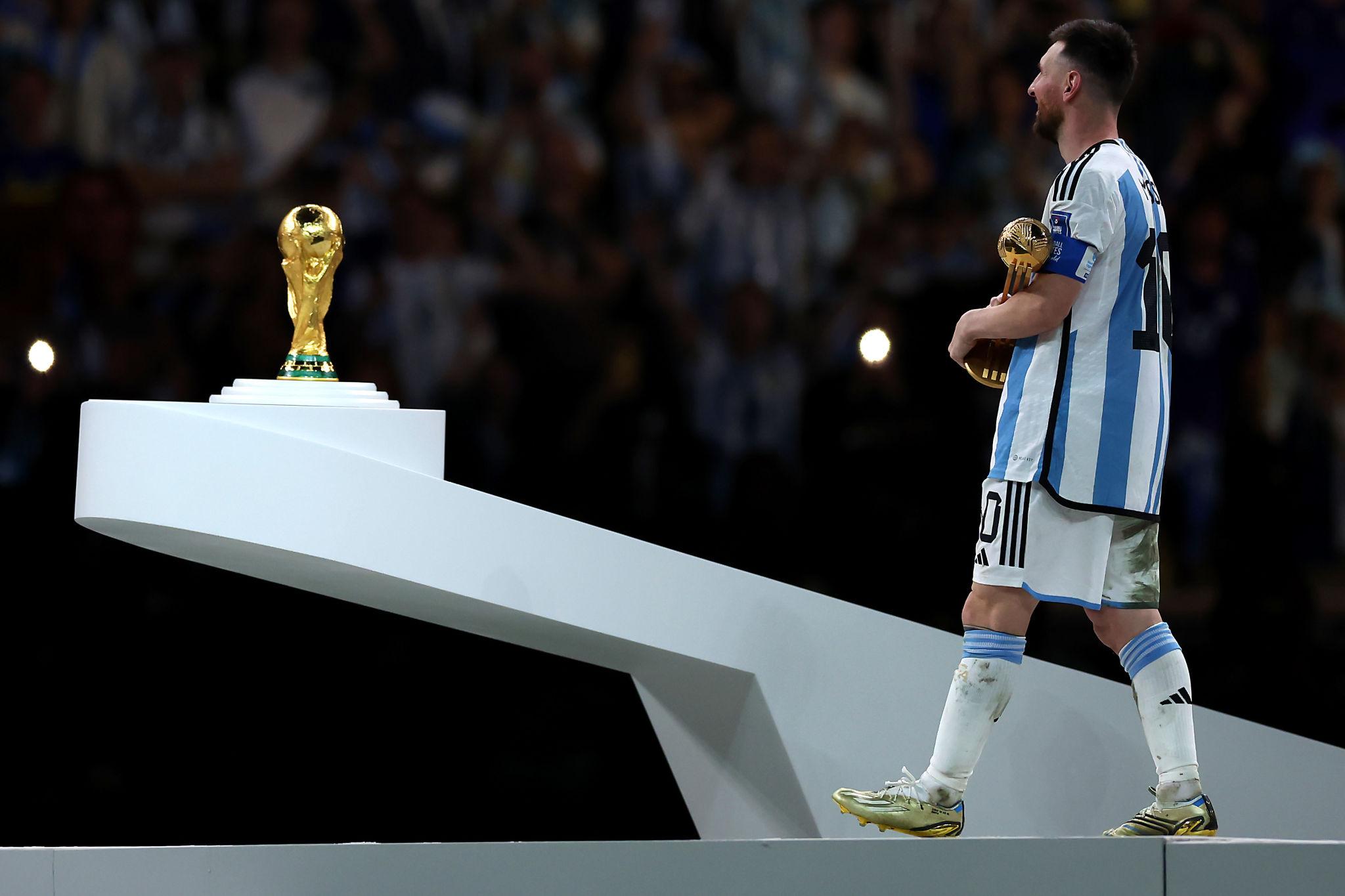
The Weight of Lionel Messi
Lionel Messi’s presence alone changes everything.
His influence extends far beyond what happens on the pitch.
Many of Spain’s young stars grew up watching him dominate European football in Barcelona. For players such as Lamine Yamal and Dani Olmo, Messi was not simply another opponent. He was the player many admired, studied and attempted to emulate.
Imagine standing across from the footballer whose posters decorated your childhood walls.
Imagine trying to defeat the man whose highlights inspired you to dream.
That is not simply football.
That is psychology.
That is emotion.
That is pressure.
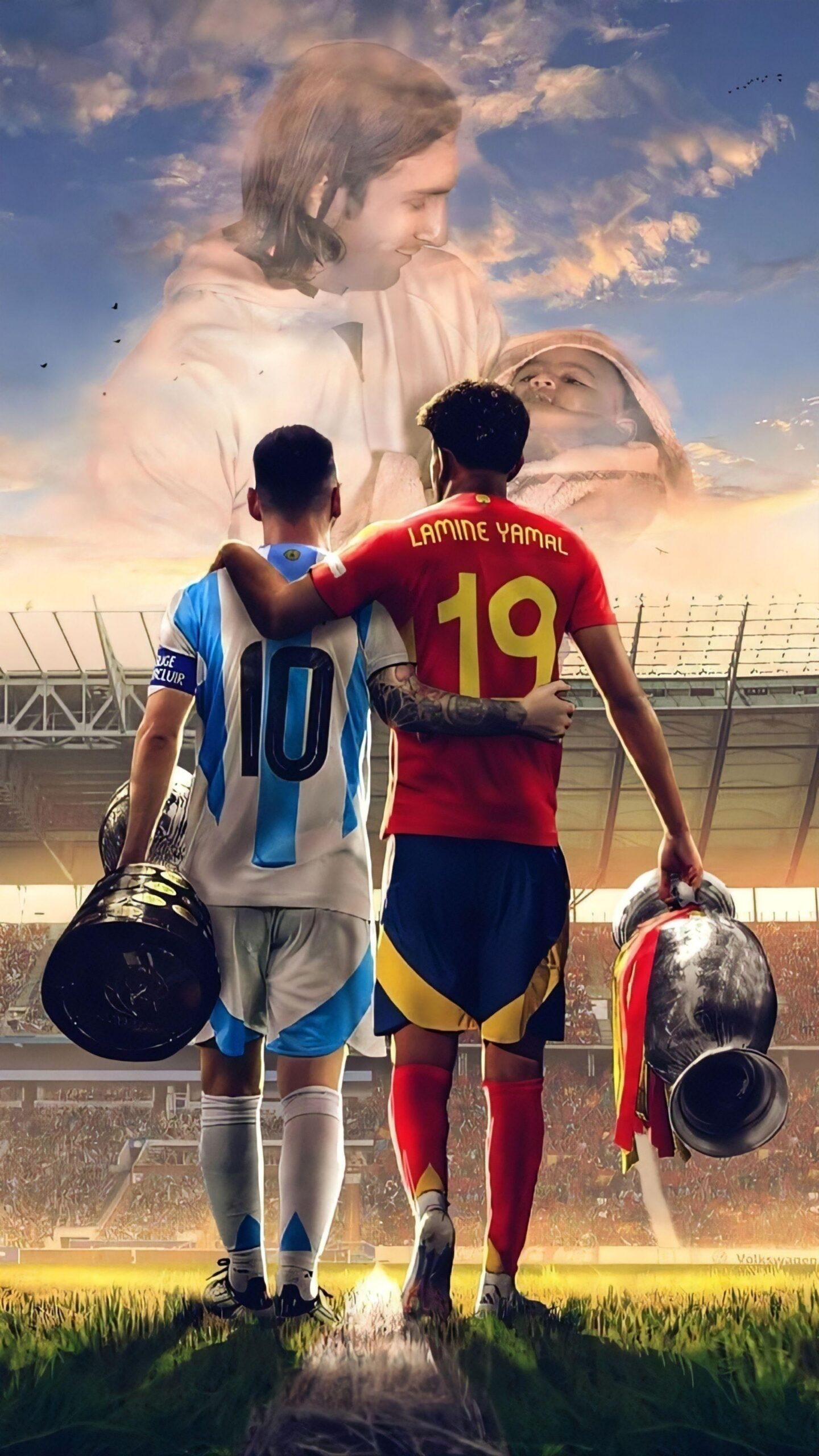
It is almost like a son trying to prove to his father that he has become a man, while the father quietly concentrates only on finishing the work that remains.
That emotional imbalance could define the final.
Young players often perform best when they play freely.
But attempting to impress your greatest hero is one of the most difficult psychological challenges in elite sport.
The temptation to produce something magical—to dribble one player too many, force the impossible pass or take the spectacular shot—can easily become a player’s greatest enemy.
History has shown that World Cup finals rarely forgive emotional mistakes.
The Impossible Burden on Spain’s Young Stars
This is perhaps one of those finals no young footballer would voluntarily choose.
Not because Spain lack talent.
Far from it.
They possess one of the finest collections of young footballers in modern football.
Lamine Yamal has already demonstrated qualities rarely seen at his age. Nico Williams possesses explosive pace and fearlessness. Dani Olmo understands space as well as almost anyone in world football.
But talent and experience are different currencies.
If Spain struggle in this final, football supporters should remember the extraordinary psychological mountain these young men are attempting to climb.
They are not simply facing Argentina.
They are confronting history.
They are confronting expectation.
They are confronting Lionel Messi.
Should Spain’s youngsters fall short, they deserve understanding rather than criticism.
Every football generation eventually discovers that greatness is never inherited.
It must be earned.
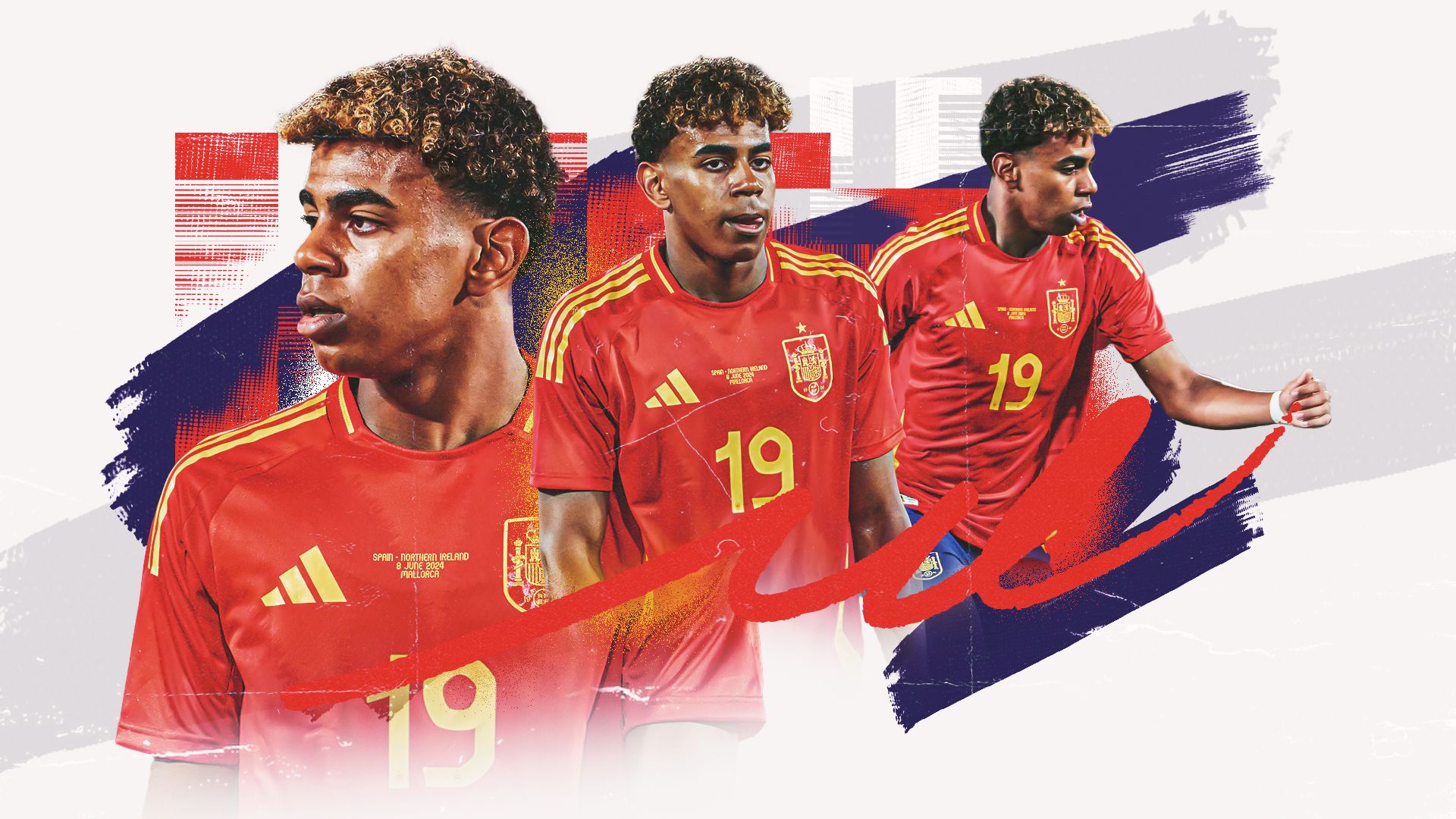
Spain’s Tactical Puzzle
If I were examining Spain’s tactical options, I would look toward balance rather than emotion.
Allow Nico Williams greater freedom to stretch Argentina’s defensive shape.
Use Rodri as the game’s controlling heartbeat, dictating rhythm and tempo from midfield.
Permit Lamine Yamal the freedom to drift across attacking areas rather than restricting him to predictable positions on the wing.
When Yamal roams, defenders face impossible decisions.
Do they follow him?
Or do they hold their shape?
That uncertainty creates opportunities.
Spain’s coaching staff understand this.
Yet even the finest tactical plan faces its greatest examination against an Argentina side that has repeatedly demonstrated remarkable resilience under pressure.
Argentina are exceptionally difficult to predict.
They defend collectively.
They suffer together.
They attack with intelligence rather than panic.
And when Messi is involved, football somehow finds another script.
Argentina Play Beyond Tactics
Trying to explain Argentina purely through formations or statistics often misses the point.
There is something almost intangible about this team.
They understand tournament football.
They know when to slow the tempo.
They know when to absorb pressure.
They know when to accelerate.
Above all, they believe.
That belief has become one of Argentina’s greatest weapons.
When Messi is on the field, confidence spreads throughout the team.
Opponents know one moment of brilliance can change everything.
That knowledge alone alters how they defend.
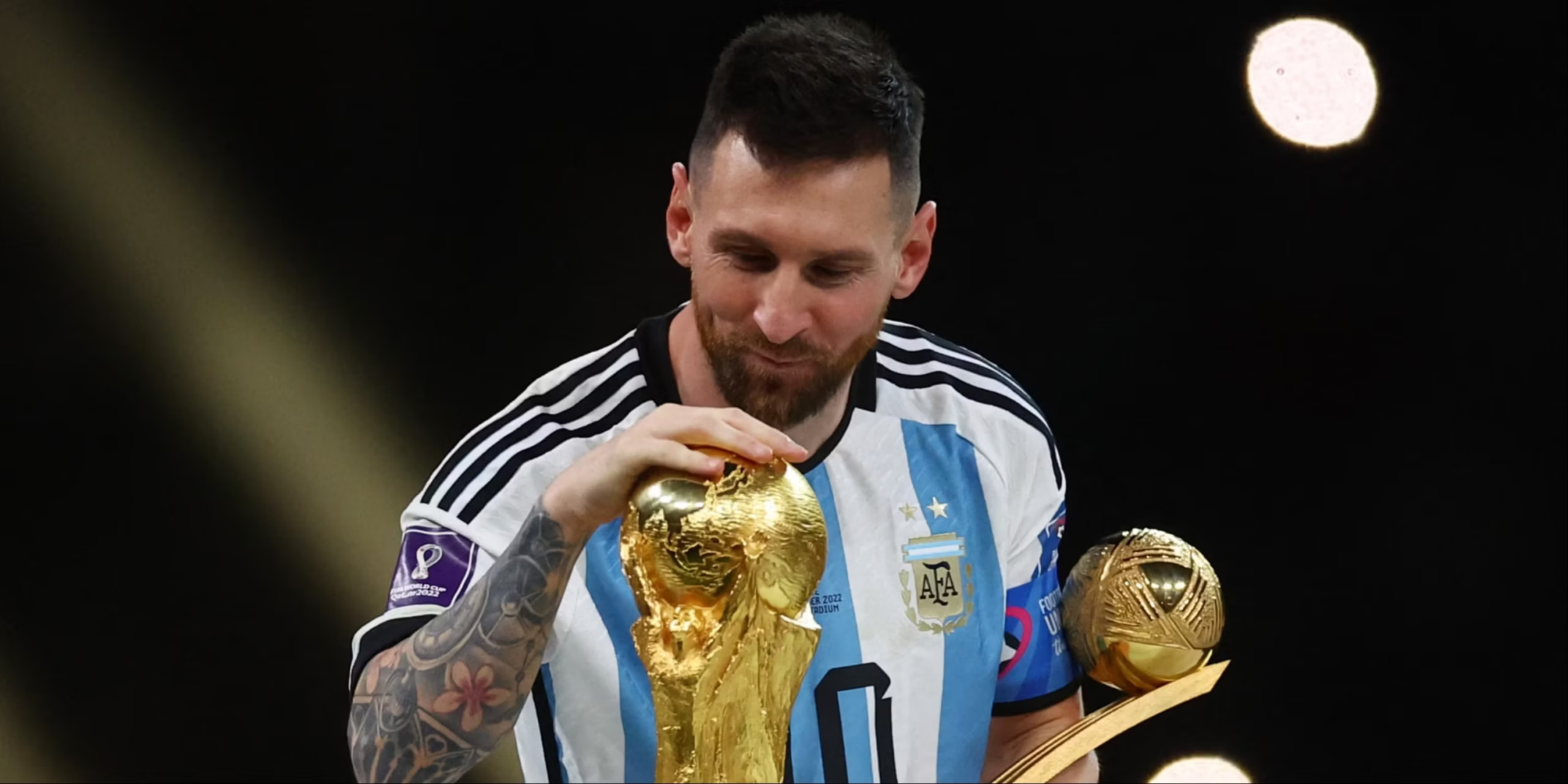
A Valedictory Cup?
Should Argentina lift another World Cup with Messi leading them, football would witness one of its greatest farewells.
It would be the perfect valedictory chapter.
Not merely another trophy.
An immortal ending.
The kind that poets write about.
The kind future generations struggle to believe actually happened.
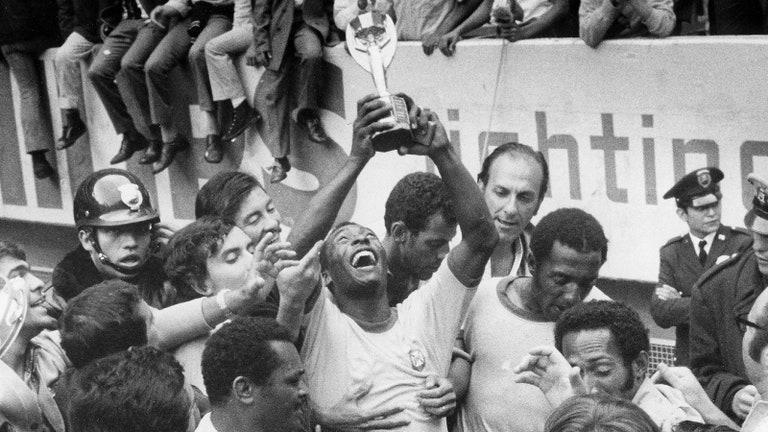
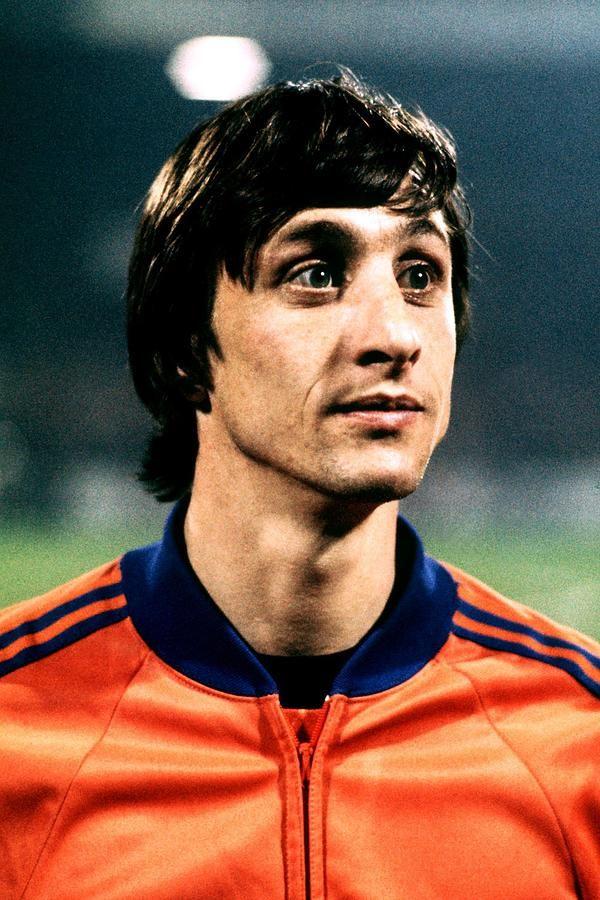
For those of us who grew up listening to stories of Pelé, Johan Cruyff, Franz Beckenbauer, Diego Maradona and countless other legends, Messi’s career has been almost impossible to comprehend.
Many in the older generation never imagined anyone could build a football résumé capable of standing comfortably beside Pelé.
Yet Messi has not merely entered that conversation.
He has redefined it.
His achievements now belong to football’s highest summit.
Every era produces extraordinary players.
Only a handful become timeless.
Messi belongs there.
The Debate Beyond Messi
Football never stops evolving.
If Lamine Yamal continues developing with discipline, humility and relentless dedication, another era may eventually arrive.
Perhaps one day football will genuinely debate whether Yamal has become the heir to Messi’s throne.
Kylian Mbappé remains one of football’s most devastating attacking players.
Erling Haaland continues rewriting scoring records.
Yet greatness is measured not only by club achievements.
International football remains the greatest examination of leadership, resilience and legacy.
Winning for one’s nation carries a unique emotional weight.
That is why World Cups define immortality.
Elsewhere, players like Michael Olise possess the technical ability to become the creative heartbeat of future international teams if they continue developing consistently.
England, too, possess remarkable talent.
Jude Bellingham, Bukayo Saka, Marcus Rashford and others have demonstrated enormous potential. If England can transform individual brilliance into collective consistency, they have every opportunity to challenge for future World Cups.
Talent has never been England’s greatest problem.
Converting expectation into trophies has.
Spain’s Model Deserves Recognition
One lesson the football world should acknowledge is Spain’s commitment to youth development.
Rather than waiting until players mature elsewhere, Spain has consistently integrated technically gifted youngsters into elite international football.
The federation has demonstrated patience.
They trust young players.
They allow them to grow within the national setup.
That long-term philosophy has helped sustain Spain’s competitiveness over multiple generations.
Success is rarely accidental.
It is usually the product of years of planning.

All Hail Lionel Messi
As this final approaches, one thought remains impossible to ignore.
All hail Lionel Messi.
Not because he is flawless.
Not because he never failed.
But because he transformed failure into greatness.
Because he carried expectation unlike any footballer before him.
Because he inspired millions across continents.
Because he reminded the world that genius and humility can coexist.
I count myself fortunate.
Years ago, during the FIFA World Youth Championship in Canada—where Messi announced himself to the world by winning both the Golden Ball as the tournament’s best player and the Golden Shoe as its leading scorer, helping Argentina defeat Nigeria in the final—I had the privilege of meeting him.
As a young journalist and lifelong football enthusiast, I shook his hand and congratulated him on his remarkable achievement.
At the time, none of us could fully imagine what the future would hold.
Today, looking back, that brief encounter feels like shaking hands with history before history realized how extraordinary it would become.
Whether this final becomes Messi’s last dance or another glorious chapter in an already incomparable career, one truth seems undeniable.
Football has been fortunate to witness Lionel Messi.
And generations yet unborn will speak his name long after the final whistle of this World Cup has faded into history.
