

NAIROBI, KENYA — In an unprecedented show of African unity, leadership, and resolve, the East African Community (EAC) and the Southern African Development Community (SADC) have reaffirmed their unwavering commitment to ending the cycles of violence, displacement, and humanitarian crises that have plagued the eastern region of the Democratic Republic of the Congo (DRC) for decades. In a landmark gathering held at State House Nairobi, the Heads of State of both regional blocs appointed five high-level facilitators, signaling a new era of coordinated diplomacy, conflict resolution, and continental solidarity.
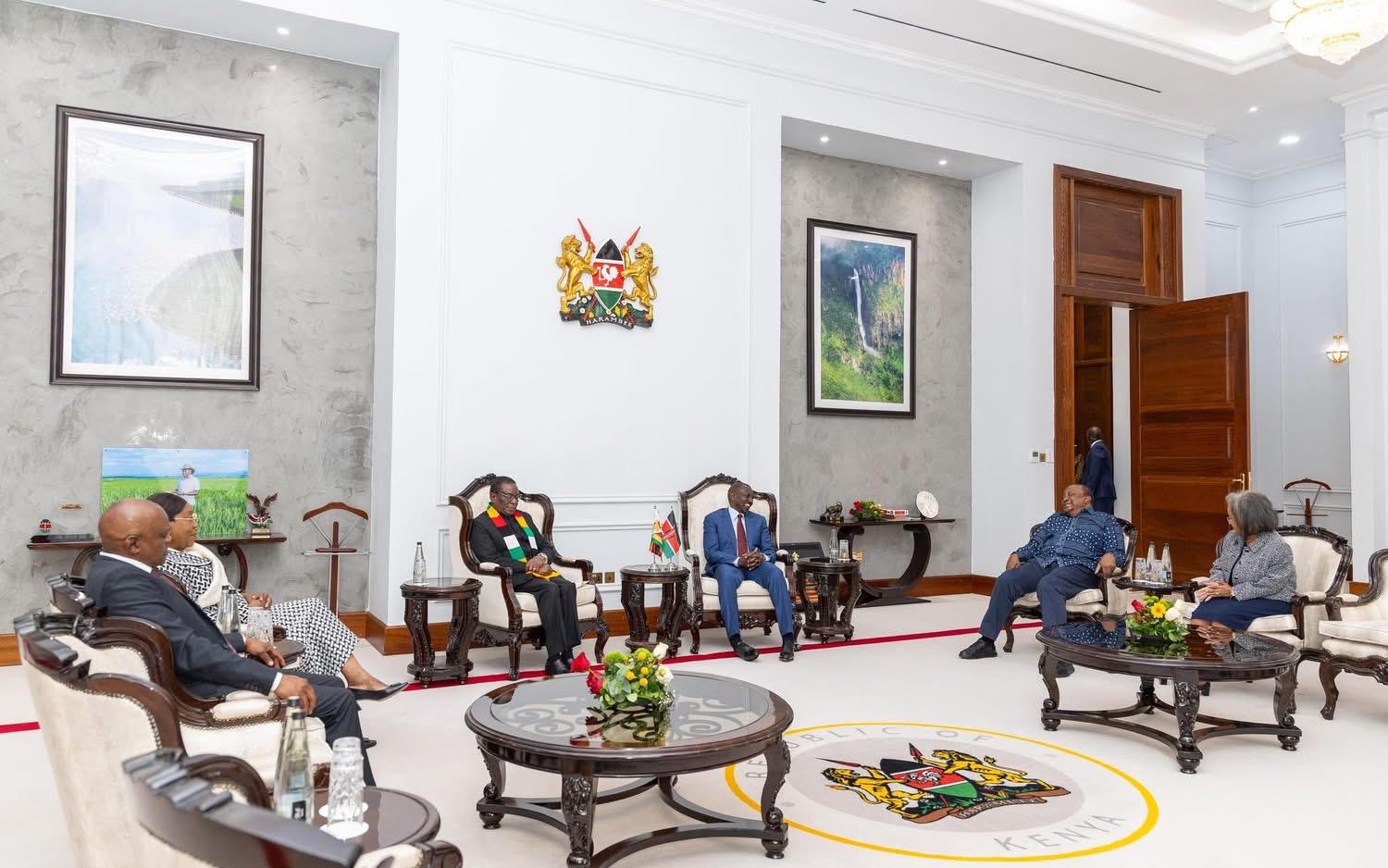 The joint mission was co-chaired by President Emmerson Mnangagwa of Zimbabwe, whose leadership role in this initiative reflects growing continental momentum for homegrown solutions to African conflicts. This high-stakes meeting was convened to review progress, reassess ongoing peacebuilding mechanisms, and chart a sustainable path forward for long-term peace and development in Eastern DRC — one of the most volatile regions on the continent, where mineral wealth and ethnic complexity have too often fueled protracted conflict.
A Coalition of Giants for Peace
Present at the summit were some of Africa’s most respected elder statespersons and diplomats, whose wealth of experience and moral authority underscore the seriousness of the task at hand:
• Mahamoud Ali Youssouf, Chairperson of the African Union Commission, brought institutional support and a pan-African vision to the discussion.
• Former President Uhuru Kenyatta of Kenya, who has continued his peacebuilding work post-presidency, reaffirmed the importance of regional diplomacy and community-level reconciliation.
• Catherine Samba-Panza, former transitional President of the Central African Republic, contributed critical insights into the fragile balance between peace agreements and societal healing.
• Sahle-Work Zewde, former President of Ethiopia and one of Africa’s most prominent female leaders, emphasized inclusive peacebuilding that addresses the voices of women, youth, and marginalized communities.
• Mokgweetsi Eric Kabetswe Masisi, President of Botswana, offered a stabilizing influence from Southern Africa and a reminder of the continent’s shared responsibility.
• Former Nigerian President Olusegun Obasanjo, a seasoned statesman and conflict negotiator, joined virtually, providing a strategic continental overview.
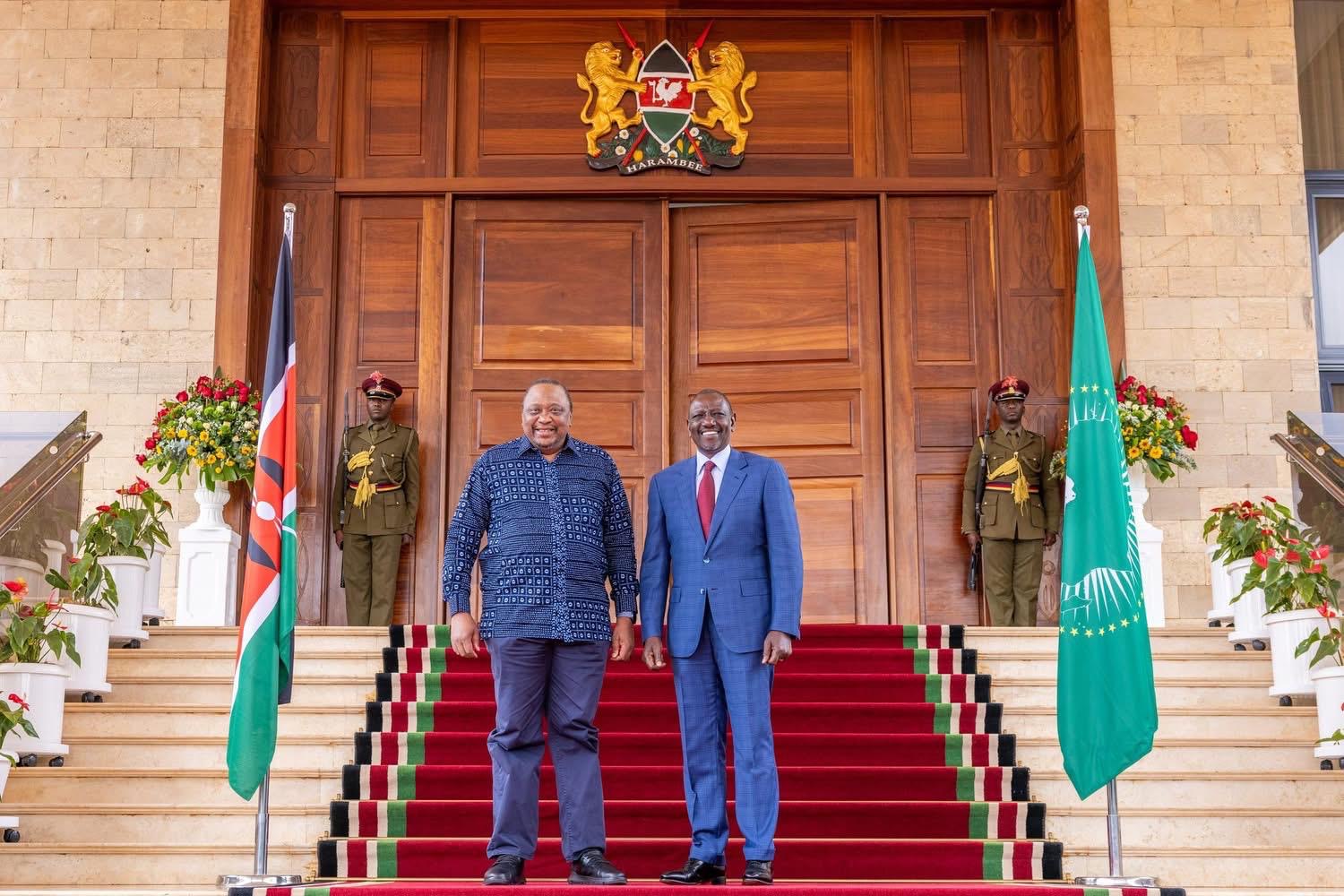 Together, these dignitaries form a powerful bloc of facilitators, blending wisdom, regional influence, and multilateral authority to ensure that peace in the DRC is not only brokered—but nurtured, monitored, and made resilient.
Why Eastern DRC Matters
The Eastern DRC has long been a theater of instability, where state fragility, armed group proliferation, and foreign interests intersect. The region holds some of the richest deposits of coltan, gold, cobalt, and other minerals, making it a geopolitical prize and a humanitarian nightmare. Over six million people have died as a result of conflict, famine, or displacement over the past two decades, with millions more internally displaced or living as refugees in neighboring countries.
Humanitarian organizations have struggled to keep up with the needs, and regional military operations — though at times effective — have not yielded lasting results. The new diplomatic push signals a shift from reactive military engagements to proactive political dialogue, local empowerment, and long-term institutional reform.
The Road Ahead: A Pan-African Peace Framework
In Nairobi, the facilitators discussed the implementation of ceasefire mechanisms, disarmament of militia groups, safe return of refugees, and economic reintegration of ex-combatants. A particular focus was placed on community-based reconciliation, transitional justice, and cross-border cooperation, especially involving Rwanda, Uganda, Burundi, and South Sudan — all of which are deeply entwined in the DRC’s internal struggles.
President Mnangagwa stated, “We are not here to impose solutions from above. We are here to listen, to guide, and to stand with the Congolese people in their quest for peace, dignity, and national renewal.”
The African Union (AU) has promised to mobilize resources for a Joint Peace Fund, while the United Nations has pledged technical support for peacekeeping transitions and civilian protection. But the message from this meeting was clear: Africa must lead, own, and deliver its peace.
A Message of Hope to the Congolese People
The facilitators closed the Nairobi summit with a joint communiqué pledging their united commitment to ending bloodshed, restoring state legitimacy, and protecting vulnerable communities in Eastern Congo. They called on all stakeholders — including armed factions, civil society, faith-based organizations, and the Congolese diaspora — to engage constructively in the process.
The symbolism of this meeting cannot be overstated. In an age where global powers often seek to instrumentalize African crises, this continental initiative sends a powerful message: African solutions to African problems are not only possible, they are necessary.
The gathering in Nairobi is a signal of hope — a testimony to African leadership, dignity, and determination. As the world watches, the people of Congo are being reminded: you are not alone. Your pain is our pain. Your peace will be our peace.
About the Author:
Jide Adesina is the editor-in -Chief/President of 1stAfrika.com, Author and reporting on African geopolitics, conflict resolution, and economic diplomacy. He believes that the future of Africa lies in its unity, shared vision, and bold leadership.
Share your thoughts | #AfricaForPeace #DRCUnity #1stAfrikaPeace
📍Follow us on [Twitter/X] | [Facebook] | [LinkedIn] | [Instagram]
📧 Contact us: editor@1stafrika.com |
