

An Air Transat Airbus A321 carrying passengers encountered unexpected wake turbulence generated by an Ethiopian Airlines A350. The incident occurred shortly after takeoff, and though both aircraft had departed safely, the encounter led to two flight attendants sustaining minor injuries.
Reports suggest that the A350 departed considerably ahead of the A321. As it climbed, it left behind powerful vortices—typical of wake turbulence—that the following aircraft inadvertently crossed into. The A321 experienced a sudden, sharp rolling motion before stabilizing. While no major technical maneuvers were required, the turbulence was sufficient to jostle crew members who were then attended to by medical personnel once the plane landed safely.
Wake turbulence is a known aerodynamic phenomenon produced by all aircraft during flight. It forms as counter-rotating air vortices trailing from wing tips and is especially strong when the preceding aircraft is large, heavy, and traveling slowly—conditions that apply to climbing wide-body jets like the A350. These vortices can persist for some time, particularly in calm atmospheric conditions, posing a hazard to smaller or closely following aircraft.
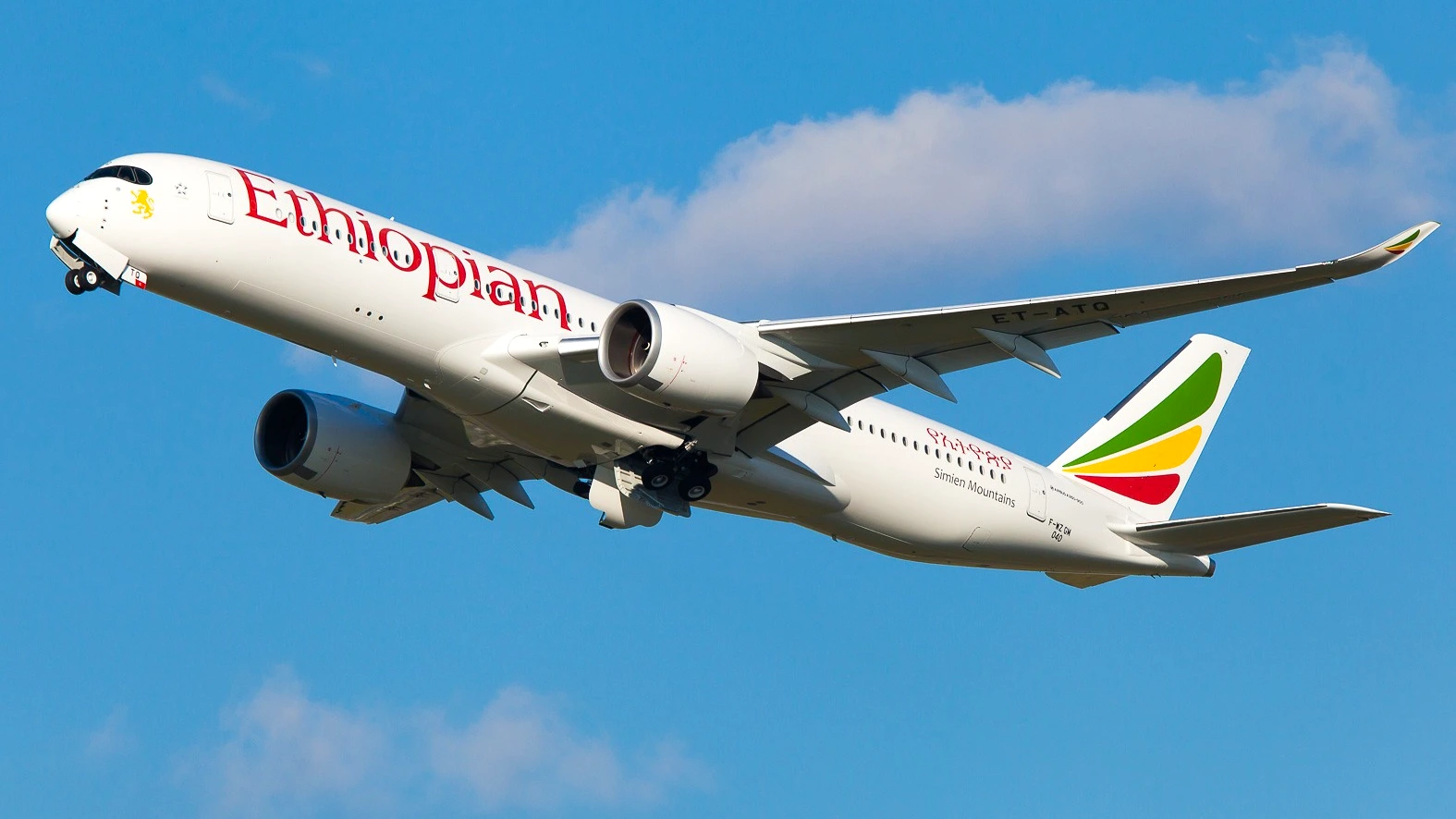 To prevent encounters like this, air traffic control enforces wake separation procedures. For example, standard practice requires a minimum time or distance between a heavy or super-heavy aircraft, like an A350 or A380, and the next departing aircraft. Pilots are also trained to avoid flying too close behind or below larger jets.
This incident underscores the importance of strict adherence to wake turbulence protocols. Although wake encounters are relatively rare and typically well-managed, they highlight the need for vigilance in busy terminal areas and during climb-out phases—especially when aircraft of vastly different sizes operate on similar flight paths.
