

Russia has patented a new widebody aircraft design that aims to compete directly with the Boeing 787 Dreamliner, signaling Moscow’s renewed ambitions in the global aviation market. The move comes as Russia seeks to reduce reliance on Western aerospace technology and position its domestic industry as a viable alternative in the long-haul passenger jet sector.
The patent, recently filed with Russia’s intellectual property authority, describes a next-generation widebody plane with improved aerodynamics, fuel efficiency, and passenger comfort. Aviation experts say the aircraft is intended to serve as Russia’s answer to modern widebody jets such as the Boeing 787 Dreamliner and Airbus A350, which currently dominate the long-haul market.
The design is expected to incorporate lightweight composite materials, advanced engines, and enhanced cabin features, including wider seating and quieter operations. While the patent itself does not guarantee production, industry observers believe the project could evolve into a flagship model for Russia’s aviation industry, especially as sanctions limit access to Western aircraft and spare parts.
Russia has been working to strengthen its aircraft manufacturing capabilities through state-backed initiatives, with projects like the Irkut MC-21 narrowbody jet already in development. The new widebody design is being viewed as a bold step toward reclaiming a stake in the international market, despite ongoing economic challenges and geopolitical isolation.
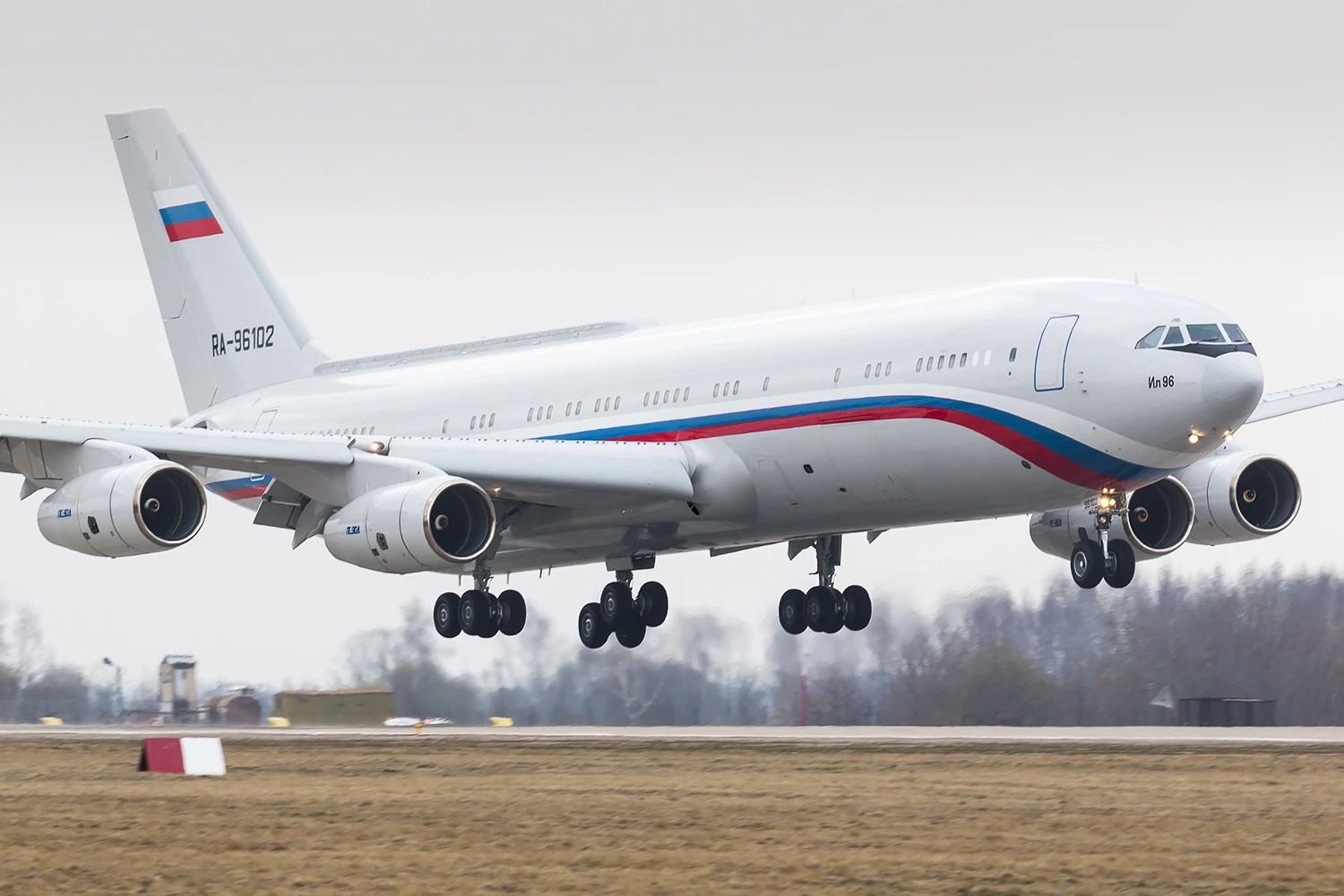 Analysts caution that bringing such an aircraft from patent to production will require massive investment, cutting-edge technology, and international certification – hurdles that may prove difficult given current restrictions on Russia’s aviation sector. Nonetheless, the patent underscores the country’s determination to chart its own course and reduce dependence on Western aerospace giants.
If successful, the aircraft could open new opportunities for Russia to offer airlines an alternative to Boeing and Airbus, though industry experts remain skeptical about the global competitiveness of the project without international partnerships and access to global supply chains.
