

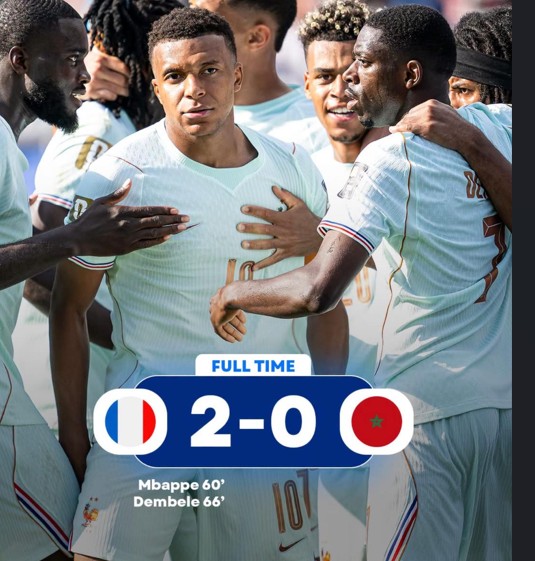
 France vs Morocco Feels More Like a Reunion Than a Rivalry
Watching this game feels almost like France playing France. Technically it’s Morocco against France, but the familiarity between both squads is impossible to ignore. Many of the players have grown up in the same football system, played together at club level, or have known each other for years. That shared history takes a little of the edge off the contest.
Morocco has a unique identity. Many Moroccans proudly identify as Arab first, even though Morocco is geographically part of Africa. Africans generally embrace Morocco as one of the continent’s representatives regardless of those identity debates. As a Nigerian of Cameroonian descent living in France, I’m simply enjoying the football without taking sides.
May the better team win.
So far it’s still 0-0, and if I’m being honest, the match hasn’t really come alive. There’s been no real spectacle, no electric atmosphere, and none of the intensity you expect from a major international showdown. It almost feels like a high-quality friendly rather than a fiercely contested competitive match. Perhaps it’s because so many of the players know each other so well, respect one another, and even share friendships off the pitch.
For now, it’s an okay game—but hopefully the second half brings the excitement everyone is waiting for.
France defeated Morocco with two goals in a match that carried the weight of history, identity, and continental pride. It was a victory built less on drama and more on control, tactical discipline, and the quiet authority of a team that understands how to win at the highest level.
The game was not the explosive spectacle many expected from such a historic encounter. Instead, it unfolded as a cautious chess match between two teams that knew each other too well. The respect between the players was visible from the opening whistle. Many of them have shared dressing rooms in European clubs, grown through the same football academies, and built friendships beyond the pitch. It felt less like a battle between strangers and more like a reunion between familiar rivals who understood each other’s strengths and weaknesses.
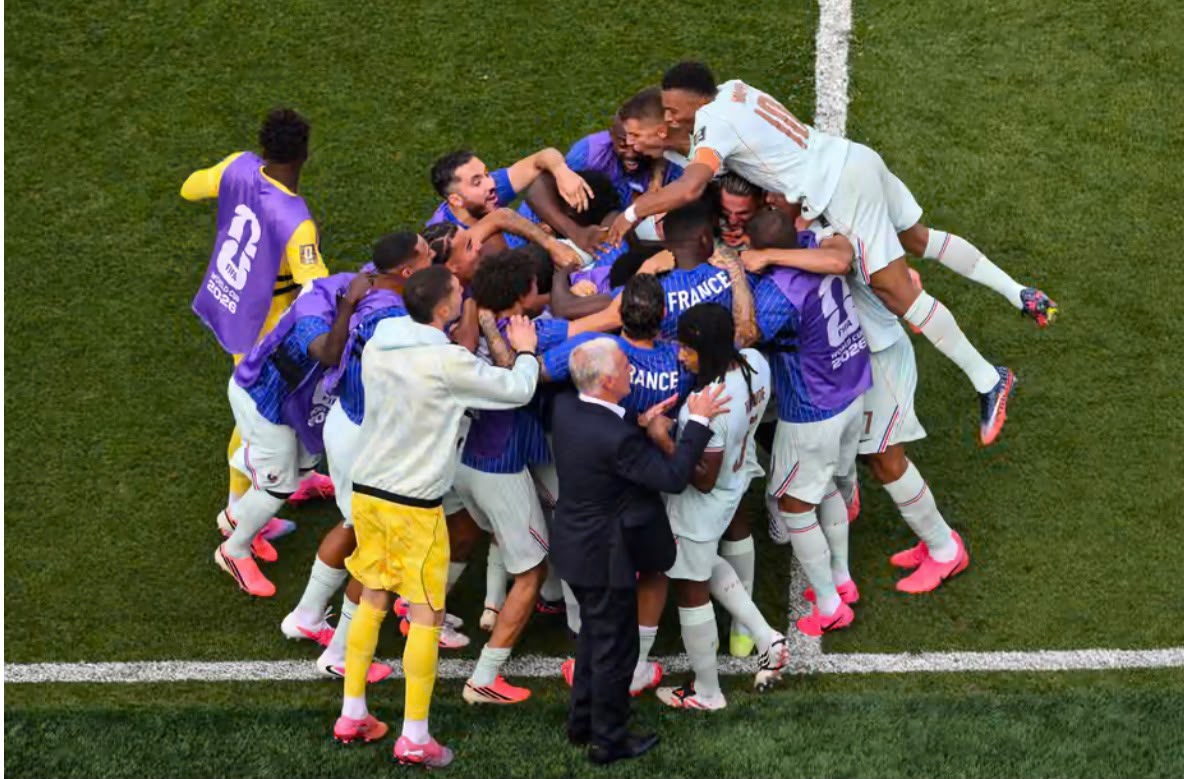
France, however, demonstrated why they remain one of the most complete football nations in the world. Their superiority came through composure, structure, and experience. They controlled the rhythm of the match, managed the pressure moments, and showed the difference between a talented team and a championship-caliber team. Morocco fought with determination and organization, but France’s depth, technical quality, and ability to execute under pressure ultimately separated the two sides.
Morocco leaves the tournament with pride, having created one of the most memorable campaigns in recent World Cup history. Their journey was impressive, and they represented a strong football culture that has invested heavily in development, discipline, and international competition. Reaching this stage was not an accident; it was the result of years of preparation and a generation of talented players.
However, the debate about Morocco’s identity within African football remains complicated. Many African football supporters have often questioned Morocco’s relationship with the continent because of statements from some Moroccan public figures emphasizing Arab identity over African identity. Yet geographically, historically, and through football competition, Morocco has always been part of Africa’s football story. The continent celebrates every African team’s success, even when questions of identity and belonging arise.
Looking at the tournament record, Morocco’s achievement deserves recognition, but it also reflects the competitive nature of African football. Senegal proved their strength by defeating Morocco convincingly, while Nigeria’s elimination came after a penalty shootout rather than a clear defeat in open play. Cape Verde also showed remarkable quality, and several other African teams displayed performances that challenged expectations. The continent’s football level continues to rise, with many teams demonstrating that Africa is no longer merely participating on the world stage but competing with ambition.
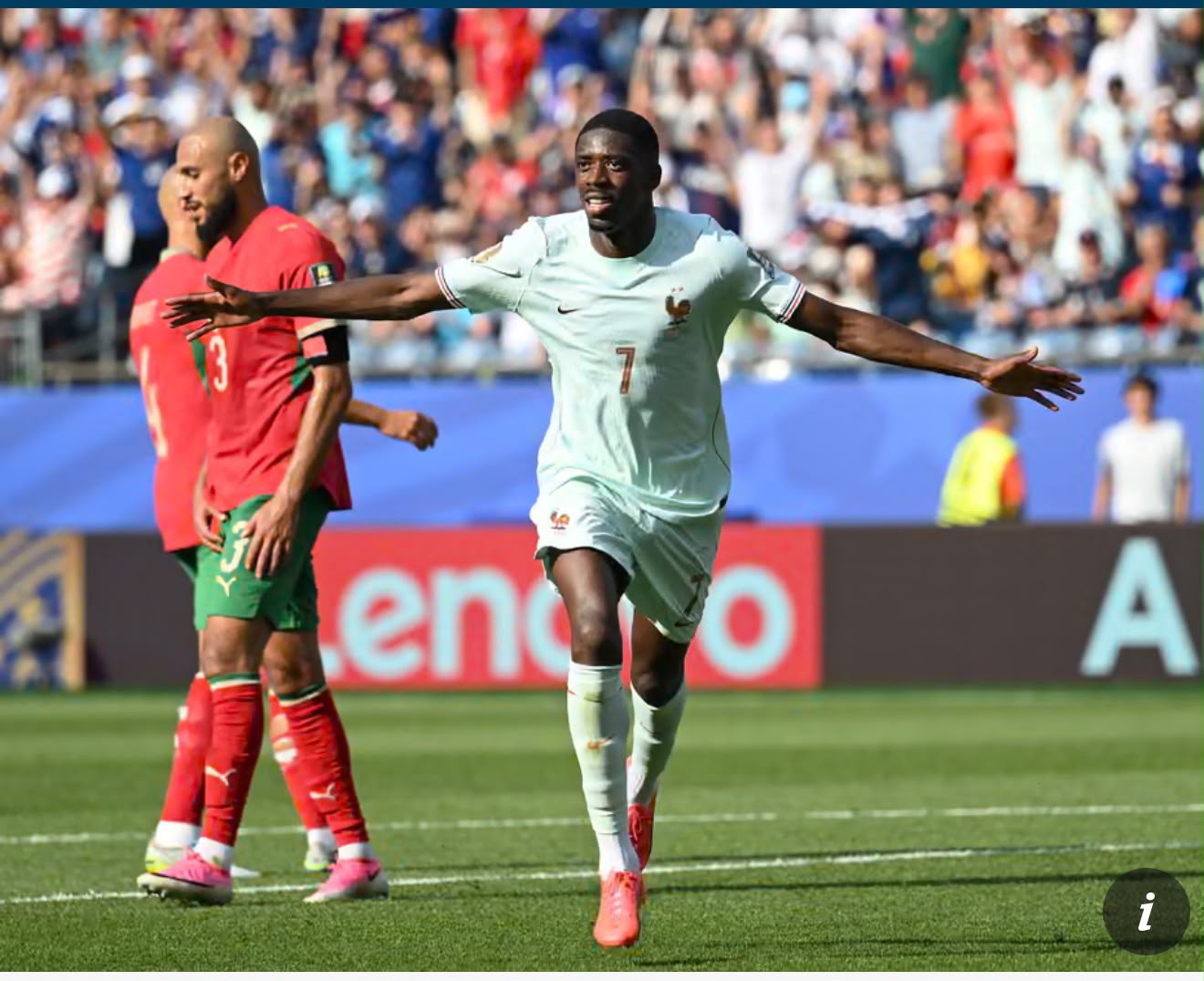
With Morocco now eliminated, the last African representatives have exited the World Cup. The dream of seeing an African nation lift the trophy remains alive for another tournament cycle. Still, this edition has been a positive chapter for African football. Many teams performed above expectations, showed tactical maturity, and proved that the gap between Africa and the traditional football powers continues to narrow.
The world now waits another four years to see whether an African nation can finally break the barrier and become world champions. Nigeria, with its football history, enormous talent pool, and passionate supporters, remains one of the countries capable of carrying that dream. With proper planning, stronger football administration, and the careful development of players like Victor Osimhen and other emerging talents across Europe, Nigeria has the quality and potential to challenge for the highest prize in world football.
Cameroon also remains part of that conversation. The Indomitable Lions have a legendary history, including being the first African team to reach a World Cup quarterfinal. With the right structure, investment, and leadership, both Nigeria and Cameroon have the football heritage and talent to inspire another African football revolution.
France moves forward as a reminder of what consistency, preparation, and elite development can achieve. Morocco leaves with honor. Africa leaves with lessons, confidence, and renewed belief.
The World Cup crown has not yet come to Africa—but the continent is getting closer.
By Jide Adesina | 1stafrika.com
