

Nigeria’s absence from the 2026 FIFA World Cup will remain one of the greatest disappointments in the nation’s football history. Yet, in one of football’s greatest ironies, Nigerian bloodlines continue to leave their fingerprints across the tournament.
From the group stage through the knockout rounds, players of Nigerian descent have emerged as some of the competition’s standout performers. Whether representing France, Germany, the United States, England, the Netherlands, Switzerland or other nations, their names repeatedly appear on the scoresheet, the assist chart, and the list of players to watch.
This should serve as both a source of pride and a painful reminder of what Nigerian football continues to lose.
The Nigerian Football Federation (NFF) must study the Moroccan model with seriousness. Morocco did not become a global football power by accident. It invested in youth development, built modern football structures, maintained a clear scouting network, embraced its diaspora, and created an environment where talented young players believed in representing their ancestral homeland.
Nigeria possesses an even larger football talent pool across Europe, North America, and beyond. The challenge has never been a lack of gifted footballers. The challenge has always been administration.
For years, stories have surfaced of corruption, favouritism, poor planning, and allegations that some young players or their families were expected to make unofficial payments before opportunities were offered. Whether real or perceived, such stories damage confidence and push many dual-nationality players to commit their futures elsewhere.
That culture must end completely.
Selection into Nigeria’s national teams must be based on merit, character, form, and commitment—not influence, politics, or personal connections.
Despite failing to qualify for this World Cup, I remain convinced that Nigeria is still one of the few countries capable of winning the FIFA World Cup.
That statement may sound ambitious, but history supports it.
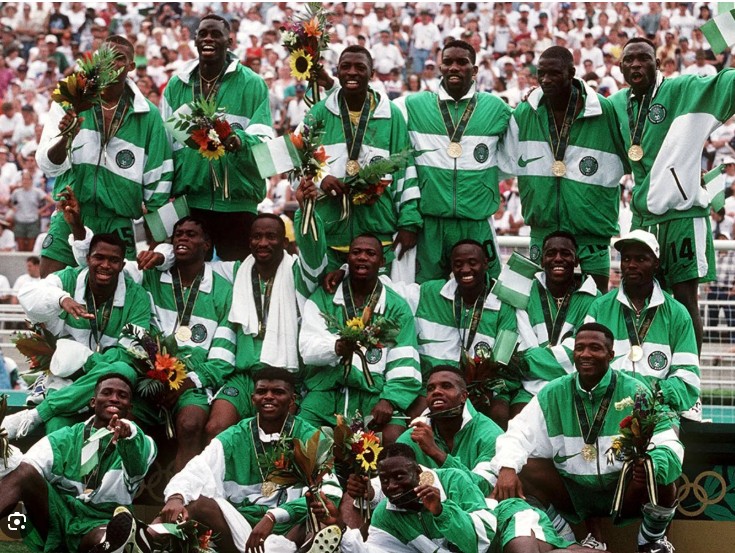
Nigeria has never respected football’s traditional hierarchy. The Super Eagles have defeated world champions, European champions, Olympic champions and some of the biggest football nations on earth. When Nigeria enters a major tournament fully prepared, united and free from distractions over salaries and bonuses, very few teams enjoy facing the Green and White.
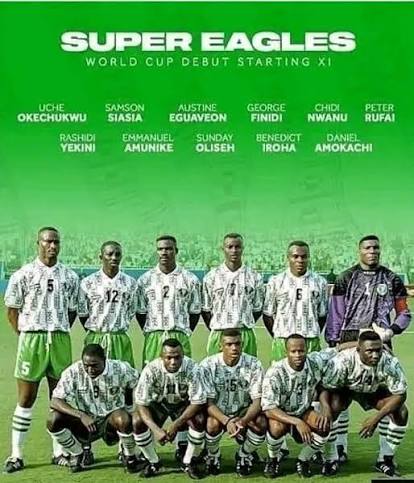
One only has to remember the unforgettable 1994 FIFA World Cup in the United States.
The Super Eagles, playing in their first-ever World Cup, captivated the football world with fearless attacking football. They came within minutes of eliminating Italy—who eventually reached the final—before Roberto Baggio inspired one of the tournament’s greatest comebacks. Nigeria eventually lost in extra time, but that defeat was born more from inexperience than from a lack of ability.
That team, guided by Clemens Westerhof, announced Nigeria as a genuine football power.
More than three decades later, the ingredients remain.
What Nigeria needs now is vision.
The NFF should appoint a genuinely world-class head coach with complete independence to make football decisions without interference. Around him should be assembled some of Nigeria’s finest former internationals who have grown into respected coaches and technical experts. Their experience, knowledge of Nigerian football culture, and understanding of modern tactics would provide invaluable support.
Equally important is rebuilding the domestic league.
A strong national team cannot exist without a healthy domestic football structure. Nigeria must invest heavily in its local clubs, coaching education, academies, sports science, facilities, and grassroots competitions. Scouts should be encouraged to identify outstanding talents across every region of the country and help place deserving players in competitive professional leagues abroad, where they can continue their development.
The pipeline between local football and European football must become stronger than ever.
Nigeria also needs a deliberate strategy for attracting its diaspora talent. Young footballers of Nigerian heritage should feel welcomed, respected and valued from an early age. They should never have to choose another country because Nigeria failed to organise itself.
The next generation is already here.
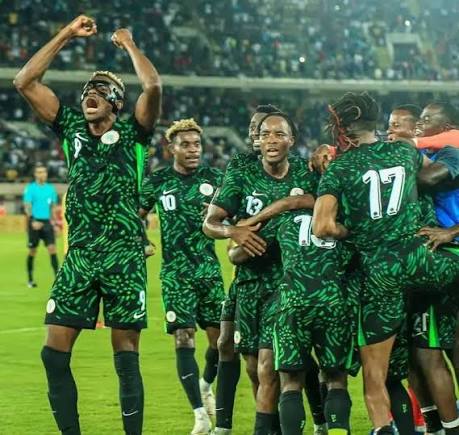
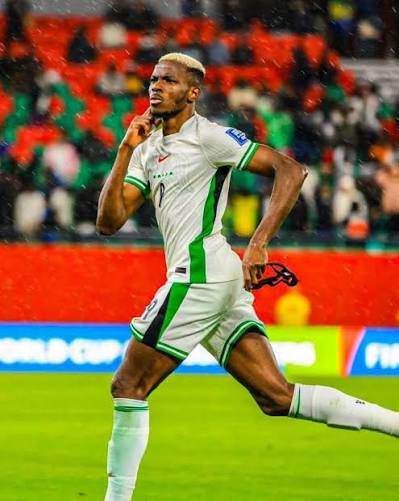
Going forward, the Super Eagles should be built around the leadership and goalscoring ability of Victor Osimhen, while Ademola Lookman must continue to evolve into one of the team’s creative leaders. Around them should emerge another generation capable of carrying Nigeria back to football’s biggest stage.
And history tells us that Nigeria has never lacked extraordinary footballers.
Another Austin Okocha will come.
Another Segun Odegbami will emerge.
Another Nwankwo Kanu will inspire millions.
Talent has never been Nigeria’s problem.
Leadership has.
 The rebuilding process should begin today—not after another failed qualification campaign.
If Nigeria can eliminate administrative interference, invest in grassroots football, strengthen the domestic league, embrace its diaspora, appoint elite technical leadership, and restore professionalism to the national team, the Super Eagles can once again become one of the world’s most feared sides.
Nigeria’s absence from the 2026 World Cup should not mark the end of a dream.
It should mark the beginning of a new one.
 And if that rebuilding starts now, the world may discover once again what African football truly looks like when the Super Eagles are flying at full strength.
By Jide Adesina | 1stafrika.com
