

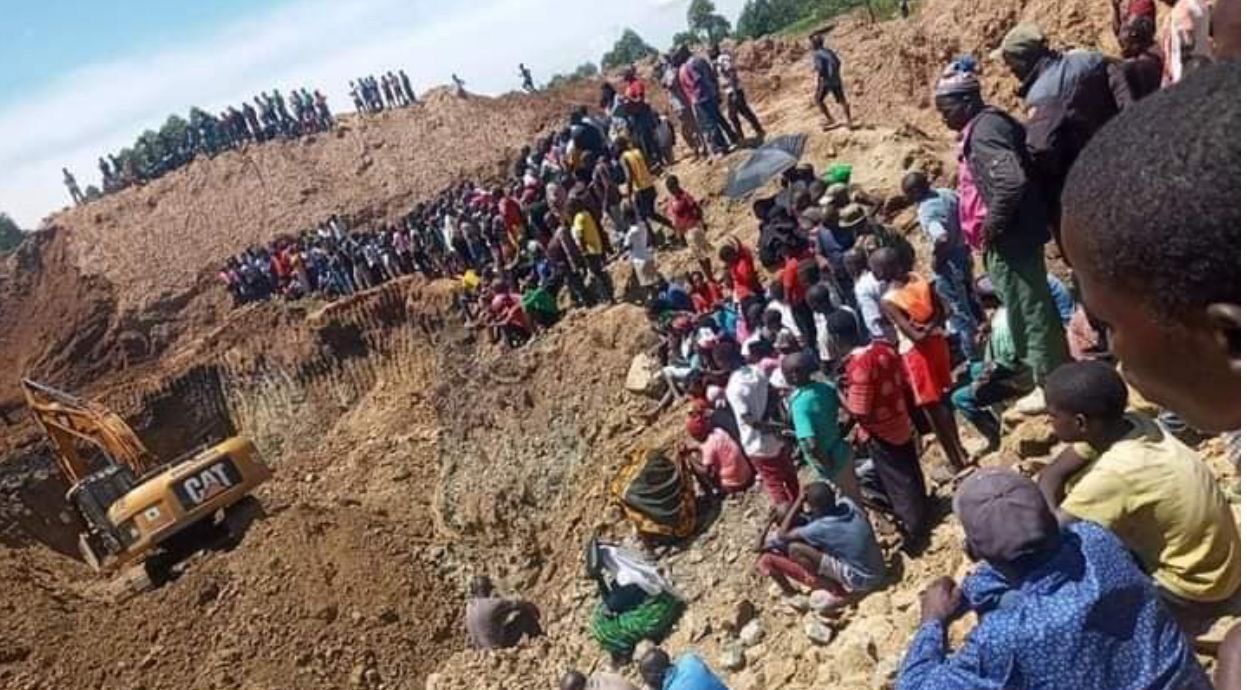
In a tragic incident underscoring the perilous conditions faced by artisanal miners in the Democratic Republic of Congo (DRC), a series of landslides triggered by heavy rains have buried an informal gold mining site in South Kivu province, leaving hundreds feared trapped beneath the rubble. The disaster, which struck the remote mining village of Lomera in the early hours of Sunday, has exposed the deadly intersection of environmental hazards, weak governance, and armed conflict in one of the world’s most mineral-rich and volatile regions.
A Desperate Rescue Effort Amid Chaos
Local authorities and volunteers have been working tirelessly, often with nothing more than their bare hands and rudimentary tools, to dig through the debris in search of survivors. So far, at least six miners have been pulled out alive, one of them critically injured, while conflicting reports swirl about the number of fatalities. Some residents claim 12 bodies have been recovered, but official confirmation remains elusive due to the chaotic nature of the site and the lack of organized emergency response .
The mine, located in an area controlled by the Rwandan-backed M23 rebel group, was part of a sprawling network of unregulated shafts and tunnels that emerged after gold was discovered in the region late last year. The sudden influx of freelance miners transformed Lomera from a quiet village into a hazardous labyrinth of makeshift pits and shelters, with little regard for structural stability or safety protocols. According to Médecins Sans Frontières (MSF), the area had already been grappling with a cholera outbreak due to the unsanitary living conditions before the landslides struck .
A Recurring Tragedy in Congo’s Mining Heartland
This is not the first such disaster in eastern DRC. Just three months ago, in April 2025, at least 10 miners were killed in a similar collapse at the Luhihi gold mine, also in South Kivu. Rebel-appointed governor Douglas Dunia Masumbuko blamed “uncontrolled construction” and poor maintenance for that incident, but no meaningful regulatory changes followed . The region has long been a hotspot for deadly mining accidents, with artisanal miners—often working under the watch of armed groups—facing constant danger from cave-ins, flooding, and toxic gas exposure.
 The M23, which has seized large swaths of eastern Congo since early 2024, has imposed a heavy tax on mining activities, further exacerbating the risks. The group denies reports of hundreds trapped in the latest collapse, but its presence complicates rescue efforts, as it restricts access for government agencies and international aid organizations .
Why Informal Mining Thrives—and Why It’s So Deadly
Eastern DRC’s mineral wealth—gold, coltan, cobalt, and more—has fueled decades of conflict, with armed groups and foreign-backed militias vying for control of lucrative mining zones. Artisanal mining, though perilous, provides a lifeline for millions of Congolese who have few other economic opportunities. An estimated 2 million people work in informal mines across the country, producing metals essential for global electronics, yet laboring in conditions that claim over 1,000 lives annually .
The Lomera disaster highlights the near-total absence of safety oversight in these operations. Unlike industrial mines, which adhere to strict engineering and environmental standards, artisanal pits are often dug haphazardly, with no reinforcement or ventilation. Heavy rains, common in South Kivu, frequently trigger landslides that bury miners alive. Without proper equipment, rescue operations are slow and often futile.
A Ceasefire Offers Little Relief
The tragedy comes just days after the M23 and the Congolese government agreed to a ceasefire brokered by Qatar, raising hopes for a temporary reprieve in the region’s protracted conflict. However, the deal has done little to address the underlying issues driving both the violence and the mining hazards. With the rebels still in control of key mining territories, there is little incentive for them to enforce safety measures that could reduce their profits .
For now, the survivors and families of the missing are left to mourn and wonder how many more will die before meaningful change comes to Congo’s lawless mining sector. As one exhausted rescuer told the BBC, “We’ve been digging since Sunday night but have not recovered any bodies. We are exhausted” .
The Global Connection
The gold extracted from mines like Lomera often enters global supply chains, ending up in jewelry, electronics, and even financial markets. While multinational corporations and Western consumers benefit from these resources, the human cost remains largely invisible. Advocacy groups have long called for stricter due diligence to ensure minerals are sourced ethically, but enforcement remains weak, particularly in conflict zones where armed groups profit from the trade .
As the search for survivors continues, the Lomera disaster serves as yet another grim reminder of the urgent need for reform—not just in mining practices, but in the political and economic structures that perpetuate this cycle of exploitation and tragedy.
By: Jide Adesina
1stafrika.com
July, 2025
