

A garment factory in Lesotho, which has produced Trump-branded golf shirts, may have to soon shut down following the massive import taxes, or tariffs, imposed by the US government earlier this year.
The small, southern African kingdom was hit with “reciprocal” tariffs of 50% – a higher rate than any other country – when they were announced by US President Donald Trump in April.
Although they have since been put on hold, Trump says they will be reimposed this Friday, 1 August, along with other countries around the world, unless a separate deal is reached.
“We don’t know how we survive this one. We are going to die,” Aletta Seleso tells the BBC in a bleak voice standing outside Precious Garments, where the Trump golf shirts have been made.
The mother of one young child has worked there for almost a decade, also supporting her extended family on her monthly salary of $160 (£120).
Lesotho has become known as the “denim capital of Africa”. The country’s garment factories also produce jeans for iconic American brands such as Levi’s and Wrangler.
But the uncertainty over the future of the country’s clothes industry is one reason why Lesotho declared a national “state of disaster” earlier this month in order to speed up job-creation.
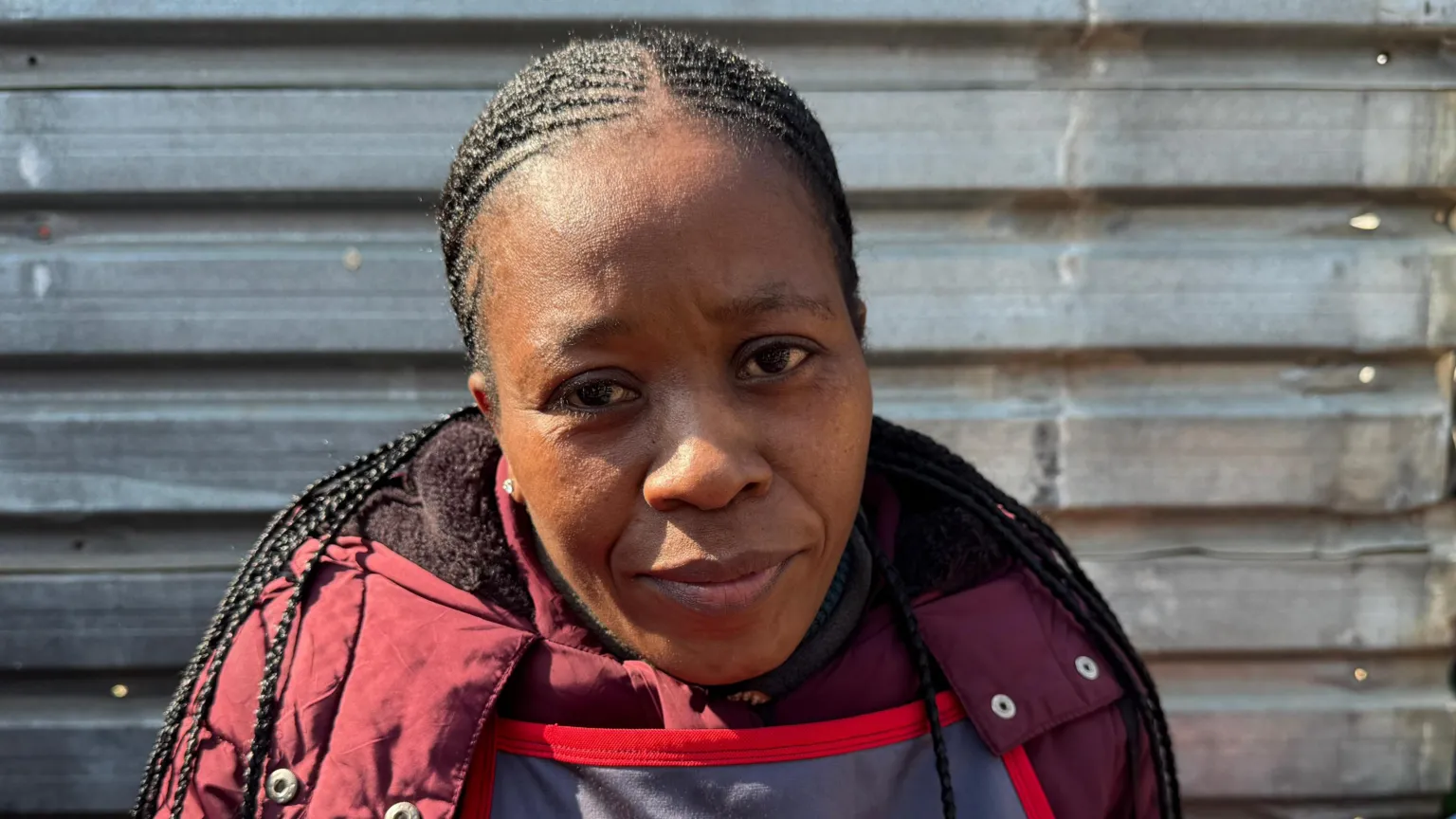 The BBC meets Ms Seleso during her lunch break just outside Precious Garments. She joins hundreds of workers streaming out of the factory with their lunch boxes in one hand and water bottles in the other as they try to find a spot in the weak sun of the southern hemisphere winter to enjoy their home-cooked meals.
Most workers, with blankets wrapped around their bodies, huddle in groups with their backs to the sun as they try to soak up a bit of warmth.
She has been working at the factory as an embroiderer for the past eight years and had little reason to worry about her job – until the US tariffs announcement in April.
She says workers have been told that the firm “can close any time from now”.
“They say it’s about a tariff,” she says.
In the meantime, Ms Seleso and her colleagues have been told to work for two weeks a month, meaning they get just half the pay.
She says it is now “so hard” for her to support her child, mother and her late younger sister’s two children, who are all under her care.
The BBC has approached Precious Garments for comment.
But Sam Mokhele, the secretary general of one the unions representing 150 workers at the firm, says the company had not “indicated any sign of shutting down” at the moment.
“But what they said was [they may have to] shut down if things do not change,” he says.
Ms Seleso is appealing to the government to engage with the US and try to find a viable solution to the tariff question.
Despite her desperate situation, she at least still has an income – but others are not so fortunate.
On the other side of town, in Maseru’s Thetsane industrial site, dozens of desperate job seekers gather outside another garment factory, CGM.
The factory, one half of the CGM Presitex Jeans Manufacturer, has closed but there have been rumours it may soon reopen.
The would-be workers stand in small groups, clutching water bottles, their only source of sustenance for the day, as they listen and hope they will be among the lucky few.
Among this group, mostly women, is Puleng Selane, who has been job-hunting since March.
Since 2018, the mother of three has worked as a security guard, along with a variety of other jobs.
The young woman now relies on the sale of medical face masks to support her family – which even on a good day only brings in enough money to buy maize meal and paraffin.
“Now life is so hard… we often eat once a day but sometimes go to bed without any food,” she says.
