

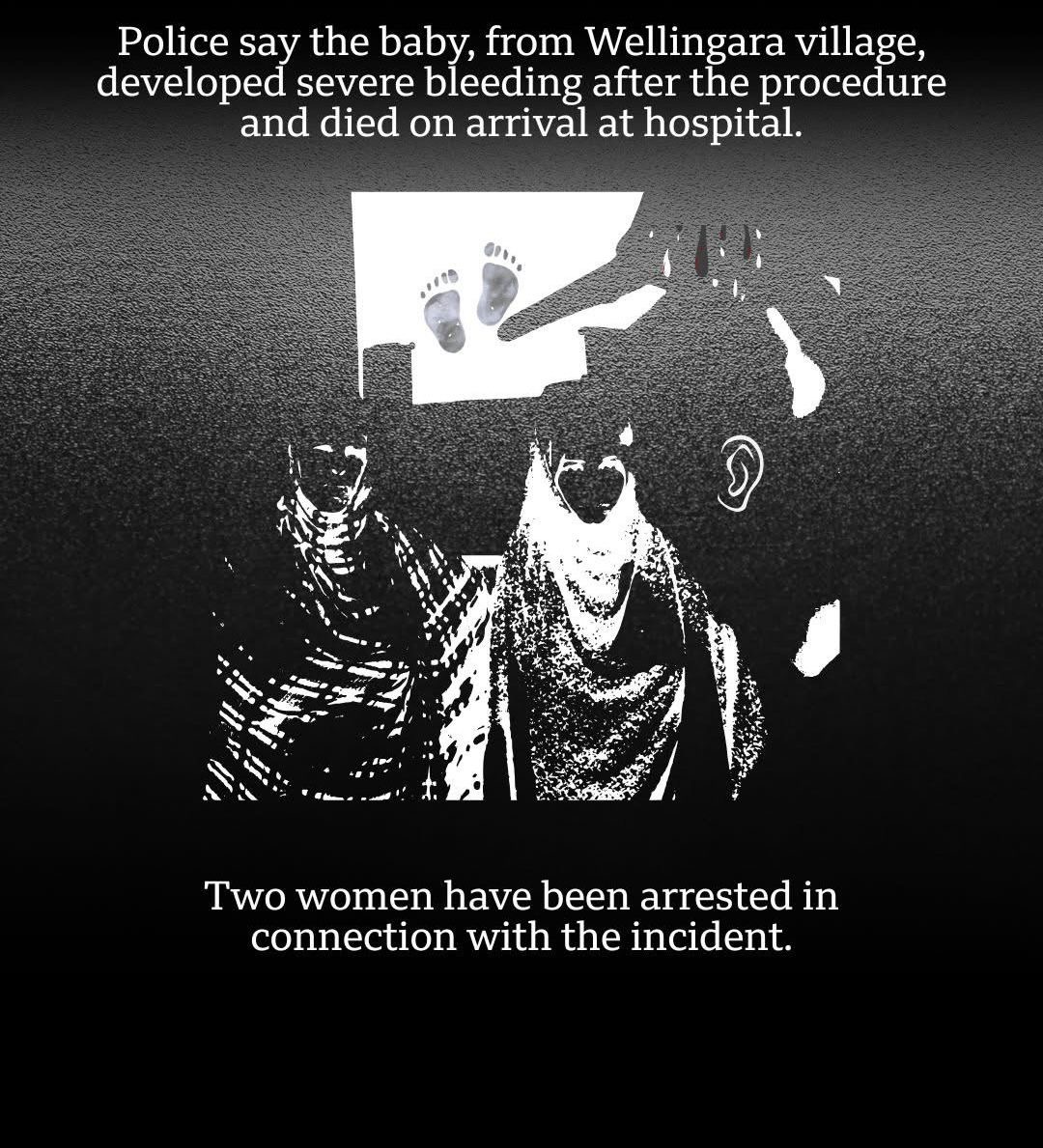
In the quiet village of Wellingara, a tragic and avoidable death occurred that should shock our collective conscience. A one-month-old baby girl, born into the tender light of life and trust, was subjected to female genital mutilation—FGM—a practice the law of The Gambia unequivocally forbids. Yet in that moment, the law was overshadowed by archaic custom. She bled heavily and, despite desperate efforts to rush her to the hospital, she arrived already gone. Now, two women stand arrested, their hands stained more by loss than justice.
This heartbreaking event follows a law passed a decade ago—the Women’s (Amendment) Act of 2015—which criminalizes FGM and carries steep penalties: up to three years in prison, heavy fines, and in the event of death, life imprisonment. This death, of an infant, triggers the harshest sanction the law allows  .
 Still, the practice persists. UNICEF reports that around 73 percent of Gambian women and girls aged 15 to 49 have undergone FGM, most before age six, and as many as 65 percent suffered it before their fifth birthday  . In rural regions like Basse, prevalence climbs as high as 97 percent; in densely populated Banjul, it’s closer to 47 percent—an indicator both of the geographic divide and of the societal challenge ahead . Across ethnic groups, too, the statistics reveal disparities: Mandinka communities report rates approaching full saturation at 96 to 100 percent, while Wolof communities report much lower, yet still significant, engagement .
Yet the law—though necessary—has been weakly enforced. From 2015 until recently, only two prosecutions had been brought; the first successful case came in August 2023, involving three women convicted for mutilating infants in towns of Kaur and Kuntaur  . In a disturbing act, influential religious figures intervened—paying fines to secure the release of those convicted, even calling for the repeal of the FGM ban  .
That push nearly succeeded. In early 2024, a lawmaker introduced a bill to repeal the ban, arguing it violated cultural and religious freedoms. The motion stirred fierce debate—marrying tradition with dogma, and dividing communities, families, and parliament itself   . Proponents defended FGM as rooted in religious practice; critics warned it would set a dangerous precedent, undermining regional commitments and the structural protection for women’s rights    .
Thankfully, in July 2024, a pivotal vote took place: 53 parliamentarians, 34 voted to uphold the ban, reaffirming the nation’s pledge to human rights and gender equality. The UN and its agencies hailed the decision as a “monumental achievement,” a critical win in protecting the health and dignity of women and girls in the country    .
Still, even as the law stands, tradition encroaches in shadows. In rural villages, activists whisper. Many women face reprisals for speaking out—hate messages, ostracism, threats of violence—forcing them to remain silent. The practice has become furtive, often crossing borders to avoid prosecution; regional legal asymmetries create avenues for clandestine continuation  . Globally, the UN notes that cross-border FGM significantly undermines eradication efforts, allowing hidden harm to persist .
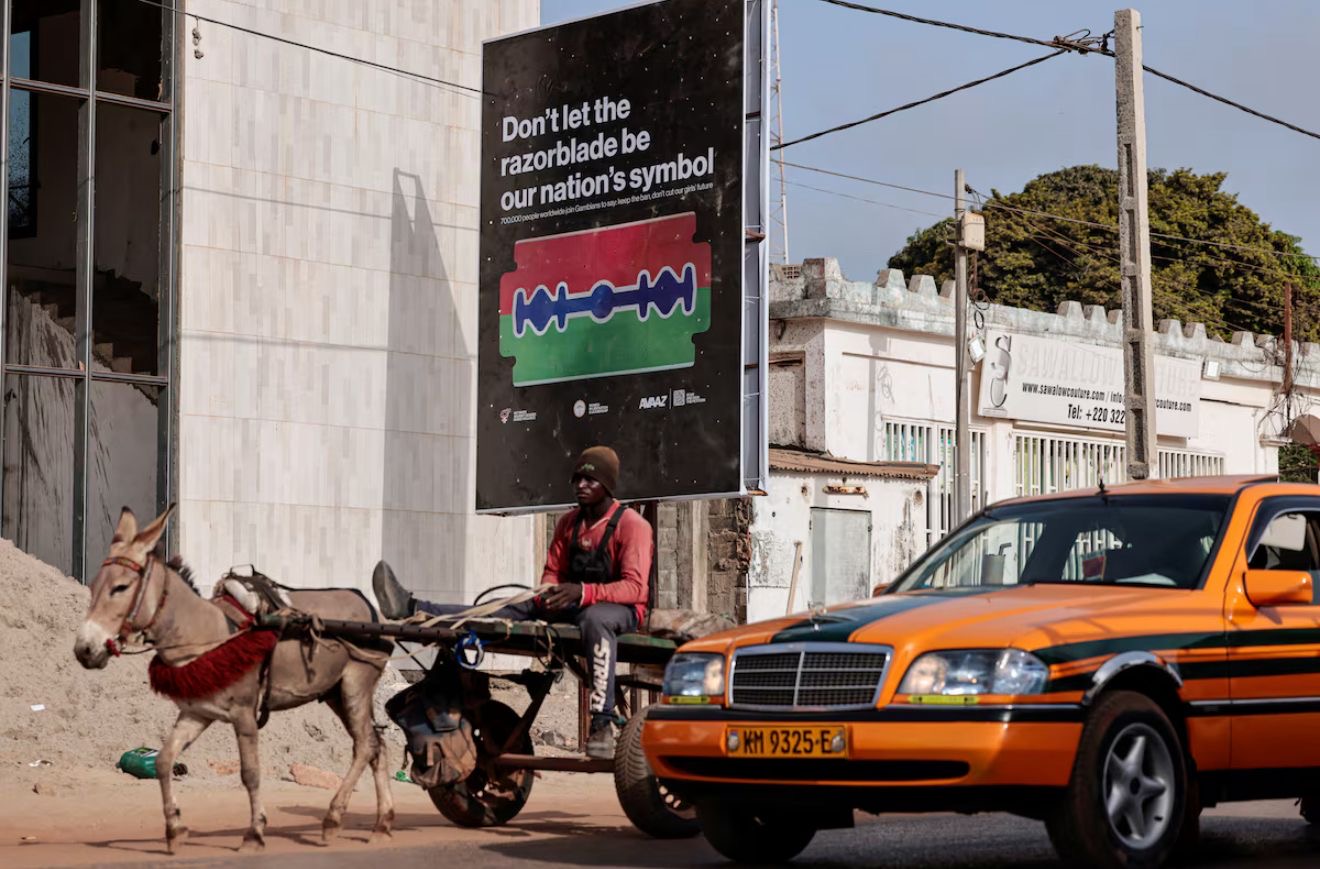 This tragedy—the loss of an infant life—is not merely a singular catastrophe: it is a piercing mirror reflecting systemic failure. It reveals the fragility of progress in face of deeply entrenched norms. It calls to expose rather than hide: to demand vigilance in enforcement, and to expand light into communities where fear still eclipses rights.
The legal framework is a crucial foundation, but law alone cannot end FGM. It must operate in tandem with education, outreach, and community-led transformation. Activists like Jaha Dukureh, survivor and global icon, continue to forefront this struggle through the organization Safe Hands for Girls, her advocacy rooted in the journey from personal harm to global covenant . Others, like poet-activist Fatou Baldeh, wield education, voices, and courage in equal measure, giving concreteness to healing, resistance, and hope .
For the child who died in Wellingara, justice and reform may come too late. But for the millions of girls still at risk in The Gambia, this moment could—and must—be a crucible. Let the law be enforced. Let families choose law over lore. Let community leaders hold up life not as tradition, but as the highest, most sacred inheritance.
