

 Nairobi, Kenya – August 12, 2025 – In a move that could redefine the trajectory of sustainable urban development in Africa, Oyo State Governor Seyi Makinde has entered into a landmark partnership with the United Nations Human Settlements Programme (UN-Habitat). The agreement, sealed today at UN-Habitat’s Nairobi headquarters, reflects a bold step by Nigeria’s southwest powerhouse toward harmonizing rapid urban expansion with climate resilience, economic inclusion, and community-centered planning.
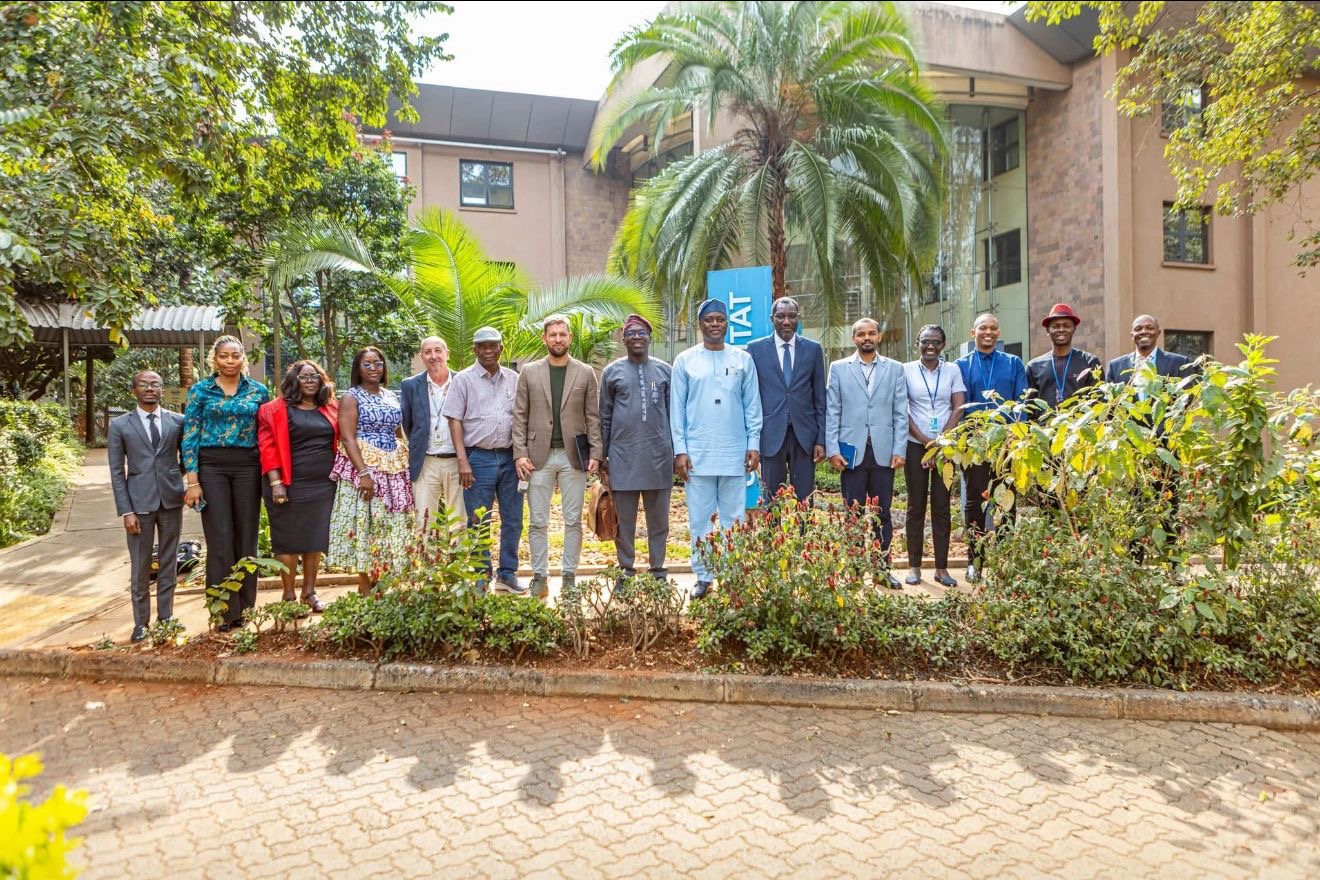 The meeting, held behind closed doors but closely watched by urban policy observers, brought together Governor Makinde and UN-Habitat’s newly appointed Executive Director, Anacláudia Marinheiro Centeno Rossbach — a global authority on urban policy, informal settlement transformation, and inclusive growth. Just hours into her tenure, Rossbach’s engagement with Oyo State signaled the UN’s commitment to deepening subnational partnerships that localize the Sustainable Development Goals, particularly SDG 11 on sustainable cities and communities.
At the heart of the talks was the integration of Oyo State’s New Towns and Cities Development Authority (NTCDA) with UN-Habitat’s flagship Inclusive Communities, Thriving Cities programme. The NTCDA, launched earlier this year, is designed to decongest Ibadan’s swelling metropolitan footprint while strategically creating satellite cities along agro-industrial corridors. This vision is not merely about constructing new infrastructure, but about embedding social equity, environmental safeguards, and economic viability into the DNA of urban growth.
Rossbach underscored the urgency of the mission, pointing to UN data projecting that 70 percent of Nigeria’s population will live in cities by 2050. “Urbanization is inevitable — but its quality is not,” she said. “What we see in Oyo State is the political will to make that transition just, climate-proof, and inclusive. This is where the UN’s role becomes catalytic: to bring global best practices, innovative financing models, and tested policy tools directly into the state’s planning process.”
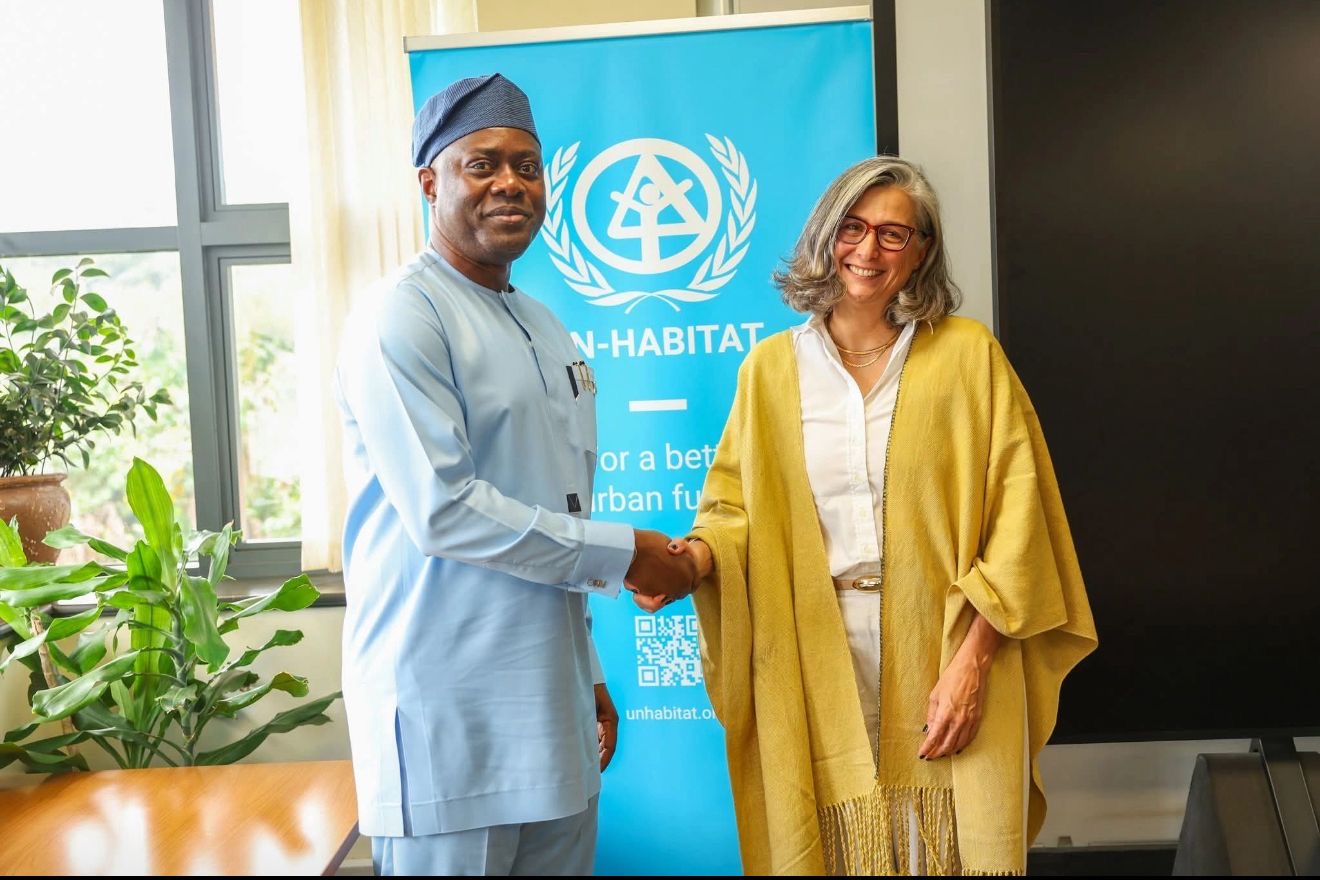 The collaboration will unfold across a set of mutually reinforcing interventions that go beyond conventional urban renewal projects. UN-Habitat’s technical teams will work alongside Oyo’s planners to craft Nigeria’s first subnational Urban Regeneration Act, giving the state a legal foundation to streamline land value capture and channel it toward public infrastructure. The existing digitization of land records through the Oyo State Geographic Information System (OYOGIS) — which has already mapped nearly half of Ibadan’s metropolitan land — will serve as the backbone for transparent land transactions and equitable development.
But the partnership’s vision reaches beyond concrete and asphalt. A major pillar of the programme will be the creation of Agri-City Clusters in regions like Saki, Iseyin, and Ogbomoso, blending affordable housing, agro-processing facilities, and rural-urban transport hubs. This model, inspired by Rossbach’s work in Brazil and adapted from World Bank-supported rural integration projects, aims to prevent the displacement of agrarian communities while leveraging urbanization to enhance their livelihoods.
Environmental resilience stands as another critical component. Ibadan’s history with catastrophic floods — most notably the 2011 disaster — has shaped the urgency of climate adaptation. Through this partnership, Oyo State will benefit from UN-Habitat’s expertise in integrated flood management, incorporating lessons from the Ibadan Urban Flood Management Project and advanced sponge city technologies piloted in Chengdu, China. These will be adapted to local conditions, ensuring that drainage, green spaces, and water retention systems become integral parts of new and existing urban designs.
The collaboration also reflects the UN’s growing recognition that Africa’s urban transformation must be co-designed with local actors. The Oyo-UN partnership is not a donor-driven initiative but a joint governance model, with shared accountability, co-investment strategies, and active citizen engagement. The first phase will commence in Q4 2025 with participatory slum upgrading workshops for NTCDA staff, drawing on Rossbach’s methodologies developed during her tenure with Slum Dwellers International in São Paulo.
For Governor Makinde, the partnership is as much about protecting Oyo’s heritage as it is about building its future. “We are determined to ensure that the story of urbanization in Oyo State is not one of lost farmlands, displaced communities, or unplanned chaos,” he said. “This is about creating a new narrative — one where the farmer and the factory worker, the trader and the tech entrepreneur, all see their futures in the same city.”
In the broader African context, this agreement could set a precedent for how subnational governments align with global agencies to shape development trajectories. If successful, Oyo State may well become a continental reference point for reconciling population pressures, climate realities, and inclusive growth. As the governor’s delegation departed Nairobi, observers noted the symbolism: in the very city where UN-Habitat’s founding vision was declared decades ago, Oyo State had positioned itself at the forefront of a new urban chapter — one where justice and sustainability are not aspirations, but actionable commitments.
Follow Jide Adesina : for more insights on tech, trade, and African business at
1stAfrika.com
