

In a world where celebrity status often becomes a fortress separating the famous from the streets that birthed them, Rick Ross has chosen a different path—one that leads back to the heart of his community. The multi-platinum rapper, entrepreneur, and music executive, known for his booming voice and lavish lifestyle, has been quietly and steadily making an impact in the neighborhoods that shaped his hustle. His work, while often overshadowed by his chart-topping hits and business ventures, is a testament to what it means to remember one’s roots, and it serves as a rallying cry for artists everywhere—especially in Africa—who have reached the pinnacle of success.
Rick Ross has turned community service into more than a seasonal gesture; it has become an extension of his artistry and identity. Whether funding scholarships for young people with big dreams but empty pockets, donating resources to underprivileged families, or creating opportunities for local entrepreneurs, Ross understands that true wealth is not measured in gold chains or record sales, but in the lives uplifted along the way. His actions breathe life into the belief that music can be more than entertainment—it can be a bridge, a shield, and a key for those trapped in cycles of poverty and despair.
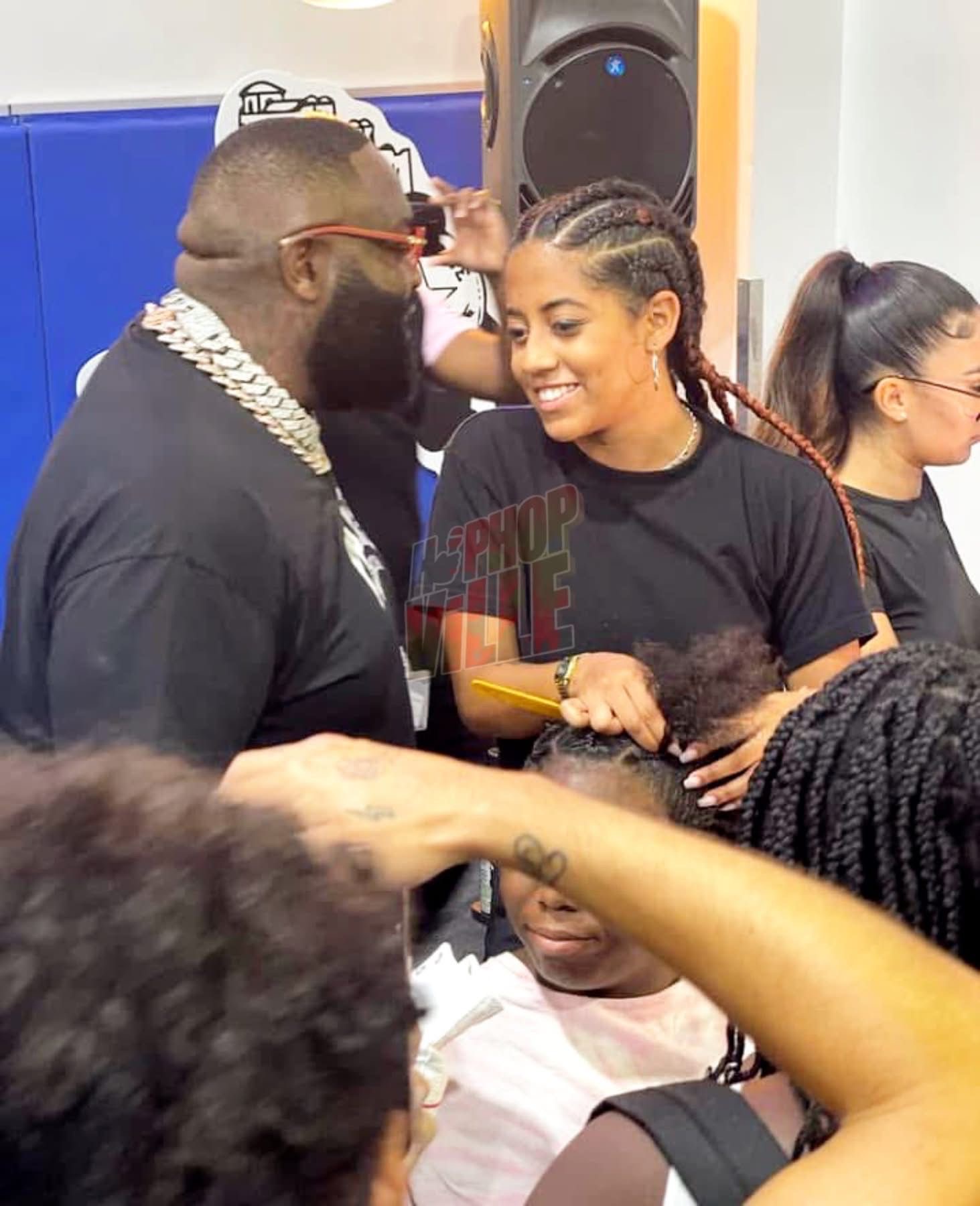 The rapper’s philanthropic reach extends far beyond monetary contributions. He has invested time, presence, and influence—three currencies that cannot be faked. From hosting free community events to partnering with grassroots organizations, Rick Ross has made it clear that he is not just a product of his environment, but a protector of it. He uses his platform to highlight local heroes, to bring attention to community struggles, and to remind his fans that while dreams are personal, their fulfillment carries a social responsibility.
His example could not come at a more urgent time. Across Africa, a generation of artists has risen to global fame—Afrobeats icons selling out stadiums in Europe and America, actors gracing Hollywood red carpets, and athletes lifting trophies in the world’s biggest arenas. These are individuals whose journeys began in modest homes, in bustling city corners or rural towns where the odds were stacked against them. Many have “made it” in ways their ancestors could only imagine, but the question remains: how many have truly gone back to plant seeds where they were first watered?
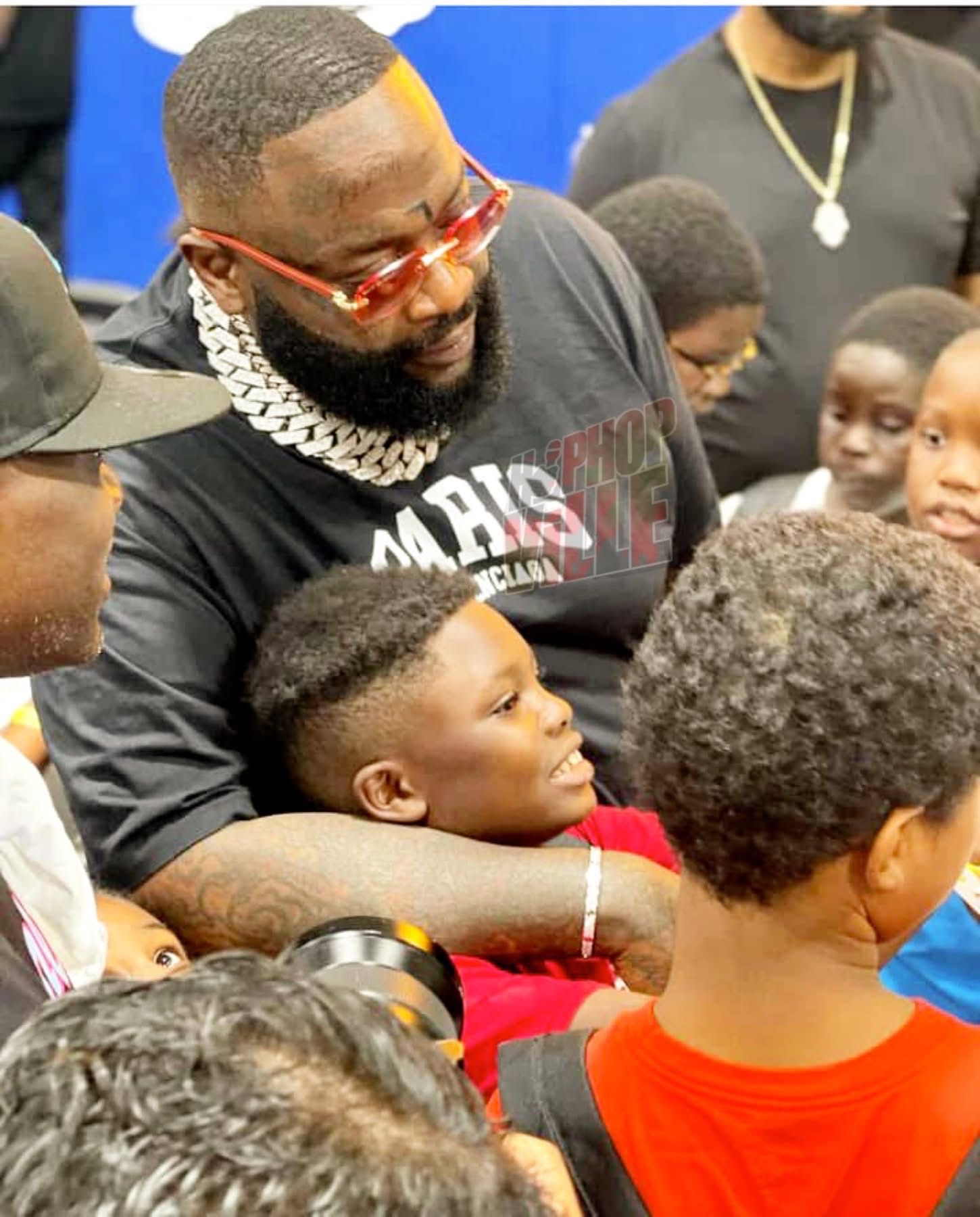 Rick Ross’s legacy challenges these artists to look beyond the flashing lights and consider the shadows left behind. What if Burna Boy funded technical schools in Port Harcourt? What if Wizkid sponsored urban youth centers in Lagos? What if Lupita Nyong’o established a pan-African film academy? What if Didier Drogba’s community work in Ivory Coast became a continental movement for sports-driven education? These are not fantasies—they are possibilities, if those blessed with global platforms choose to wield them with the same energy they bring to the stage or field.
The transformation of communities does not happen in isolation. It requires a collective vision and the courage to turn that vision into action. Rick Ross has shown that an artist can sell millions of records and still walk through the neighborhoods that inspired those records—not as a distant legend, but as a neighbor, a mentor, a brother. His story is a reminder that fame does not erase our origins; it amplifies our duty to them.
In the end, music will fade, awards will gather dust, and headlines will move on. But the schools built, the scholarships given, the families fed, and the young lives redirected toward hope—these will stand as the true monuments to an artist’s legacy. Rick Ross is building his, brick by brick, in the very soil where his story began. The rest of the world’s stars, especially those from Africa, would do well to join the crusade—not as charity, but as an obligation to the communities that gave them their first standing ovation.
If the stage made you, the streets deserve you. Rick Ross knows this. It’s time others did too.
