

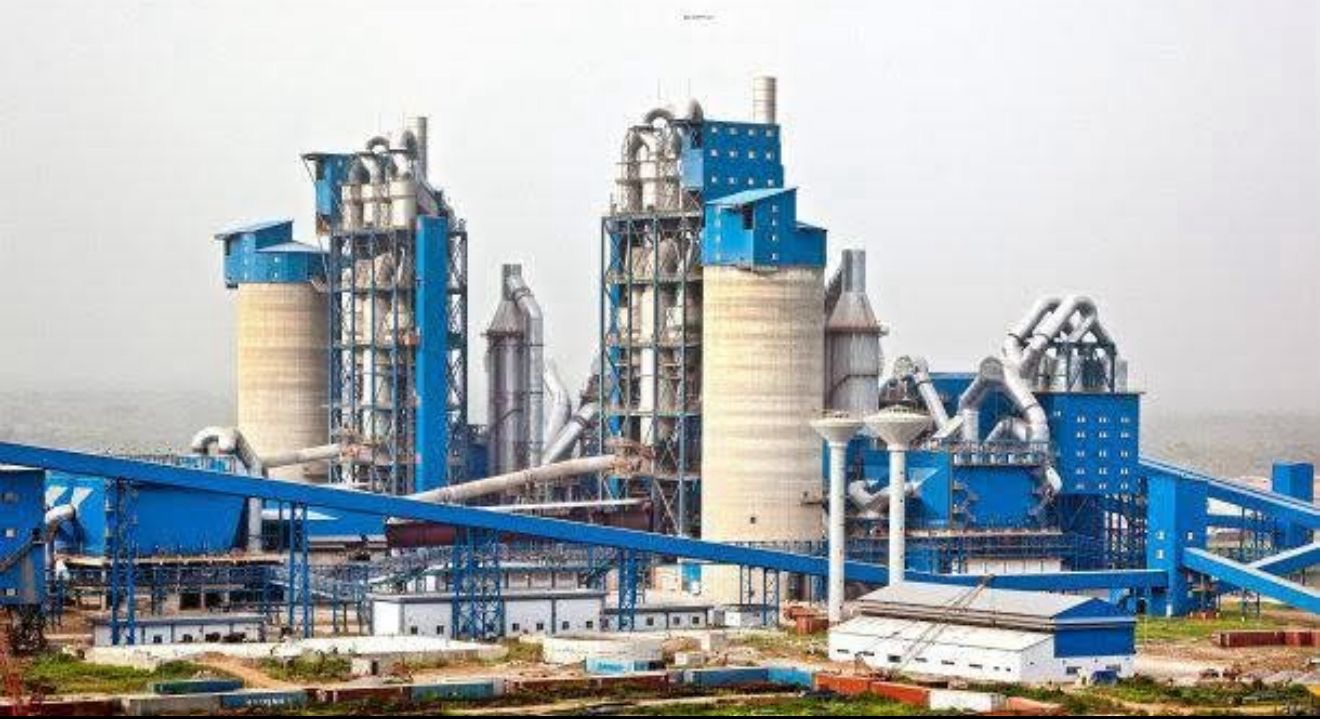
In a landmark move set to redefine cement production dynamics in West Africa, Nigerian industrial titan Aliko Dangote—currently regarded as Africa’s richest individual, with a net worth estimated at approximately US $24.9 billion as of 2025—has officially inaugurated a state-of-the-art cement grinding plant in the Attingué industrial zone, situated just outside Abidjan, Côte d’Ivoire  .
With an invested sum of roughly US $250 million (equivalent to over 150 billion CFA francs), this facility stands as Dangote’s largest cement plant outside Nigeria, boasting an annual production capacity of 3 million tonnes  . The expansive project underscores not just industrial ambition but a strategic push to deepen regional self-sufficiency in a commodity critical for infrastructure and housing development. Strategic Motives and Regional Repercussions
This latest investment aligns with Dangote Cement’s broader mission of territorial expansion and supply chain integration across West Africa. By launching operations in Côte d’Ivoire, Dangote is injecting new competitive energy into a sector historically dominated by incumbents such as Lafarge Holcim, Cim Ivoire, and Cimaf  .
Currently, Côte d’Ivoire registers an annual cement consumption of around 7 million tonnes, while installed capacity hovers near 19 million tonnes. Despite this apparent surplus, actual utilization rates languish at approximately 45%, owing in part to marketing weaknesses and logistical bottlenecks among existing producers . Dangote’s entry not only injects new supply but also promises to streamline distribution through its logistical footprint—complemented by a fleet of 1,600 CNG-powered trucks, which improve cost-efficiency and reduce emissions  .
Moreover, the plant strengthens Dangote Cement’s export capabilities, leveraging Côte d’Ivoire’s strategic location to serve Francophone West African markets more efficiently. This expansion dovetails with Africa’s broader economic integration under frameworks like the African Continental Free Trade Area (AfCFTA) Economic and Social Impact
The inauguration of the Attingué plant signals a transformative moment for the local economy. Between 2,000 and 3,000 direct jobs are expected to be created—ranging from production to logistics and support services—offering a meaningful boost to employment and skills development in the region  .
Beyond employment, the facility is poised to reduce Côte d’Ivoire’s heavy reliance on cement imports, bolstering domestic production and reinforcing the country’s infrastructure ambitions. Dangote heralds this as more than a commercial venture—emphasizing its role as a driving force behind sustainable economic growth and regional industrial autonomy  .
Broader Corporate Context and Market Outlook
This initiative comes at a time when Dangote Cement is consolidating its status as Africa’s foremost cement producer. The company currently operates across more than 10 African countries, with a total installed capacity of up to 52 million tonnes per annum (Mta)—a figure reflective of aggressive expansion in recent years   .
In Nigeria alone, production derives from several major plants: Obajana (16.25 Mta), Ibese (12 Mta), Gboko (4 Mta), and Okpella (3 Mta)—totaling an impressive 35.25 Mta capacity .
Performance metrics also suggest robust financial health: Dangote Cement reported a Group EBITDA increase of approximately 41.8%, alongside a striking profit surge of 174.1%, underpinned by operational efficiencies and rising export volumes. In the first half of 2025, clinker exports from Nigeria rose 18.2%, exemplifying the firm’s growing regional influence  .
 Looking Forward: Competitive Shifts and Market Dynamics Dangote’s new Ivorian facility is likely to catalyze shifts in the local market landscape. As noted by industry analysts, established players are already adapting—Lafarge Holcim is investing in additional storage capacity, while Cim Ivoire continues regional expansion. These strategic moves are responses to the evolving dynamics spurred by Dangote’s entry .
Yet, challenges remain. Despite the added capacity, Côte d’Ivoire’s utilization rates will only improve if market demand rises—via infrastructure investment and urban housing growth—and if prices, regulated by the government, remain flexible enough to foster competition rather than stifle it 
Conclusion
What once was an ambitious plan is now a hallmark of industrial progress: Aliko Dangote’s $250 million cement plant in Attingué augments Africa’s manufacturing prowess and asserts a bold vision for regional self-reliance. With a production capacity of 3 million tonnes per year, the plant not only addresses domestic import dependence but also serves as a fulcrum for broader export and logistic efficiencies across West Africa.
Projected to create thousands of jobs and activated in an economically vibrant but underutilized market, the plant encapsulates the synergies of strategic capital deployment, infrastructural relevance, and regional trade ambitions. In doing so, it weaves into Dangote’s broader narrative—a multinational industrial conglomerate powering Africa’s infrastructural and economic transformation.
By: Jide Adesina | 1stafrika.com
