

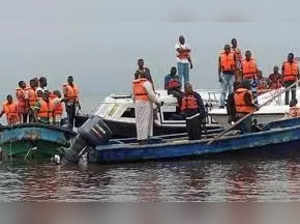
 On Wednesday, September 3, 2025, a devastating boat accident occurred on a river in north-central Nigeria’s Borgu area of Niger State, leaving at least 31 people dead, according to officials from the National Emergency Management Agency (NEMA).
The vessel, carrying approximately 90 passengers, collided with a submerged tree trunk and capsized. Amid ongoing search and rescue operations, authorities have so far retrieved thirty-one bodies and rescued 50 survivors. The number of those still missing remains unclear.
Boat accidents of this nature are unfortunately common in Nigeria’s rural regions, particularly during the rainy season when waterways can become more hazardous. Contributing factors include severe overloading, poor vessel maintenance, and widespread lack of life jacket usage, making such voyages extremely risky.
In a related incident cited by local media, a similar accident occurred in the same area on September 2, 2025, around 11:30 a.m., where a boat carrying mostly women and children departed from Tugan Sule in Shagunu ward, bound for a condolence visit in Dugga community. It capsized after hitting a tree stump, resulting in 29 confirmed deaths, 50 rescues, and two still missing. While slight discrepancies exist between the AP count of 31 fatalities and local reports citing 29, both confirm a significant loss of life and underscore the gravity of the situation.
Analysis and Evaluation:
This incident starkly illustrates a recurring issue plaguing Nigeria’s inland waterway. Over recent years, numerous tragedies have been traced to systemic failures—including lax enforcement of safety regulations, insufficient oversight, and a lack of available life-saving equipment. For example, reports from 2024 show that Niger State alone accounted for 92 of the approximately 326 boat-accident fatalities nationwide that year Broader investigations have pointed to chronic underregulating and operational shortcuts that cost lives
Despite repeated incidents—including a major capsizing in 2023 that claimed over 100 lives—there has been little policy progression to curb these avoidable tragedies. Experts consistently cite poor vessel conditions, nighttime navigation, overloaded boats, and absence of lifelong jackets among the main culprits.
 Immediate priority lies in concluding search and rescue operations and bringing closure to affected families. In the longer term, this tragedy must serve as a wake-up call for both federal and state authorities. Stronger enforcement of water transportation safety standards, widespread provision and mandated use of life jackets, and vessel maintenance protocols need urgent improvement. Ultimately, preventing further loss of life demands accountability, regulation, and meaningful investment in safety infrastructure.
