

By Jide Adesina
Nigeria’s rapidly evolving digital finance ecosystem is entering a new phase as Naira-pegged stablecoins gain traction across the country’s fintech and cryptocurrency landscape. What was once considered an experimental segment of the blockchain economy is increasingly being viewed as a strategic financial infrastructure capable of transforming payments, remittances, foreign exchange access, and cross-border commerce across Africa.
The recent expansion and exchange listings of Naira-backed stablecoins have reignited discussions about the future of digital money in Africa’s largest economy. Industry observers, fintech executives, blockchain developers, and financial analysts are closely monitoring developments as Nigeria positions itself at the intersection of traditional finance and decentralized financial technology.
The emergence of regulated and asset-backed stablecoins represents a significant evolution from the speculative cryptocurrency boom that characterized previous years. Unlike volatile cryptocurrencies whose values fluctuate dramatically, stablecoins are designed to maintain a fixed value relative to an underlying asset. In the case of Naira-pegged stablecoins, each token is intended to maintain a one-to-one relationship with the Nigerian Naira, creating a digital representation of fiat currency that can move seamlessly across blockchain networks.
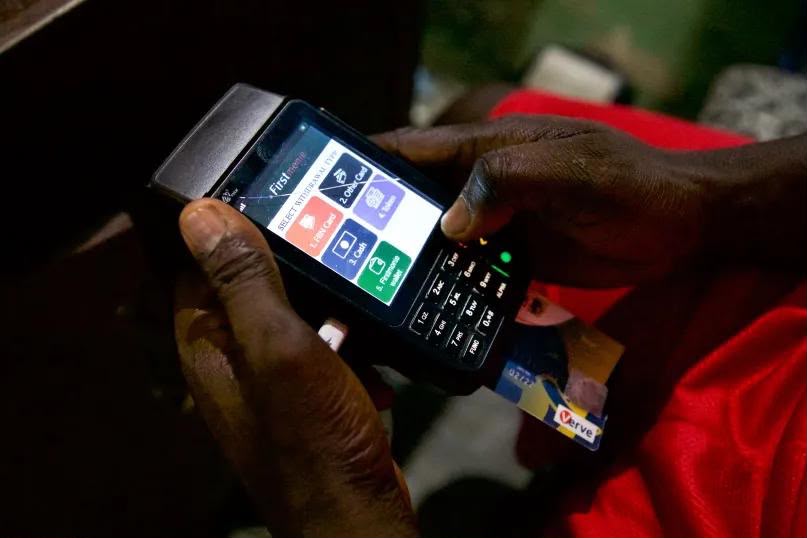
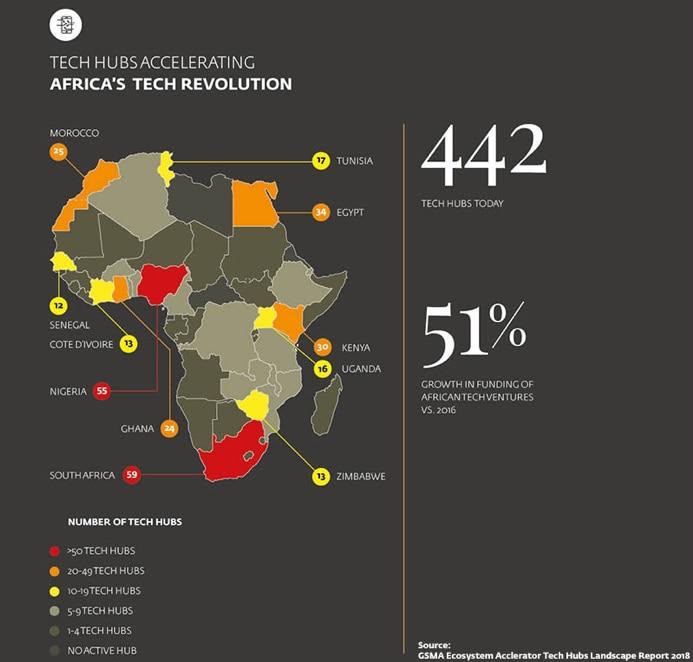
This development comes at a time when Nigeria remains one of the world’s most active cryptocurrency markets. Despite regulatory uncertainties in previous years, the country’s young and technologically savvy population has continued to adopt digital assets at a remarkable pace. Driven by increasing internet penetration, mobile connectivity, a thriving fintech sector, and growing participation in the global digital economy, Nigeria has emerged as one of Africa’s leading innovation hubs for financial technology.
The significance of Naira-backed stablecoins extends far beyond cryptocurrency trading. Industry experts increasingly view stablecoins as foundational infrastructure capable of addressing long-standing inefficiencies within African payment systems. Cross-border transactions across Africa remain among the most expensive and fragmented in the world, often requiring multiple intermediaries, exposing businesses to currency conversion costs, and resulting in lengthy settlement periods.
For small and medium-sized enterprises engaged in regional trade, these inefficiencies create significant barriers to growth. A digitally native Naira that can be transferred instantly across borders has the potential to reduce transaction costs, improve liquidity management, and accelerate settlement times. Such efficiencies could prove particularly valuable as African economies continue implementing the African Continental Free Trade Area, which aims to create the world’s largest free trade zone by participating countries.

Remittances represent another area where stablecoin adoption could have transformative implications. Nigeria consistently ranks among Africa’s largest recipients of remittance inflows, receiving billions of dollars annually from its global diaspora. Traditional remittance channels often involve substantial fees, exchange rate spreads, and delays. Blockchain-based stablecoin networks offer an alternative settlement mechanism capable of moving value more efficiently between jurisdictions while potentially reducing costs for both senders and recipients.
The rise of stablecoins also reflects broader changes occurring within global finance. Major financial institutions, payment companies, and central banks are increasingly exploring tokenized forms of money and blockchain-based payment infrastructure. Stablecoins have become one of the fastest-growing segments of the digital asset industry globally, with market capitalization reaching hundreds of billions of dollars and transaction volumes rivaling those of some traditional payment networks.
Nigeria’s participation in this global shift carries strategic implications. As financial systems become increasingly digitized, countries that successfully integrate blockchain infrastructure into their economies may gain competitive advantages in attracting investment, fostering innovation, and expanding access to financial services. For Nigeria, which already hosts some of Africa’s most successful fintech companies, stablecoin innovation presents an opportunity to strengthen its leadership position within the continent’s digital economy.
However, the path forward is not without challenges. The credibility of any stablecoin ultimately depends on transparency, governance, reserve management, regulatory oversight, and market confidence. Financial experts emphasize that successful stablecoin ecosystems require rigorous auditing standards, clear legal frameworks, robust compliance procedures, and secure custody arrangements. Investors, businesses, and consumers must be confident that the underlying reserves supporting the digital assets are fully backed and readily redeemable.
Regulation will therefore play a decisive role in determining the long-term success of Naira-pegged stablecoins. Nigerian regulators have gradually demonstrated greater willingness to engage with digital asset innovation while simultaneously emphasizing investor protection and financial stability. The challenge for policymakers will be balancing innovation with oversight, ensuring that emerging technologies can flourish without introducing systemic risks into the broader financial system.
The competitive landscape is also evolving rapidly. Global stablecoins such as USDT and USDC continue to dominate international crypto markets, providing users with exposure to the United States dollar. For Naira-based stablecoins to achieve widespread adoption, they must offer compelling advantages to local businesses, consumers, and financial institutions. This may include integration with domestic payment systems, merchant networks, banking infrastructure, and cross-border trade platforms.

Looking ahead, industry analysts believe that the future of stablecoins in Africa will depend less on cryptocurrency speculation and more on real-world utility. The most successful projects are likely to be those that solve tangible economic problems, facilitate commerce, improve financial inclusion, and enhance access to digital financial services. As blockchain infrastructure matures and regulatory frameworks become clearer, stablecoins could evolve into a critical layer of Africa’s next-generation financial architecture.
For Nigeria, the emergence of Naira-pegged stablecoins represents more than a technological milestone. It signals the country’s growing influence within the global fintech ecosystem and highlights the increasing convergence of traditional banking, digital payments, and decentralized technologies. If supported by strong governance, regulatory clarity, and market adoption, these digital assets could become an important tool for expanding financial access, reducing payment friction, and strengthening Nigeria’s position as Africa’s leading digital economy.
The coming years will determine whether Naira-backed stablecoins can transition from promising innovation to mainstream financial infrastructure. What is already clear, however, is that Nigeria is no longer simply participating in the global conversation about digital finance. It is increasingly helping shape it.