


Germany did not simply begin its 2026 FIFA World Cup campaign with a victory. It delivered a warning to the rest of the tournament.
The emphatic 7-1 demolition of World Cup debutants Curacao in Houston was far more than a routine opening win. It was a demonstration of power, depth, tactical superiority and attacking ruthlessness from a German side that appears determined to erase the painful memories of recent World Cup disappointments. After consecutive group-stage eliminations in 2018 and 2022, Germany arrived in North America carrying questions about its identity and relevance among football’s elite nations. Ninety minutes later, many of those questions had been replaced by a far more uncomfortable one for the rest of the world: has Germany become the most complete team in this tournament?
The scoreline itself was staggering. Seven goals. Seven different waves of pressure. Seven reminders that when Germany finds rhythm and confidence, few nations can match its combination of technical excellence, tactical organization and physical intensity. Curacao deserves enormous respect for reaching its first World Cup and for scoring a historic goal through Livano Comenencia, but the remainder of the contest belonged almost entirely to Germany. Felix Nmecha, Nico Schlotterbeck, Kai Havertz, Jamal Musiala, Nathaniel Brown and Deniz Undav all found the net as Germany overwhelmed its opponent from virtually every area of the field. The result became Germany’s biggest World Cup victory since the famous 7-1 destruction of Brazil in the 2014 semifinal and one of the most dominant opening performances of the 2026 tournament.
What made the performance particularly impressive was the manner in which Germany responded to adversity. Curacao briefly stunned the stadium when Comenencia equalized, making it 1-1 and threatening to create an uncomfortable afternoon for the four-time world champions. In previous years Germany might have become nervous. Instead, Julian Nagelsmann’s side reacted with the composure of a genuine contender. They increased the tempo, pressed higher, moved the ball quicker and systematically dismantled Curacao’s defensive structure. By halftime Germany had restored control, and after the interval the match became a showcase of German superiority.
The most frightening aspect for Germany’s rivals is that this team does not depend on a single superstar. The goals came from defenders, midfielders and attackers alike. Every line of the team contributed. Jamal Musiala continued to demonstrate why many observers consider him one of the most gifted footballers on the planet. Kai Havertz delivered with clinical finishing. Nico Schlotterbeck was dangerous from defensive positions. Nathaniel Brown announced himself on the biggest stage. Deniz Undav added further punishment from the bench. Germany’s attack appears capable of hurting opponents through possession football, counterattacks, set pieces and individual brilliance.

At the heart of this German resurgence is a remarkable blend of diversity and footballing excellence. Modern Germany has become one of the most multicultural national teams in world football, and that diversity is increasingly becoming a competitive advantage rather than merely a social observation. The squad reflects contemporary Germany, drawing talent from families whose roots extend across Africa, Europe and beyond.
For Nigerians watching this World Cup, the German team carries a particularly fascinating dimension. Several of Germany’s most influential players possess Nigerian heritage and are playing major roles in the country’s championship ambitions.
Felix Nmecha’s performance against Curacao symbolized this perfectly. The midfielder of Nigerian descent opened the scoring and immediately imposed himself on the match. His goal set the tone for the entire afternoon and highlighted the maturity he has developed in Germany’s midfield. Nmecha combines physical strength, intelligence and tactical discipline in a manner that perfectly complements Germany’s attacking stars. In many ways he represents the modern German footballer: technically refined, athletically powerful and comfortable operating in multiple tactical systems. His early strike also entered the record books as one of the fastest goals of the 2026 World Cup.
Alongside Nmecha stands Jamal Musiala, whose Nigerian heritage is equally significant. Musiala has evolved into one of football’s most electrifying talents. Defenders struggle to predict his movement. Midfielders struggle to contain him. His balance, creativity and ability to glide through tight spaces give Germany a dimension that very few teams possess. Every World Cup-winning side requires a player capable of producing magic when systems fail and matches become chaotic. Musiala is that player for Germany.
Kevin Schade, another player with Nigerian roots, adds yet another layer to Germany’s arsenal. His speed and directness provide a weapon that becomes particularly valuable in knockout football. As opponents tire and spaces open, Schade’s pace can transform a close contest into a decisive victory.
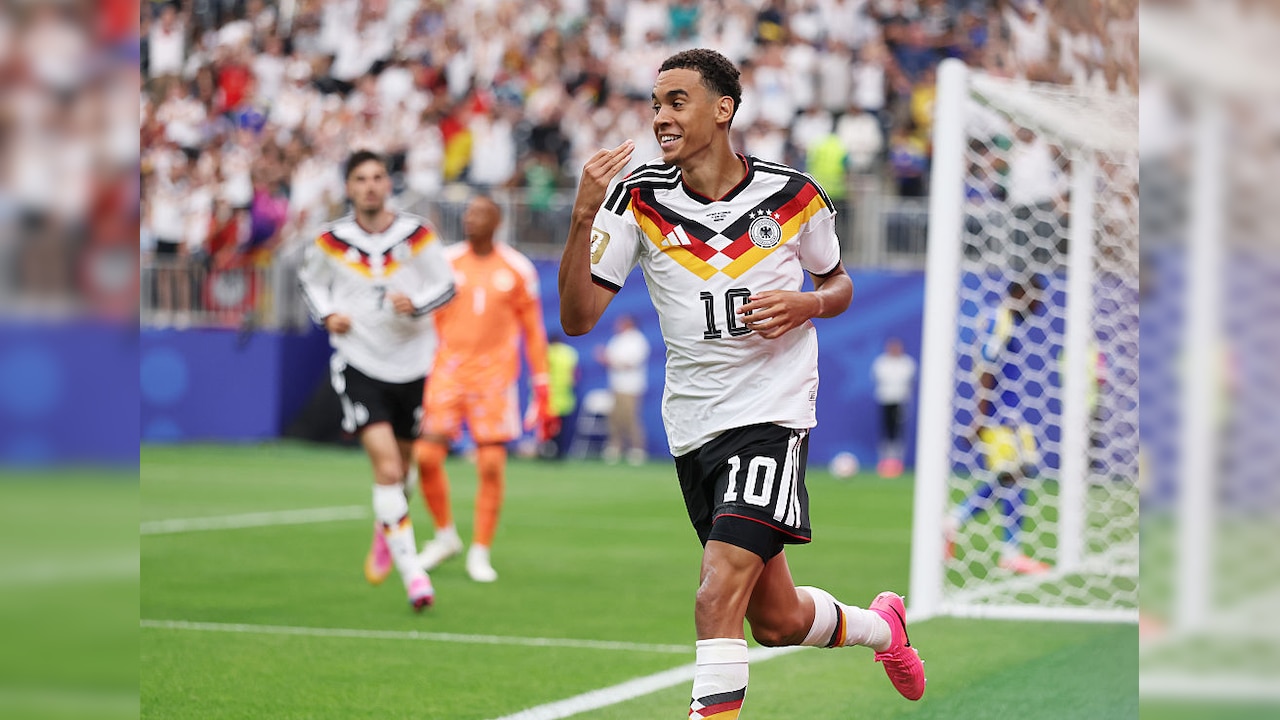
These Nigerian-descended players are not symbolic members of the squad. They are central components of Germany’s ambitions. Their contributions illustrate how football talent continues to flow through the Nigerian diaspora and influence elite football around the globe. Germany is benefiting enormously from that reality.
Yet Germany’s strength extends beyond individual stories. Jonathan Tah brings Ivorian heritage. Antonio Rudiger has roots in Sierra Leone. Leroy Sane’s family traces back to Senegal. The result is a squad rich in experiences, football cultures and athletic profiles. Together they form a team capable of adapting to different opponents and different styles of play.
The tactical work of Julian Nagelsmann deserves enormous credit. Germany now looks modern, aggressive and flexible. The pressing is coordinated. The passing is quicker. The transitions are sharper. The players appear comfortable rotating positions and exploiting weaknesses as they emerge. Unlike previous German teams that often appeared predictable, this version possesses multiple ways to win matches.
Defensively, Germany appears stronger than many of its rivals. Manuel Neuer’s return provides leadership and confidence. Joshua Kimmich continues to dictate tempo and organization. Rudiger, Tah and Schlotterbeck offer physical dominance and aerial strength. Even when Germany attacks in numbers, the structure behind the ball remains disciplined.
Most importantly, Germany looks hungry. The scars of 2018 and 2022 have not disappeared. Instead, they appear to have created a renewed determination. Great football nations often become dangerous after periods of failure because they learn lessons, rebuild foundations and return with fresh purpose. Germany’s opening performance suggested exactly that process may be underway.
Of course, tougher challenges await. Ivory Coast and Ecuador will provide far sterner examinations than Curacao. Later rounds could bring collisions with France, Argentina, Brazil, Portugal or England. Yet the significance of the 7-1 victory cannot be dismissed. Championship teams often reveal themselves through authority rather than merely results. Germany did not scrape through. Germany imposed its will.
The rest of the tournament should take notice. This is no longer a rebuilding project. This is no longer a nation searching for answers. Germany has arrived at the 2026 FIFA World Cup looking every inch a contender. With a squad blending youth and experience, diversity and unity, creativity and discipline, the four-time champions appear determined to pursue a fifth world title.
If the performance against Curacao was an indication of what lies ahead, Germany may not simply be
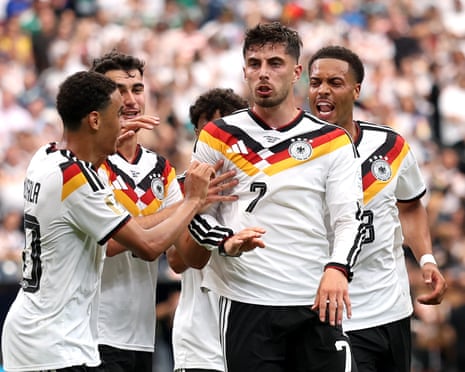
participating in this World Cup. Germany may be preparing to dominate it.
