
Across the vast landscape of West Africa, a new economic story is unfolding—one that extends far beyond the headlines of political transitions, security challenges, and diplomatic tensions that often dominate international coverage of the region. From the Atlantic ports of Dakar, Abidjan, Cotonou, Lomé, and Lagos to the emerging technology corridors of Accra and Abuja, a powerful transformation is taking shape. It is a story defined not merely by growth statistics or investment figures but by the emergence of a region determined to reposition itself within the global economy.
The symbolism of gold and green increasingly captures the essence of West Africa’s economic evolution. Gold represents the region’s vast mineral wealth, financial opportunities, expanding investment flows, and growing strategic importance in an increasingly competitive global marketplace. Green represents agriculture, renewable energy, sustainability, innovation, and the youthful demographic force driving economic transformation across the region. Together, these two forces are shaping what may become one of the most significant economic developments on the African continent in the coming decades.
For much of the post-colonial era, West Africa’s economies were largely defined by the export of raw commodities. Cocoa from Côte d’Ivoire and Ghana, crude oil from Nigeria, gold from Mali and Burkina Faso, cotton from Benin, and various agricultural products formed the foundation of national economies. While these sectors remain critically important, a profound shift is underway. Governments, businesses, entrepreneurs, and investors are increasingly focused on moving beyond commodity dependence toward value creation, industrialization, digital innovation, and regional integration.
This transformation is occurring against a backdrop of considerable global uncertainty. Geopolitical rivalries, inflationary pressures, supply chain disruptions, climate change, and fluctuating commodity markets continue to influence economic conditions worldwide. Yet despite these challenges, West Africa remains one of the fastest-growing economic regions on the African continent. International financial institutions continue to identify the region as a major growth engine, supported by demographic expansion, urbanization, infrastructure development, technological innovation, and increasing domestic consumption.
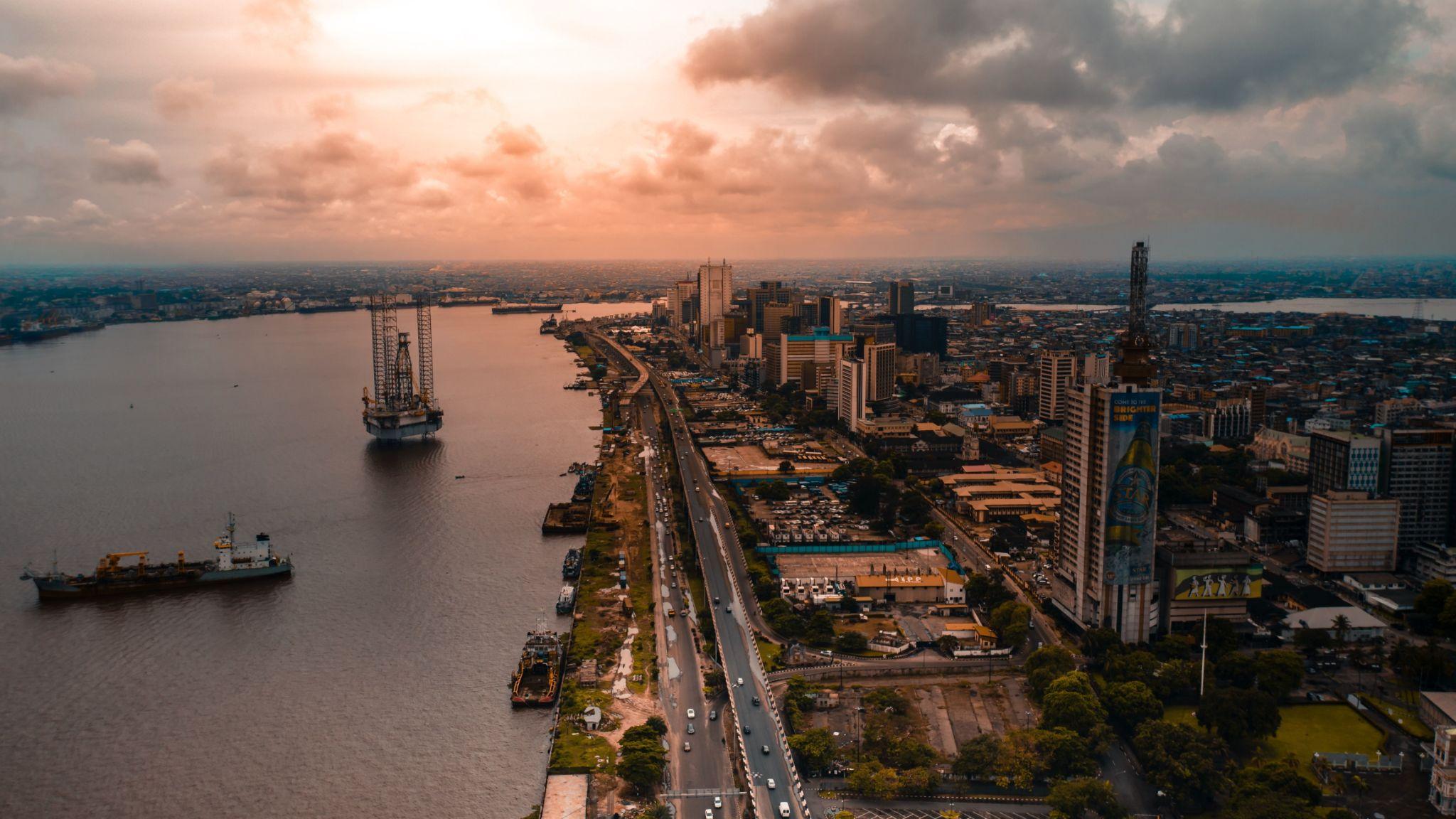
At the center of this transformation stands Nigeria, Africa’s largest economy and most populous nation. With a population exceeding 230 million people, Nigeria’s economic trajectory has implications not only for West Africa but for the continent as a whole. Lagos, once primarily known as a commercial city, has evolved into one of the world’s most dynamic emerging technology ecosystems. The city now serves as a magnet for entrepreneurs, investors, software developers, financial innovators, and multinational corporations seeking access to Africa’s largest consumer market.
Nigeria’s fintech revolution has fundamentally altered the financial landscape of the continent. Digital payment platforms, mobile banking solutions, embedded finance systems, and financial inclusion initiatives have transformed how millions of people interact with money. What began as efforts to address banking access challenges has evolved into an ecosystem attracting billions of dollars in investment and generating globally recognized technology companies. The country’s entrepreneurial culture continues to produce innovations that are increasingly being adopted across Africa and beyond.
The impact of this transformation extends far beyond financial technology. Artificial intelligence, cybersecurity, health technology, logistics platforms, agricultural technology, digital commerce, and enterprise software solutions are rapidly becoming central components of Nigeria’s innovation economy. As global investors increasingly search for high-growth markets, Lagos has emerged as one of the most important technology destinations in the developing world.
Ghana presents another compelling dimension of West Africa’s economic evolution. Long regarded as one of Africa’s most stable democracies, the country has built a reputation for sound economic management, investor-friendly policies, and institutional resilience. While recent years have tested Ghana’s economy through debt restructuring and fiscal reforms, the country continues to demonstrate its capacity for adaptation and recovery.
Accra has become a regional hub for finance, technology, and entrepreneurship. International companies increasingly view Ghana as a strategic gateway into West African markets. The country’s growing digital economy, expanding infrastructure investments, and commitment to innovation continue to attract both domestic and foreign capital. Beyond technology, Ghana remains a major player in global cocoa production, gold mining, and energy development, sectors that continue to provide significant economic value while supporting broader diversification efforts.
Further west, Côte d’Ivoire has emerged as one of Africa’s most remarkable economic success stories. Once associated primarily with cocoa production, the country has undertaken an ambitious program of economic diversification and infrastructure modernization. Abidjan has transformed into one of Africa’s leading commercial capitals, attracting multinational corporations, financial institutions, logistics operators, and manufacturing investments.
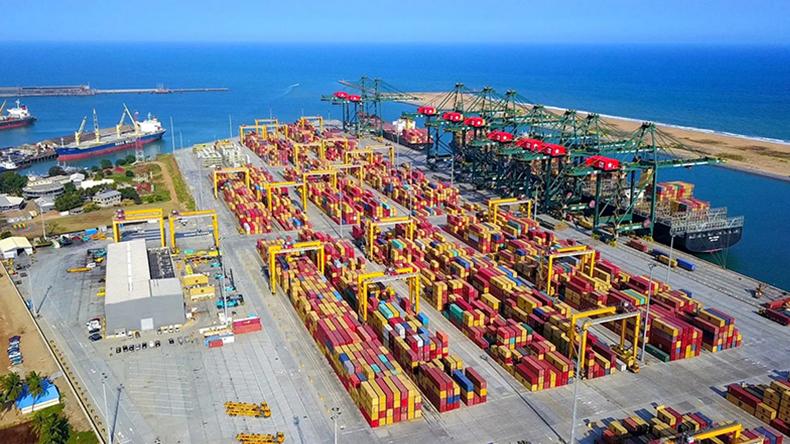
The Port of Abidjan has become one of the most important maritime gateways in West Africa, facilitating trade flows throughout the region. Massive investments in transport infrastructure, industrial zones, and urban development projects have strengthened Côte d’Ivoire’s position as a critical economic hub. The country’s sustained growth performance over the past decade has attracted significant international attention and reinforced investor confidence in its long-term prospects.
Senegal is simultaneously carving out its own unique economic identity. The country’s emergence as an energy producer through offshore oil and gas developments is reshaping perceptions of its economic future. The development of hydrocarbon resources offers opportunities to strengthen fiscal revenues, support industrialization, and expand energy access. Yet Senegal’s ambitions extend beyond energy production alone.
Dakar has become a growing center for technology, entrepreneurship, and innovation. Investments in digital infrastructure, startup ecosystems, and transportation networks are positioning Senegal as a key player in West Africa’s evolving knowledge economy. The country’s strategic geographic location along the Atlantic coast further enhances its attractiveness as a trade and logistics destination.
Benin and Togo represent another dimension of West Africa’s economic transformation. Though smaller in size, both countries have demonstrated how strategic infrastructure investments can significantly enhance competitiveness. The ports of Cotonou and Lomé have become increasingly important gateways for regional commerce, supporting trade not only within their own borders but also for neighboring landlocked countries.
The modernization of port infrastructure, customs systems, logistics networks, and transport corridors reflects a broader recognition that efficient trade facilitation is essential for economic growth. As regional trade volumes increase under the African Continental Free Trade Area framework, countries with strong logistics capabilities are expected to play increasingly influential roles within the regional economy.
Agriculture remains the foundation upon which much of West Africa’s economic future will continue to be built. However, the sector is undergoing a significant transformation. Across the region, governments and private-sector actors are investing in agricultural modernization, mechanization, climate-smart farming techniques, irrigation systems, food processing facilities, and value-added production.
The objective is no longer simply increasing production. Increasingly, policymakers are focused on strengthening agricultural value chains, reducing post-harvest losses, expanding food security, and creating employment opportunities throughout the production process. Agriculture is gradually evolving from a subsistence activity into a sophisticated agribusiness sector capable of supporting industrial development and export competitiveness.
The green dimension of West Africa’s future is equally evident in the region’s expanding renewable energy sector. Energy remains one of the most critical constraints on economic growth, industrialization, and social development. In response, governments and investors are pursuing ambitious projects in solar power, wind energy, hydropower, and natural gas infrastructure.
The Sahel region, despite its security challenges, possesses some of the world’s highest solar energy potential. International investors increasingly view renewable energy development as both a commercial opportunity and a development imperative. Reliable energy systems will be essential for supporting manufacturing, technology industries, healthcare systems, educational institutions, and modern urban economies.
Meanwhile, aviation is emerging as a critical enabler of regional integration. Airports in Lagos, Accra, Abidjan, Dakar, and other major cities are expanding their capacity to accommodate increasing passenger and cargo traffic. While high ticket prices and connectivity challenges remain significant obstacles, efforts to liberalize African air transport markets could eventually transform regional mobility.
Improved aviation connectivity has implications far beyond tourism. Efficient air transport facilitates investment, strengthens business relationships, accelerates trade, and supports the movement of skilled professionals across borders. In a region seeking deeper economic integration, aviation infrastructure is becoming an increasingly strategic asset.
Technology continues to serve as perhaps the most transformative force shaping West Africa’s future. The region’s young population is adopting digital solutions at a pace that often exceeds traditional development models. Mobile technology, cloud computing, artificial intelligence, digital payments, blockchain applications, cybersecurity solutions, and e-commerce platforms are creating entirely new economic ecosystems.
Unlike previous industrial revolutions that depended heavily on physical infrastructure, today’s digital economy allows entrepreneurs to create scalable businesses with relatively limited capital requirements. This democratization of innovation is empowering a new generation of African business leaders who are building solutions tailored to local realities while competing in global markets.
The rise of venture capital activity across Nigeria, Ghana, Senegal, and Côte d’Ivoire demonstrates growing international confidence in the region’s innovation potential. Although global technology funding has experienced periods of contraction, West African startups continue to attract attention from investors seeking exposure to high-growth markets and untapped opportunities.
Yet significant challenges remain. Security concerns continue to affect parts of the Sahel. Infrastructure deficits persist in several countries. Climate change poses risks to agricultural productivity and environmental sustainability. Governance reforms, institutional strengthening, and economic diversification remain ongoing priorities.
However, these challenges should not obscure the broader transformation underway. West Africa is no longer merely a source of raw materials feeding global supply chains. It is increasingly becoming a center of innovation, production, finance, logistics, and entrepreneurship. The region is gradually constructing an economic architecture capable of supporting sustained growth and greater resilience.
The significance of this transformation extends beyond national borders. As Africa’s population continues to expand and global economic power becomes more distributed, regions capable of combining natural resources, human capital, technological innovation, and regional integration will occupy increasingly influential positions within the international system.
West Africa’s journey remains unfinished, and the road ahead will undoubtedly present obstacles. Yet the foundations being laid today—in technology hubs, logistics corridors, industrial parks, renewable energy projects, financial centers, and agricultural value chains—suggest that the region is entering a new phase of economic development.
The story of West Africa in the twenty-first century will not simply be about resources extracted from the ground. It will be about ideas transformed into enterprises, infrastructure transformed into opportunity, and regional cooperation transformed into prosperity.
The gold beneath the soil and the green that stretches across its fields may have long defined West Africa’s wealth. Today, however, they symbolize something larger: a region building the foundations of its future and increasingly determining its own place within the global economy.
