

By Jide Adesina
While headlines from West Africa are often dominated by political transitions, security challenges, and diplomatic tensions, a quieter but equally significant transformation is unfolding across the region. From the bustling ports of Côte d’Ivoire and Benin to the fintech innovation hubs of Nigeria and Ghana, West Africa is increasingly positioning itself as one of Africa’s most dynamic economic frontiers.
Despite global economic uncertainty, inflationary pressures, supply chain disruptions, and geopolitical tensions affecting international markets, West Africa continues to demonstrate remarkable resilience. International financial institutions project that economic growth across the region will remain among the strongest on the African continent, driven by expanding infrastructure, rising domestic consumption, digital innovation, agricultural modernization, and growing regional trade integration. The World Bank projects growth in Western and Central Africa at approximately 4.3 percent in 2026, while regional economies continue to benefit from major investments in energy, transport, and technology.
The story of West Africa’s economic rise is not confined to a single country. Rather, it is a regional phenomenon unfolding at different speeds and through different sectors, creating a mosaic of opportunity that is attracting investors from Africa, Europe, the Middle East, Asia, and North America.
Nigeria remains the undisputed giant of the region. As Africa’s largest economy and most populous nation, Nigeria continues to exert enormous influence on regional growth. While the country faces challenges related to inflation, currency volatility, and infrastructure deficits, it remains the center of West Africa’s digital economy. Lagos has evolved into one of Africa’s leading technology ecosystems, producing fintech companies, digital payment platforms, e-commerce ventures, and software startups that are increasingly serving markets beyond Nigeria’s borders. Financial services, telecommunications, information technology, and digital banking are driving new forms of economic activity that were unimaginable just a decade ago. Recent economic data show that Nigeria’s growth has been supported by reforms and expanding service sectors, particularly finance, insurance, mining, and information and communications technology.
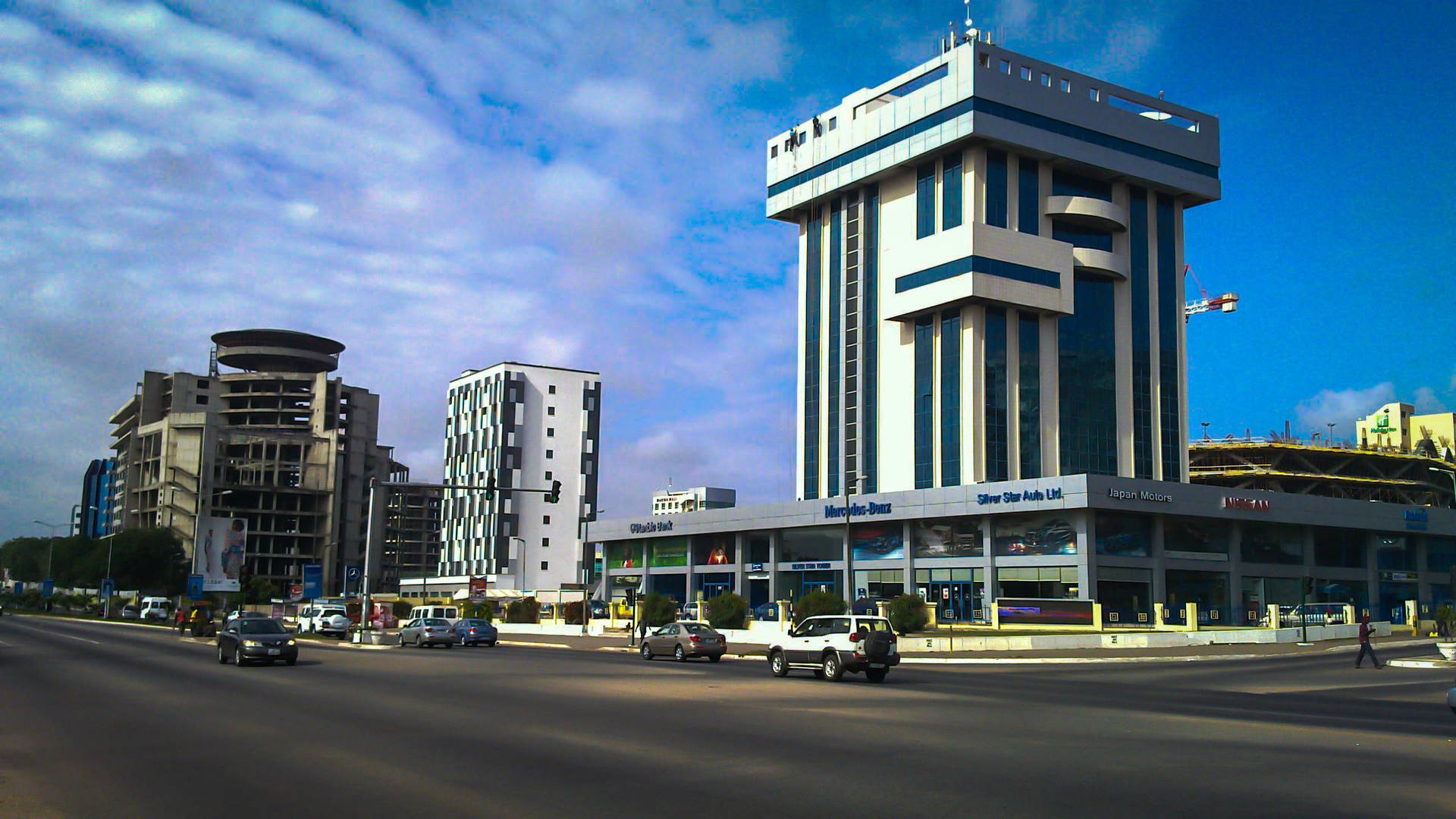
Ghana, long regarded as one of West Africa’s most stable investment destinations, is emerging from a difficult period of economic restructuring with renewed optimism. After confronting one of its most severe debt crises in recent history, the country has made significant progress under its economic recovery program. The government has emphasized fiscal discipline, debt restructuring, and investor confidence while seeking to restore its investment-grade standing. Ghana’s economy continues to benefit from strong agricultural production, gold exports, oil production, and an increasingly sophisticated financial sector. Recent agreements with the International Monetary Fund have reinforced confidence that the country is gradually returning to a path of sustainable growth.
Further west, Côte d’Ivoire continues to establish itself as one of Africa’s most impressive economic success stories. The world’s largest cocoa producer has diversified its economy beyond agriculture, investing heavily in manufacturing, logistics, transport infrastructure, and industrial zones. Abidjan has become a regional commercial hub, attracting multinational corporations seeking access to Francophone West Africa. International projections continue to place Côte d’Ivoire among the fastest-growing economies on the continent, reflecting strong investor confidence and sustained infrastructure development.
Senegal presents a more complex picture. The discovery and development of offshore oil and natural gas reserves have generated significant expectations about the country’s long-term economic prospects. Energy production has the potential to transform Senegal’s fiscal position and industrial capacity. However, political uncertainties and ongoing negotiations with international financial institutions continue to influence investor sentiment. Questions surrounding debt sustainability and economic governance remain central to the country’s economic outlook. Nevertheless, Senegal’s strategic Atlantic coastline, expanding port infrastructure, and emerging energy sector continue to make it a key player in West Africa’s future economic landscape.
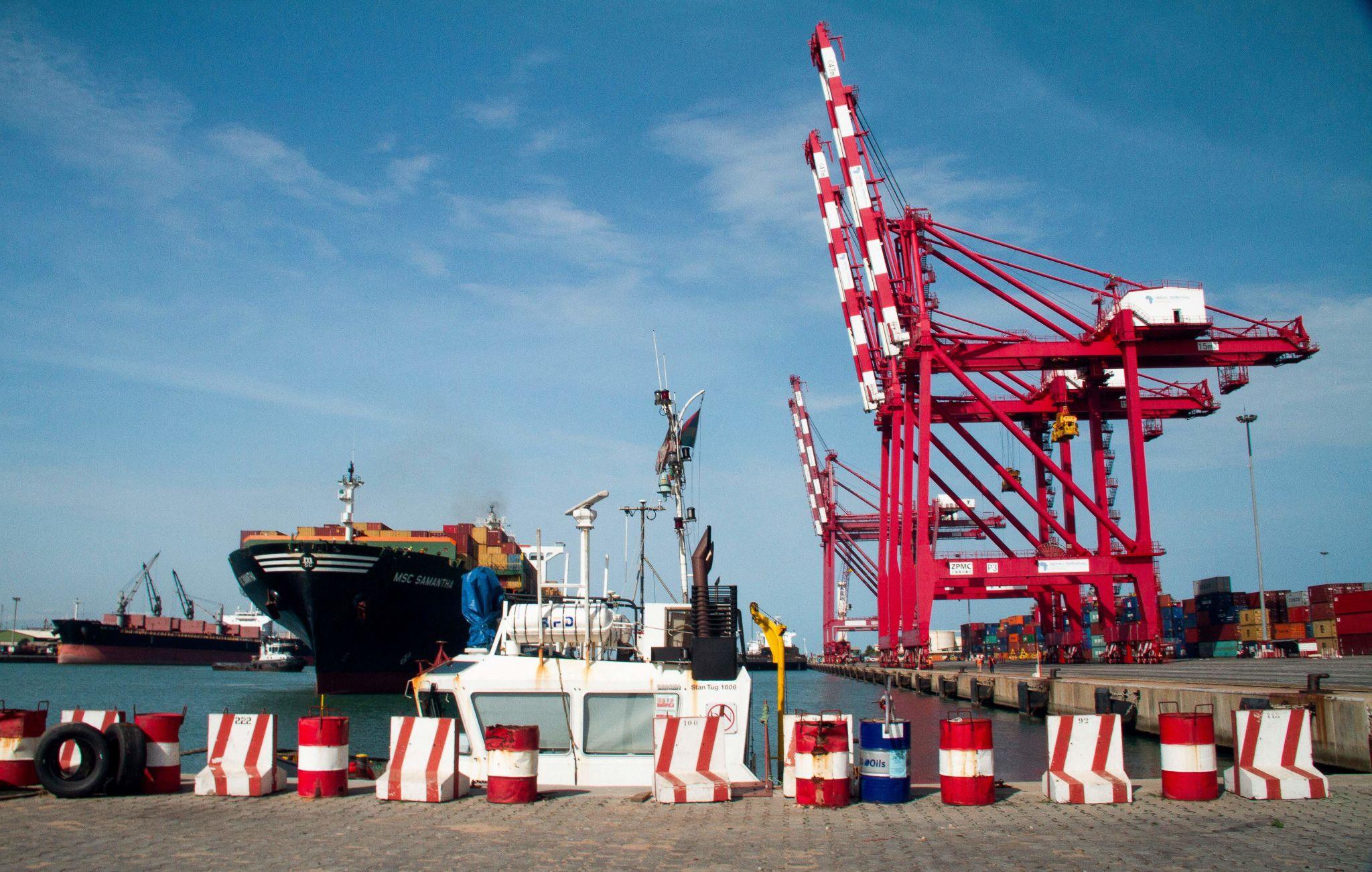
Benin has quietly become one of the region’s strongest-performing economies. Leveraging its strategic location and the Port of Cotonou, the country has positioned itself as a critical logistics gateway for trade across West Africa. Government reforms aimed at improving the business environment, modernizing customs procedures, and strengthening transport infrastructure have helped stimulate growth. International forecasts place Benin among the fastest-growing economies in Africa, demonstrating the importance of logistics and trade facilitation in driving development.
Togo is pursuing a similar strategy. Lomé’s deep-water port has become one of the most important maritime assets in the Gulf of Guinea. Investments in logistics corridors, transportation networks, and digital administration systems are helping the country strengthen its role as a regional trade and distribution hub. The government’s focus on port modernization reflects a broader recognition that efficient logistics infrastructure is essential for attracting investment and supporting regional commerce.
Niger, Mali, and Burkina Faso, despite ongoing security challenges, are increasingly focusing on economic sovereignty, mining development, and regional integration through the Alliance of Sahel States. Niger’s vast uranium resources, growing oil sector, and strategic position in trans-Sahel trade routes continue to attract international attention. Burkina Faso remains a significant gold producer, while Mali’s mining sector remains a cornerstone of its economy. The long-term economic prospects of these countries will depend significantly on their ability to improve security conditions and attract sustainable investment.
Agriculture remains the backbone of the West African economy. The sector employs millions of people and continues to contribute significantly to exports and food security. From cocoa in Côte d’Ivoire and Ghana to cotton in Benin and Burkina Faso, agriculture remains a critical driver of economic activity. Yet the sector is undergoing a transformation. Increasing investments in agricultural technology, irrigation systems, processing facilities, and value-added manufacturing are helping countries move beyond the traditional export of raw commodities. The goal is increasingly focused on retaining more value within Africa by processing agricultural products domestically rather than exporting raw materials abroad.
One of the most transformative developments across West Africa is the rapid expansion of digital finance. Mobile payments, digital banking, fintech startups, and financial inclusion initiatives are reshaping how millions of Africans interact with the financial system. The region has become a global laboratory for innovative payment technologies, creating opportunities for entrepreneurs while expanding access to financial services among previously underserved populations.
Infrastructure is emerging as another critical driver of growth. Across the region, governments are investing heavily in roads, railways, ports, airports, energy facilities, and digital connectivity. These investments are designed not only to support domestic growth but also to facilitate regional trade under the African Continental Free Trade Area. The success of AfCFTA will depend heavily on the ability of countries to move goods efficiently across borders, modernize customs systems, and reduce trade barriers that have historically constrained intra-African commerce. Experts increasingly view infrastructure modernization and smart port development as essential pillars of Africa’s economic integration agenda.
The energy sector is also becoming a focal point for investment. Renewable energy projects are expanding across the region as governments seek to address chronic electricity shortages and support industrialization. Solar energy investments are growing in the Sahel, while gas developments in Nigeria and Senegal are expected to contribute to regional energy security and industrial growth. Reliable energy remains one of the most important prerequisites for attracting manufacturing investment and supporting economic diversification.
Critical minerals are adding another dimension to West Africa’s economic significance. Global demand for minerals essential to electric vehicles, batteries, and renewable energy technologies is increasing interest in African mining assets. Investors are closely monitoring opportunities across the region as governments seek to maximize the economic benefits of their natural resource wealth.
Yet significant challenges remain. Infrastructure gaps, security concerns, debt burdens, climate vulnerabilities, and governance issues continue to affect many countries. The region must also contend with global economic headwinds, fluctuating commodity prices, and increasing competition for foreign investment.
Nevertheless, the broader trajectory is difficult to ignore. West Africa is no longer simply a source of raw materials or a market of future potential. It is increasingly becoming a center of innovation, entrepreneurship, industrial development, and regional economic integration. The combination of a young population, expanding consumer markets, digital transformation, and infrastructure investment is creating conditions for sustained economic expansion.
For investors, policymakers, and businesses seeking the next major growth story in Africa, the message is becoming increasingly clear. The future of African economic development will not be written in one city or one country alone. It is being written across Lagos, Accra, Abidjan, Dakar, Cotonou, Lomé, and beyond. It is being shaped by farmers adopting new technologies, entrepreneurs building digital platforms, engineers constructing transport corridors, and governments working to unlock the immense potential of regional trade.
West Africa’s economic awakening is no longer a projection. It is already underway. The question now is not whether the region will become a major economic force, but how quickly it can translate its immense potential into broad-based prosperity for the more than 450 million people who call West Africa home.
