

The FIFA World Cup has always been more than a football tournament. It is where history collides with destiny, where generations are remembered forever, and where ninety minutes can redefine a nation’s sporting identity.
As the tournament approaches its decisive stages, football lovers across the globe are already imagining dream encounters that could rank among the greatest spectacles in World Cup history. Few possibilities are more enticing than an England-Spain final—a meeting of two European giants whose current generations have redefined modern football with intelligence, technical brilliance and relentless ambition.
Yet before such a final can become reality, enormous obstacles remain.
England could find themselves confronting Argentina in a semifinal that would immediately revive one of the sport’s most emotional and politically charged rivalries. Across the other side of the draw, Spain may have to overcome a formidable French side overflowing with pace, creativity and attacking firepower.
If those fixtures materialize, football supporters may witness two of the greatest semifinal clashes the World Cup has produced in decades.
England versus Argentina is never simply another football match.
Their rivalry stretches back far beyond the football pitch, intertwined with political history, national pride and unforgettable sporting drama. Every generation remembers the 1986 World Cup quarterfinal in Mexico, when Diego Maradona scored two of football’s most famous goals within four extraordinary minutes.
The first became known forever as the “Hand of God,” a controversial goal that escaped the officials’ attention. The second has been celebrated as perhaps the greatest goal in World Cup history, as Maradona dribbled past almost the entire England team before beating Peter Shilton.
Those moments transformed football folklore.
For England, the defeat became one of the country’s greatest sporting heartbreaks. For Argentina, it represented resilience, revenge and national pride only four years after the Falklands War.
Since then, every England-Argentina meeting has carried emotional weight. England gained a measure of revenge in the 2002 World Cup when David Beckham converted the decisive penalty in Sapporo. Yet the rivalry has never lost its intensity.
Should another World Cup semifinal bring these two nations together, history would once again accompany every pass, tackle and goal.
This England side, however, bears little resemblance to the teams that carried the scars of previous generations.
Built around Jude Bellingham, Phil Foden, Bukayo Saka, Declan Rice and an experienced Harry Kane, England possess perhaps their most technically complete squad since lifting the World Cup in 1966. Their midfield is capable of controlling possession, while their attacking movement allows them to hurt opponents both in transition and through patient build-up play.
Against Argentina, England would need tactical discipline rather than emotion.
Argentina remain the masters of tournament football. Even after the era of Lionel Messi eventually comes to an end, the Argentine football philosophy remains rooted in tactical intelligence, resilience and an almost unmatched competitive mentality. Their ability to manage pressure, frustrate opponents and seize decisive moments has become part of the nation’s football identity.
Although Switzerland would never be an opponent to underestimate, Argentina would naturally enter such a quarterfinal as favorites. Football, however, has repeatedly reminded us that predictions win nothing. Every World Cup has produced its share of surprises, and knockout football punishes complacency.
Across the other semifinal, Spain and France would offer a fascinating contrast of football philosophies.
Spain continue to represent positional football at its finest. Their midfield controls tempo with remarkable intelligence, their pressing begins immediately after losing possession, and their technical quality allows them to dominate even elite opponents.
Lamine Yamal has emerged as one of football’s brightest young stars, displaying maturity far beyond his years. Nico Williams provides explosive pace and fearless wing play, Dani Olmo brings creativity between the lines, while Rodri remains arguably the world’s finest holding midfielder, controlling matches with calm authority and exceptional positional awareness.
France, meanwhile, possess perhaps the most frightening collection of attacking talent in world football.
Kylian Mbappé remains one of the game’s ultimate difference-makers. His acceleration, finishing and movement behind defensive lines can dismantle any defensive structure within seconds. Ousmane Dembélé offers unpredictability and devastating pace on either flank, while Michael Olise has added elegance, creativity and vision to France’s midfield and attacking combinations.
With such weapons, France can transform an ordinary attacking move into a goal almost instantly.
The tactical battle between Spain’s possession-based control and France’s explosive counterattacking threat would represent football at its highest level.
Neither side would enter as overwhelming favorites.
The margins separating victory and defeat could be as small as one defensive mistake, one moment of brilliance or one goalkeeper producing the save of the tournament.
If England and Spain ultimately emerge victorious, the football world would be treated to a final rich in symbolism.
For decades, England’s supporters have sung the famous anthem “Football’s Coming Home,” a reference to the country where the modern game was codified and where the Football Association was founded in 1863.
Yet despite inventing much of modern football, England have lifted the World Cup only once—in 1966.
Spain, by contrast, transformed global football during their golden generation, winning Euro 2008, the 2010 FIFA World Cup and Euro 2012 while redefining possession football under the influence of Barcelona’s celebrated academy.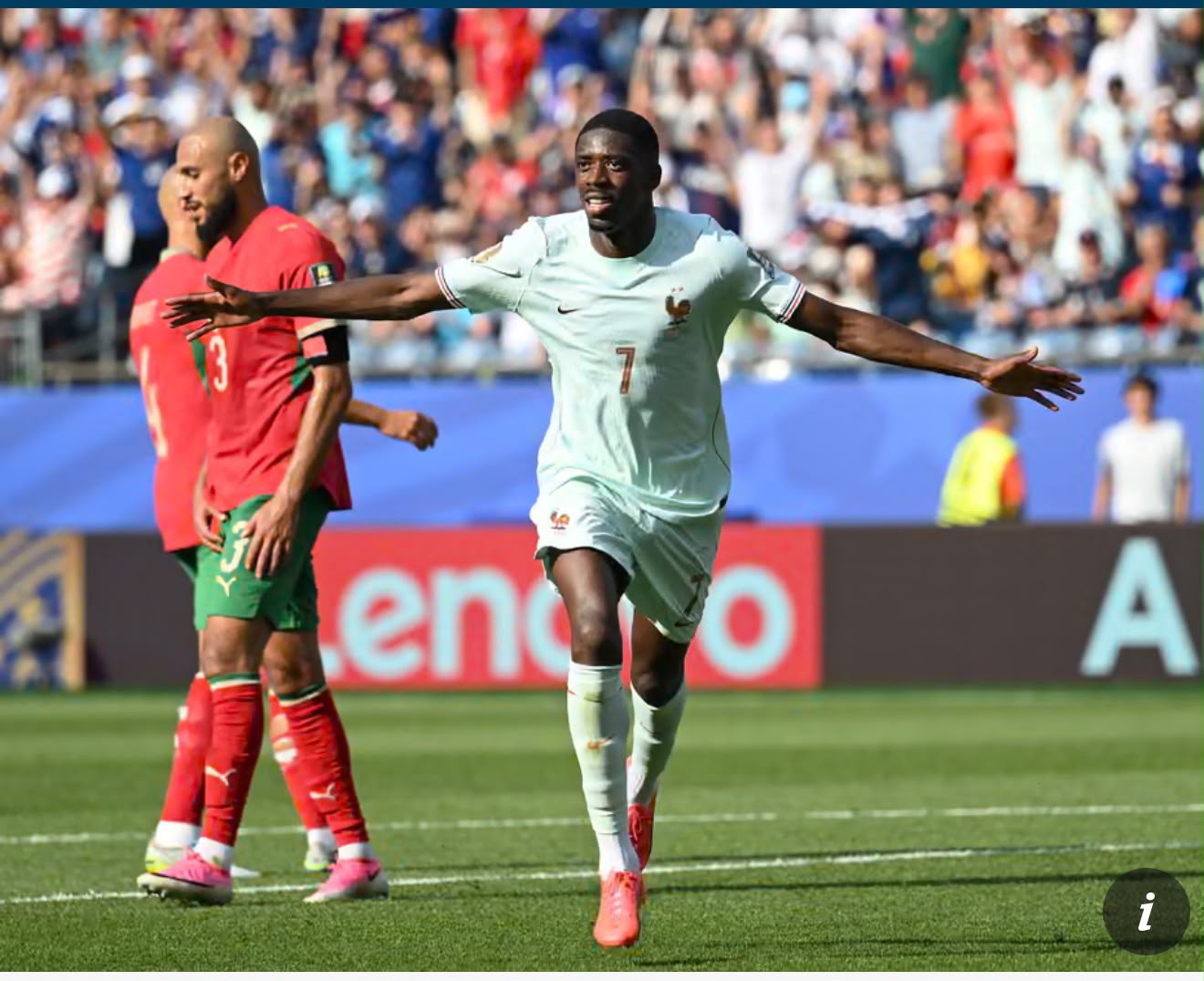
An England-Spain World Cup final would therefore become a battle between football’s historic birthplace and one of its modern masters.
Would football finally come home?
Only the players can answer that question.
Whatever the outcome, such a final would celebrate everything beautiful about the sport—technical excellence, tactical innovation, fierce competition and unforgettable drama.
Beyond Europe and South America, another football nation deserves attention.
The United States continues to make significant investments in player development, coaching education and professional infrastructure. Major League Soccer has improved dramatically over the past two decades, while increasing numbers of young American footballers are earning opportunities at leading European clubs.
The continued involvement of experienced football figures—whether through coaching, youth development or technical advisory roles—can only accelerate that progress. Legends such as Thierry Henry and Zlatan Ibrahimović have already contributed to football development in various capacities during and after their playing careers, and experienced football minds can play an important role in mentoring the next generation.
The United States possesses the financial resources, sporting infrastructure and growing football culture to become a genuine World Cup contender. Hosting the 2026 FIFA World Cup alongside Canada and Mexico may inspire another generation of young players to dream beyond domestic success.
The same optimism extends to Africa.
No African nation has yet lifted the FIFA World Cup, although Morocco’s historic run to the semifinals in Qatar in 2022 demonstrated that the gap separating Africa from traditional football powers continues to narrow.
Nigeria remains one of Africa’s greatest footballing nations in terms of talent production. From Jay-Jay Okocha and Nwankwo Kanu to Victor Osimhen and Ademola Lookman, the country has never lacked gifted footballers. What Nigeria requires is consistent administration, long-term planning, transparent player selection, investment in youth academies and a football culture free from political interference and corruption.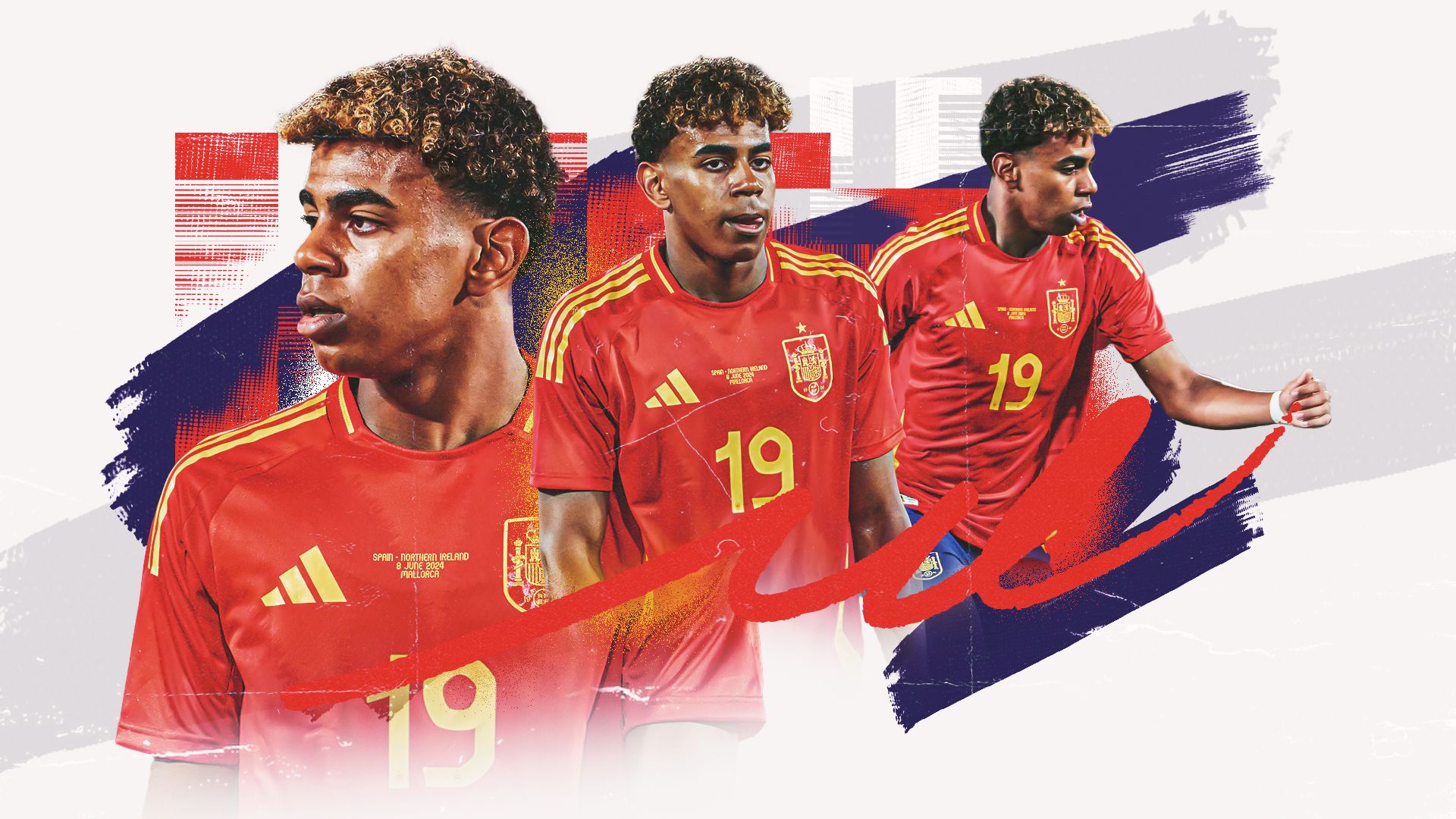
With proper governance, Nigeria possesses the talent to compete for football’s ultimate prize.
That same belief extends to several African nations whose academies continue to produce extraordinary players capable of succeeding at the highest levels of European football.
As another World Cup chapter unfolds, supporters across every continent are reminded why this tournament remains the greatest sporting event on Earth.
Dreams are created. Legends are born. Nations unite behind eleven players wearing their colors.
Whether history delivers England against Argentina, Spain against France, or the dream final between England and Spain, one certainty remains.
The football world is preparing for two potential semifinal classics worthy of the game’s greatest traditions.
And if fate is kind enough to deliver an England-Spain final, billions will watch to discover whether football finally comes home—or whether a new chapter of football history belongs to Spain once again.
