

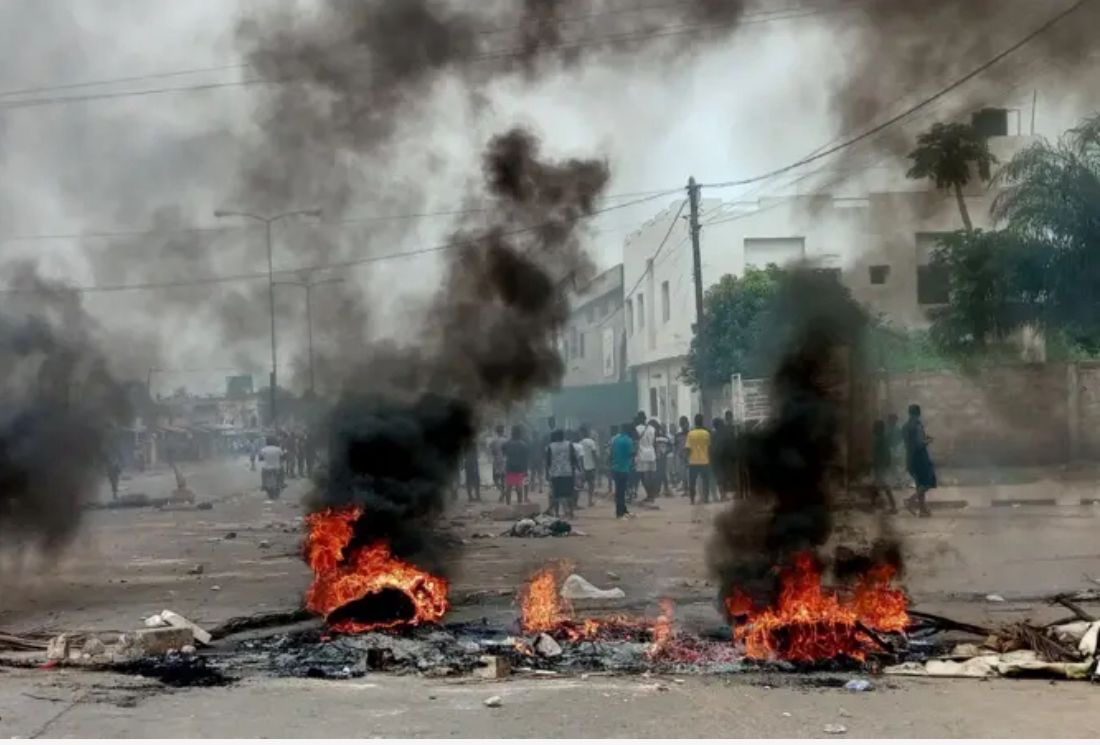
 The streets of Lomé have become the epicenter of a deepening political crisis in Togo, where widespread protests against constitutional changes have turned deadly. At least five demonstrators have lost their lives in clashes with security forces, as citizens rally against a controversial shift in governance that critics argue entrenches the rule of President Faure Gnassingbé indefinitely. The unrest, set to escalate further with planned protests this Friday, underscores a broader struggle over democracy in a nation ruled by the same family for nearly six decades .
A Constitutional Reconfiguration for Perpetual Power
In early 2024, Togo’s National Assembly, dominated by Gnassingbé’s Union pour la République (UNIR) party, swiftly approved constitutional amendments that dismantled presidential term limits and restructured the country’s political system. Under the revised framework, the presidency was reduced to a ceremonial role, while executive authority was transferred to a newly empowered Prime Minister—a position now occupied by Gnassingbé himself. This maneuver allows him to retain control without facing electoral accountability, as the Prime Minister is selected by the parliamentary majority, which UNIR firmly controls .
The government has framed the changes as a transition to a “parliamentary democracy,” aligning with Commonwealth norms following Togo’s 2022 accession to the bloc. However, opposition figures and civil society groups dismiss this narrative as a façade, labeling the reforms a “constitutional coup” designed to perpetuate dynastic rule. Gilbert Bawara, Togo’s Civil Service Minister, defended the process, asserting that all major political actors participated in the legislative vote—a claim contested by opposition leaders who boycotted previous elections over allegations of fraud .
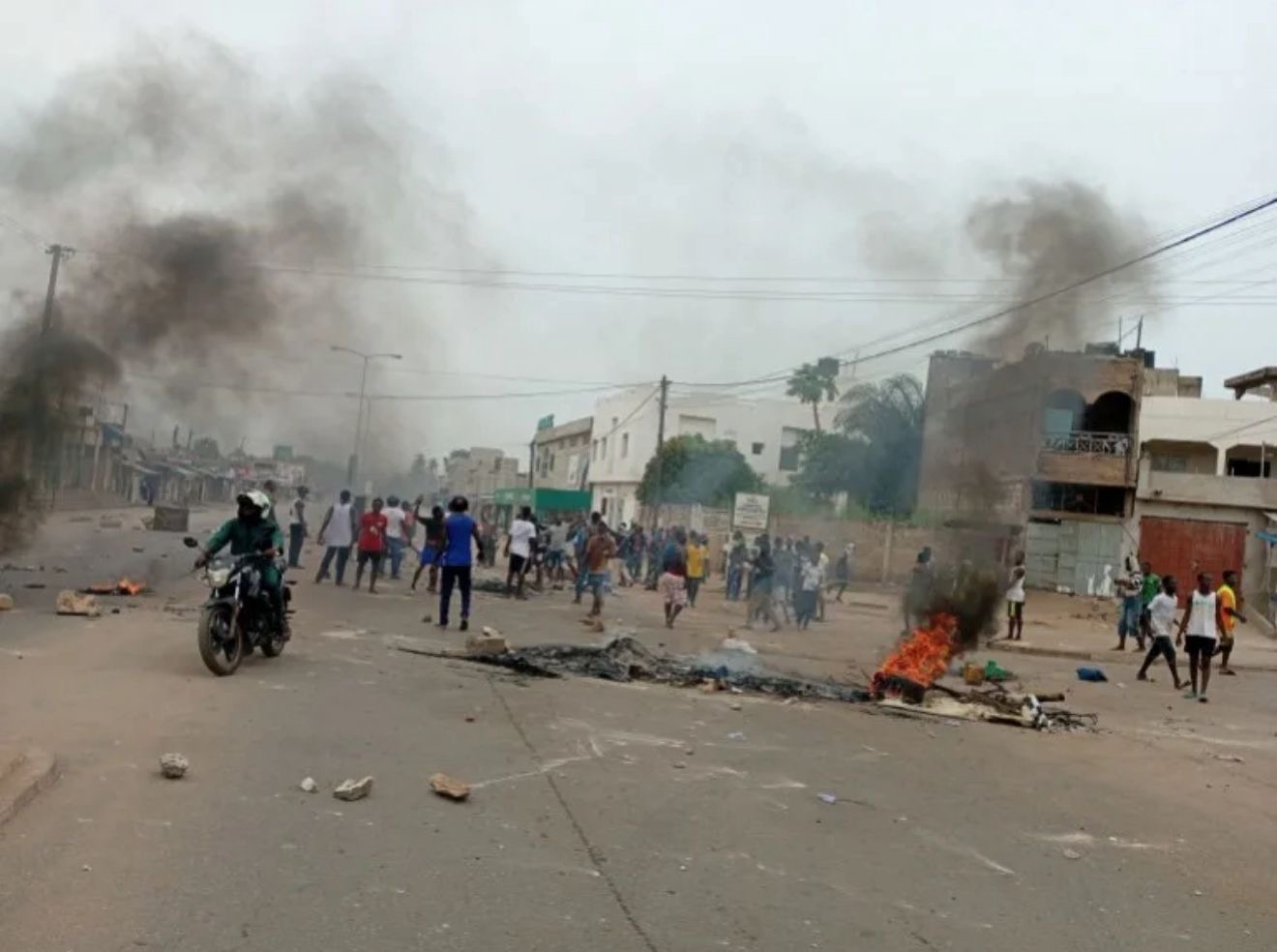 Public Outcry and the Crackdown on Dissent The constitutional overhaul has galvanized a diverse coalition of protesters, including youth activists, artists, and opposition supporters. Unlike past demonstrations led by traditional political parties, this wave of dissent has been spearheaded by cultural figures such as rapper Essowe Tchalla (known as Aamron) and poet Honoré Sitsopé Sokpor (alias Affectio), whose arrests have become rallying points for public anger. Aamron’s detention in late May—culminating in his forced appearance in a hostage-style video from a psychiatric hospital—has drawn comparisons to Soviet-era repression and further inflamed tensions .
Security forces have responded with heavy-handed tactics, including arbitrary arrests, violent dispersals of protests, and the deployment of armed pro-government militias. Human rights organizations report widespread detentions of bystanders, while at least two bodies were discovered in Lomé’s lagoons under suspicious circumstances. The government, meanwhile, has blamed “foreign agitators” for inciting unrest, framing the protests as a threat to national stability .
Regional and International Silence
The crisis has unfolded against a backdrop of regional instability, with neighboring Sahel states grappling with military coups and jihadist insurgencies. Yet, the Economic Community of West African States (ECOWAS)—historically vocal against unconstitutional power grabs—has remained conspicuously muted. Analysts suggest this reluctance stems from ECOWAS’s fragility after the withdrawal of Burkina Faso, Mali, and Niger, leaving the bloc wary of provoking further fractures .
Internationally, attention has been diverted by conflicts in Ukraine and Gaza, allowing Togo’s constitutional shift to proceed with little scrutiny. France, Togo’s former colonial power, has not publicly opposed the changes, while the African Union has yet to issue a forceful condemnation. This silence has emboldened the Gnassingbé regime, reinforcing perceptions of impunity for leaders who manipulate legal frameworks to cling to power .
The Gnassingbé Dynasty’s Enduring Legacy
The current upheaval is the latest chapter in a political saga spanning six decades. Faure Gnassingbé inherited power in 2005 following the death of his father, Gnassingbé Eyadéma, who ruled Togo for 38 years. Despite periodic protests and opposition challenges—notably in 2017 and 2020—the family’s grip on power has remained unshaken, bolstered by military loyalty, gerrymandered electoral districts, and the systematic marginalization of southern opposition strongholds .
Critics argue that the new constitution entrenches a “republican monarchy,” where democratic institutions serve as a veneer for authoritarian control. The appointment of 86-year-old Jean-Lucien Savi de Tové as ceremonial president underscores the regime’s reliance on symbolic gestures to mask its consolidation of power .
A Movement Beyond Traditional Politics
The opposition’s failure to unseat Gnassingbé through elections has led to a shift in tactics, with grassroots movements like M66 (named after Gnassingbé’s June 6 birthday) and the viral #FaureMustGo campaign galvanizing youth disillusioned with formal politics. These groups, leveraging social media and cultural expression, represent a new front in the struggle for democratic reform—one that operates outside the confines of traditional party structures .
Yet, the path forward remains uncertain. With the security apparatus firmly aligned with the regime and regional bodies hesitant to intervene, protesters face formidable obstacles. The coming weeks will test whether Togo’s civil society can sustain its momentum—or whether Gnassingbé’s constitutional gambit will succeed in extending his family’s rule for generations to come.
As the world’s gaze remains fixed elsewhere, Togo’s crisis serves as a stark reminder of the fragility of democracy in an era of resurgent authoritarianism. The stakes extend beyond Lomé: Should Gnassingbé’s strategy go unchallenged, it may embolden other leaders in the region to follow suit, further eroding West Africa’s democratic foundations .
1stafrika.com reporting
July, 2025
