

 By Jide Adesina
West Africa stands at a defining moment in its modern history. Across the region, governments, businesses, investors, and citizens are navigating a complex landscape shaped by rapid technological advancement, evolving security challenges, expanding economic opportunities, and growing demands for regional integration. While political developments often dominate international headlines, three interconnected sectors—aviation, security, and technology—are increasingly determining the trajectory of the region’s future.
The story unfolding across West Africa is one of contradiction and opportunity. It is a region where some of Africa’s most innovative technology companies are being built while vast areas continue to grapple with insecurity. It is a region where digital payments have become part of daily life for millions, yet physical movement between neighboring countries remains expensive and difficult. It is a region where global investors see enormous potential even as governments confront some of the continent’s most pressing security threats.
Nowhere is this contrast more visible than in the aviation sector.
For decades, aviation has been viewed as one of the critical pillars required for Africa’s economic integration. Yet despite sharing common borders, cultural ties, and economic interests, many West African countries remain poorly connected by air. In many cases, it is easier and cheaper for travelers to fly through Europe or the Middle East than to travel directly between neighboring African states.
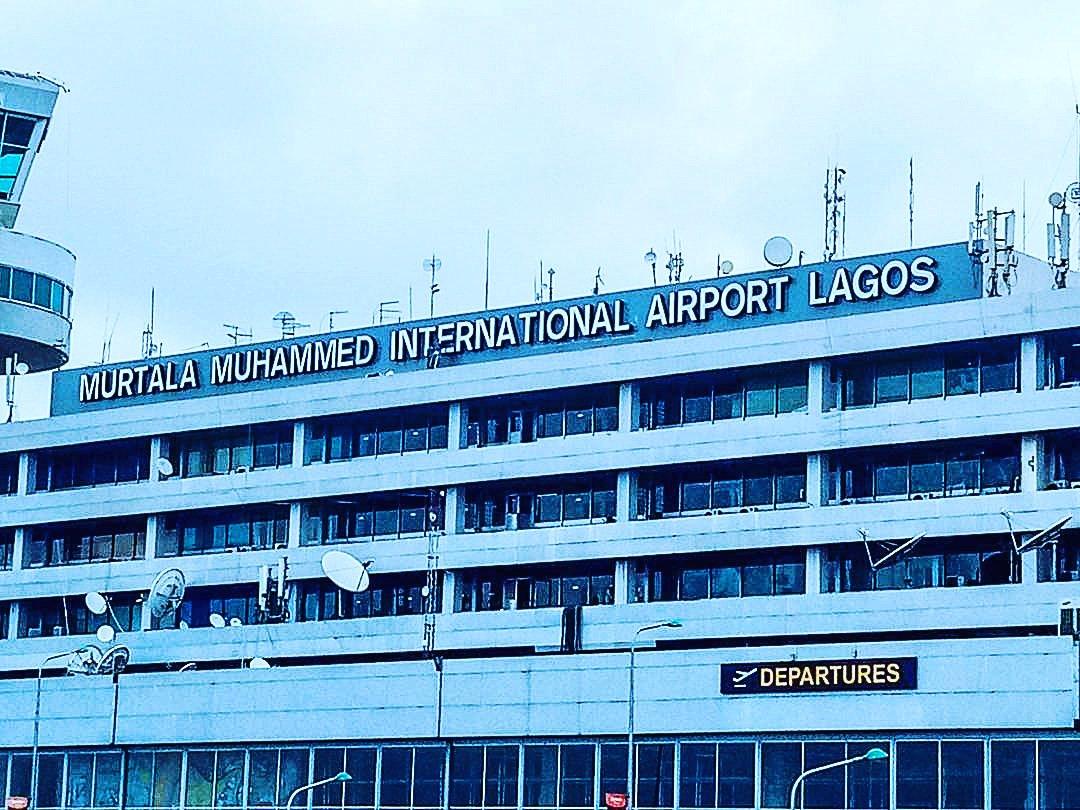
The region’s major aviation gateways continue to play a critical role in facilitating business, tourism, diplomacy, and trade. Nigeria’s Murtala Muhammed International Airport in Lagos remains one of Africa’s busiest aviation centers and serves as a major gateway into West Africa. The airport handles millions of passengers annually and functions as a crucial hub for international airlines connecting Africa with Europe, North America, the Middle East, and Asia.
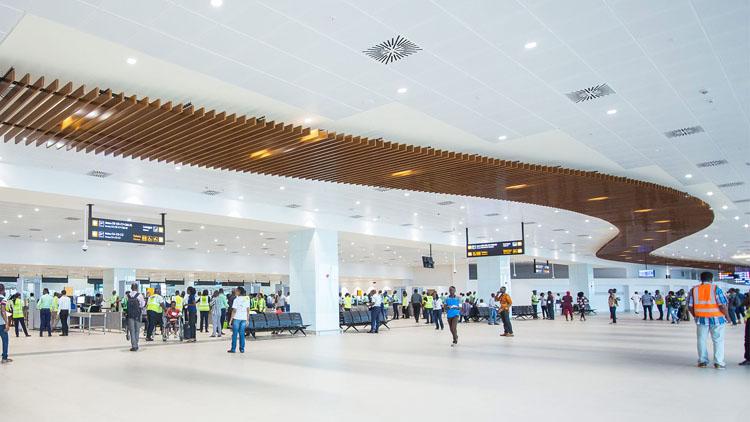
In Ghana, Kotoka International Airport in Accra has emerged as one of Africa’s most modern aviation facilities. Significant investments in airport infrastructure have enhanced passenger experience, improved operational efficiency, and strengthened Ghana’s position as a regional transit destination. The airport has become increasingly important for business travelers, multinational corporations, and investors seeking access to the growing West African market.
Further west, Félix-Houphouët-Boigny International Airport in Abidjan has become a symbol of Côte d’Ivoire’s economic resurgence. As Abidjan consolidates its status as one of West Africa’s leading commercial centers, the airport has experienced sustained growth in passenger traffic and cargo operations. Its strategic location continues to strengthen Côte d’Ivoire’s role as a gateway to Francophone West Africa.
Despite these successes, significant challenges remain. High ticket prices continue to limit air travel accessibility across the region. Aviation experts have repeatedly pointed to high operational costs, taxation policies, airport charges, fuel expenses, and regulatory barriers as key factors driving up fares. For many West Africans, air travel remains a luxury rather than a practical transportation option.
This reality has prompted renewed attention toward the Single African Air Transport Market initiative, a flagship project of the African Union designed to liberalize African skies and enhance connectivity across the continent. The initiative seeks to reduce barriers that have historically restricted competition and limited the growth of African airlines. While implementation has progressed unevenly, industry stakeholders increasingly view greater air connectivity as essential for unlocking the full potential of regional trade and economic integration.
The importance of aviation extends far beyond passenger travel. Efficient air transport networks support investment, facilitate commerce, strengthen tourism industries, and improve the movement of goods and services. As the African Continental Free Trade Area gains momentum, improving regional air connectivity will become increasingly important for sustaining economic growth across West Africa.
However, aviation’s future is inseparable from another issue that continues to dominate policy discussions across the region: security.

The Sahel remains one of the world’s most volatile security environments and continues to represent the greatest security challenge facing West Africa. Stretching across vast territories that include parts of Mali, Burkina Faso, and Niger, the region has become the epicenter of a complex insurgency involving multiple armed groups, transnational criminal networks, and competing geopolitical interests.
Armed organizations linked to Jama’at Nusrat al-Islam wal-Muslimin, commonly known as JNIM, continue to expand their operational activities across parts of the Sahel. The group remains one of the most powerful militant organizations operating in the region and has demonstrated an ability to adapt despite years of military operations by national governments and international partners.
At the same time, affiliates associated with the Islamic State continue to exploit fragile governance structures, porous borders, and socio-economic vulnerabilities. The security landscape has become increasingly fragmented, making coordinated responses more difficult for national authorities.
The challenges facing the Sahel extend beyond terrorism alone. Cross-border criminal activities have evolved into sophisticated networks that facilitate arms trafficking, human smuggling, illicit trade, and organized crime. The vast geographic expanse of the region, combined with limited state presence in remote areas, has enabled criminal groups to operate across national boundaries with relative ease.
Kidnapping has emerged as one of the most troubling dimensions of the security crisis. Across several countries, criminal gangs and insurgent groups have increasingly targeted civilians, government officials, aid workers, and travelers. In many cases, kidnapping has become a significant source of revenue for criminal organizations operating within the region.
Nigeria continues to face some of the most complex security challenges on the continent. While security agencies have recorded operational successes against insurgent groups, threats persist across multiple regions. The northeast continues to experience insurgent activity linked to extremist organizations, while parts of northwestern and north-central Nigeria face challenges related to banditry, kidnapping, communal conflicts, and criminal violence.
The security situation carries significant economic implications. Investors closely monitor stability indicators when making decisions about capital allocation, infrastructure development, and long-term business operations. Persistent insecurity increases operating costs, discourages investment, disrupts supply chains, and affects agricultural production in affected areas.
Yet despite these challenges, West Africa’s technology sector is emerging as one of the continent’s most remarkable success stories.
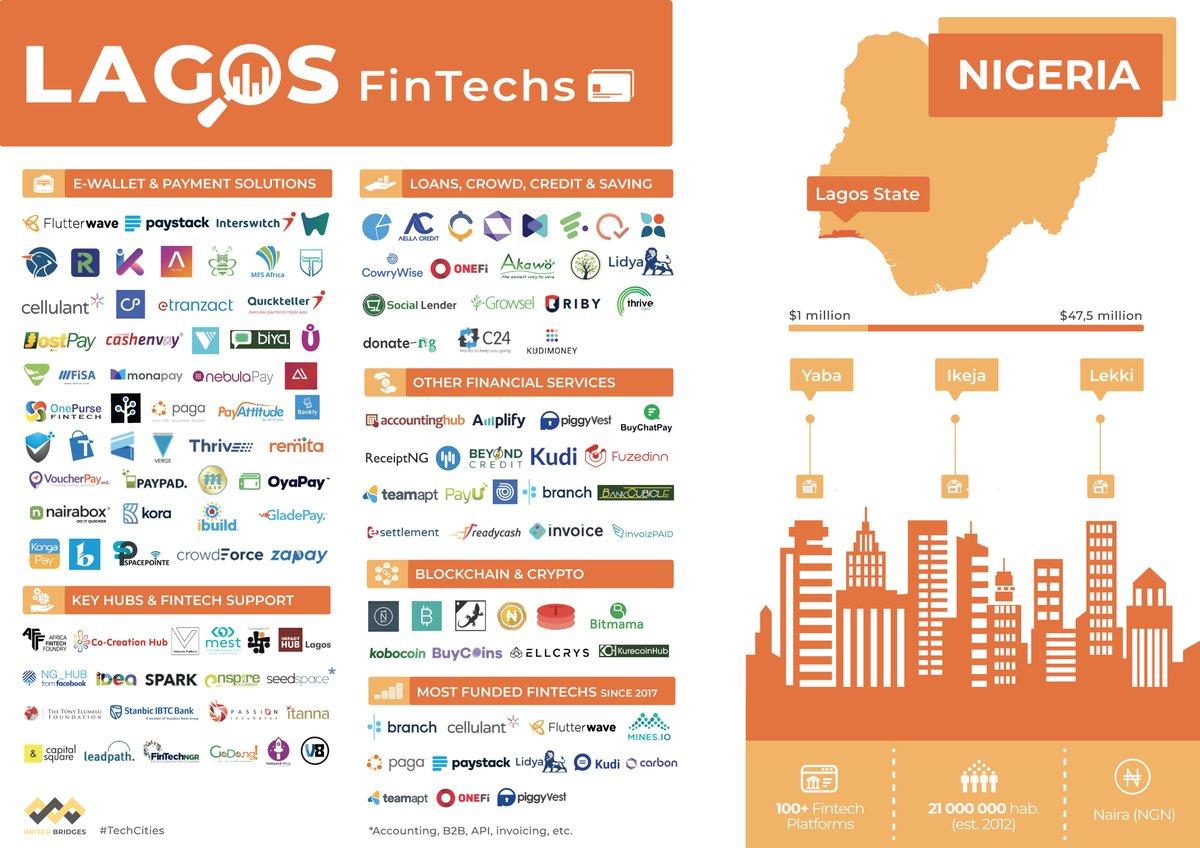
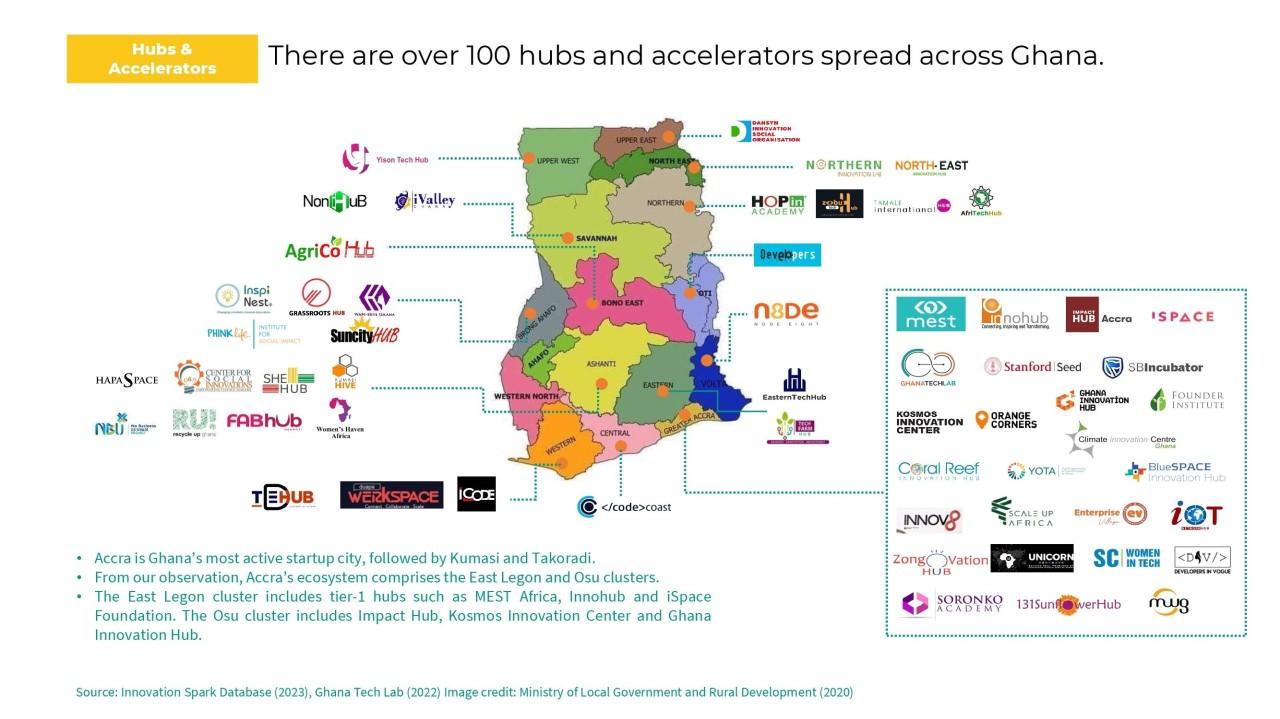
Lagos has firmly established itself as Africa’s largest startup ecosystem and one of the most important technology hubs in the developing world. The Nigerian city has become synonymous with innovation, entrepreneurship, and digital transformation. Over the past decade, Lagos has produced companies that have transformed financial services, e-commerce, logistics, healthcare, and digital commerce.
The fintech sector remains the region’s most dynamic technology segment. Digital payment platforms have revolutionized how individuals and businesses conduct transactions. Millions of West Africans now rely on mobile applications and digital financial services for payments, savings, lending, and business operations. The success of fintech companies has attracted significant international attention and investment, positioning West Africa as a global leader in financial innovation.
Artificial intelligence is increasingly becoming a focal point of regional technology development. Startups and technology companies are exploring AI applications in financial services, healthcare, agriculture, education, logistics, cybersecurity, and customer engagement. Governments and private-sector organizations are also beginning to recognize the transformative potential of AI in addressing development challenges and improving service delivery.
Digital banking continues to reshape traditional financial institutions. Banks across Nigeria, Ghana, Senegal, and Côte d’Ivoire are investing heavily in digital platforms, mobile applications, and customer-centric technologies designed to meet the evolving expectations of increasingly connected populations.
E-commerce platforms are expanding rapidly as internet penetration increases and consumer behavior evolves. Online marketplaces, delivery services, and digital retail solutions are transforming how goods and services are purchased and distributed throughout the region. This growth is creating opportunities for entrepreneurs while simultaneously generating employment across multiple sectors.
Health technology has also gained significant momentum. Technology-driven healthcare solutions are helping improve access to medical services, facilitate remote consultations, enhance patient management systems, and address longstanding challenges in healthcare delivery.
Perhaps most remarkable is the continued confidence shown by investors in West Africa’s technology ecosystem. Although global venture capital funding has slowed compared to the record levels experienced during the post-pandemic investment boom, countries such as Nigeria, Ghana, Senegal, and Côte d’Ivoire continue to attract significant interest from international investors. Venture capital firms increasingly view the region’s young population, growing digital adoption, and entrepreneurial culture as indicators of long-term growth potential.
The convergence of aviation, security, and technology highlights the broader transformation taking place across West Africa. Each sector influences the others. Improved security strengthens investor confidence and supports economic growth. Enhanced aviation connectivity facilitates trade, tourism, and business expansion. Technological innovation creates new opportunities for economic diversification while offering tools that can improve governance, security, and service delivery.

West Africa’s future will not be determined solely by its challenges nor exclusively by its successes. Rather, it will be shaped by how effectively governments, businesses, and regional institutions address persistent obstacles while capitalizing on emerging opportunities. The region possesses one of the world’s youngest populations, vast natural resources, expanding consumer markets, and a rapidly growing digital economy.
These assets provide a foundation upon which a more prosperous and integrated future can be built. Yet realizing that future will require sustained investment, stronger regional cooperation, improved governance, and innovative approaches to addressing security concerns.
As the world increasingly turns its attention toward Africa’s growth story, West Africa is positioning itself not merely as a participant in that narrative but as one of its principal authors. The decisions made today in Lagos, Accra, Dakar, Abidjan, Abuja, Bamako, Ouagadougou, and Niamey will shape the region’s trajectory for decades to come.
The story of West Africa is still being written. What is increasingly clear, however, is that aviation, security, and technology will remain among the most influential forces defining its next chapter.
