

Jide Adesina’s Closing Reflections from the FIFA World Cup for 1stAfrika.com
The curtain has finally fallen on the 2026 FIFA World Cup, a tournament jointly hosted by the United States, Canada and Mexico, the first World Cup in history to feature 48 nations and the most geographically expansive championship ever staged. For more than a month, football united continents, cultures and generations in a celebration that went far beyond the game itself.
Covering this historic tournament from its opening matches through the expanded group stage, the new Round of 32, the Round of 16, quarter-finals, semi-finals and the unforgettable final has been one of the greatest professional experiences of my career as a journalist. Every stadium, every city and every encounter reinforced one enduring truth: modern football no longer has permanent underdogs. The gap between the traditional powers and emerging nations continues to shrink because knowledge, technology, elite coaching, sports science, artificial intelligence, data analytics and global media have transformed football into a truly interconnected global enterprise. Every nation now studies every opponent in remarkable detail. Tactical ideas spread across continents in real time, while players train in the world’s biggest leagues regardless of where they were born.
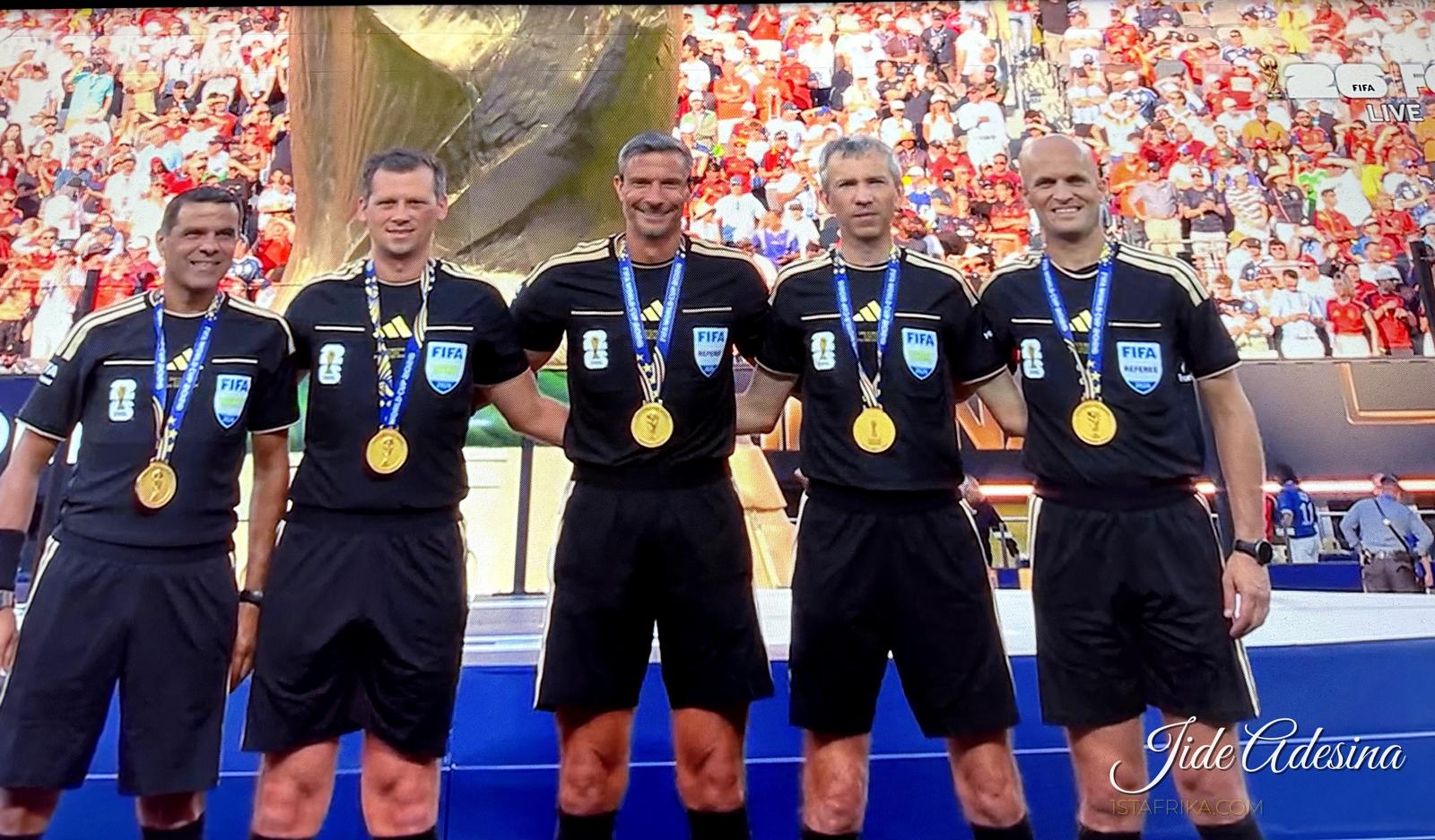
One of the most memorable matches of the tournament was the spirited contest between Argentina and Cape Verde. While Argentina entered as overwhelming favourites, Cape Verde demonstrated remarkable organisation, courage and tactical discipline. Although the South Americans ultimately prevailed, the African nation earned enormous respect for refusing to be intimidated by the reigning world champions. Their performance echoed Nigeria’s famous display against Italy at the 1994 FIFA World Cup, when the Super Eagles came within moments of eliminating one of football’s greatest nations. Football is often decided by fine margins, and while courage alone does not win championships, belief and collective organisation can inspire performances that become part of World Cup folklore.
Perhaps no rivalry illustrated the importance of football culture and tactical identity more than Spain’s superiority over France during this tournament. Spain did not simply rely on individual brilliance; they imposed a football philosophy refined over decades. Their control of possession, technical precision, composure under pressure and positional intelligence consistently neutralised one of the world’s most talented squads.
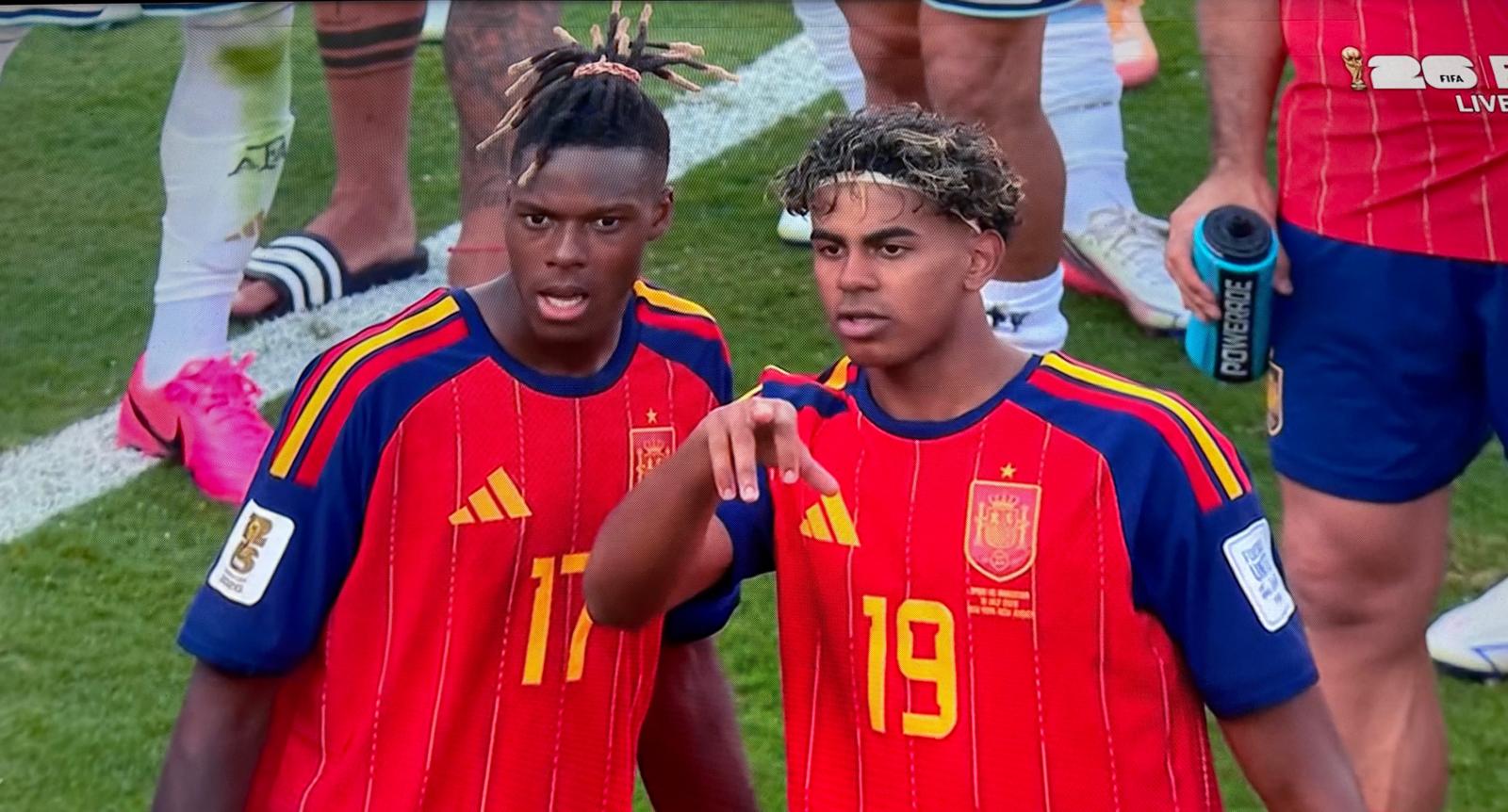
Spain’s success did not happen overnight. After years of disappointment during the 1980s and 1990s, including the painful exit at Italia ’90, Spanish football invested heavily in youth academies, coaching education and technical development. That long-term vision produced generations led by Xavi Hernández, Andrés Iniesta, Xabi Alonso, Sergio Busquets and later Rodri. Today, a new generation represented by Lamine Yamal and Nico Williams continues that tradition. Spain’s football identity has become self-sustaining because every generation inherits the same philosophy while adding its own creativity.
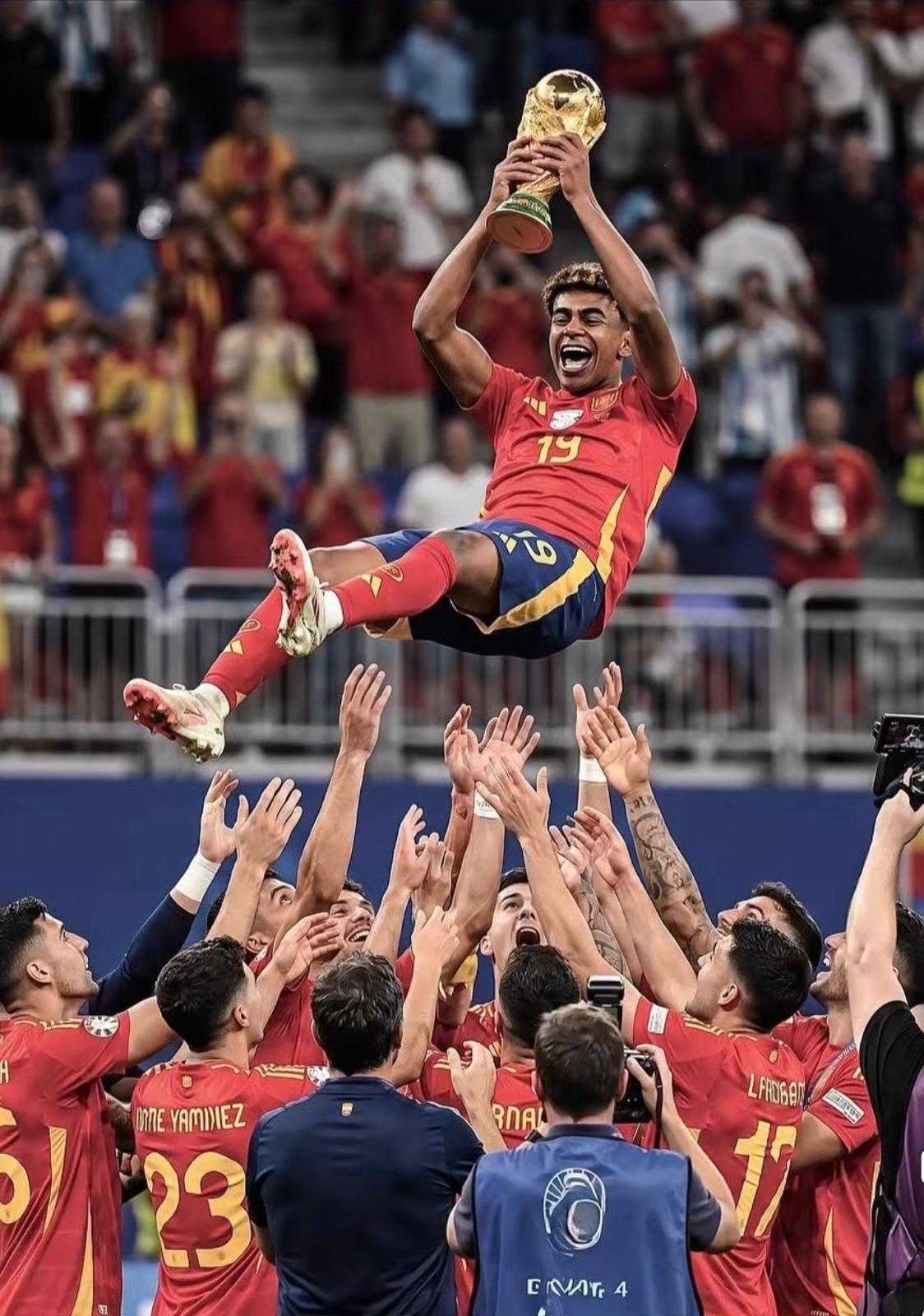
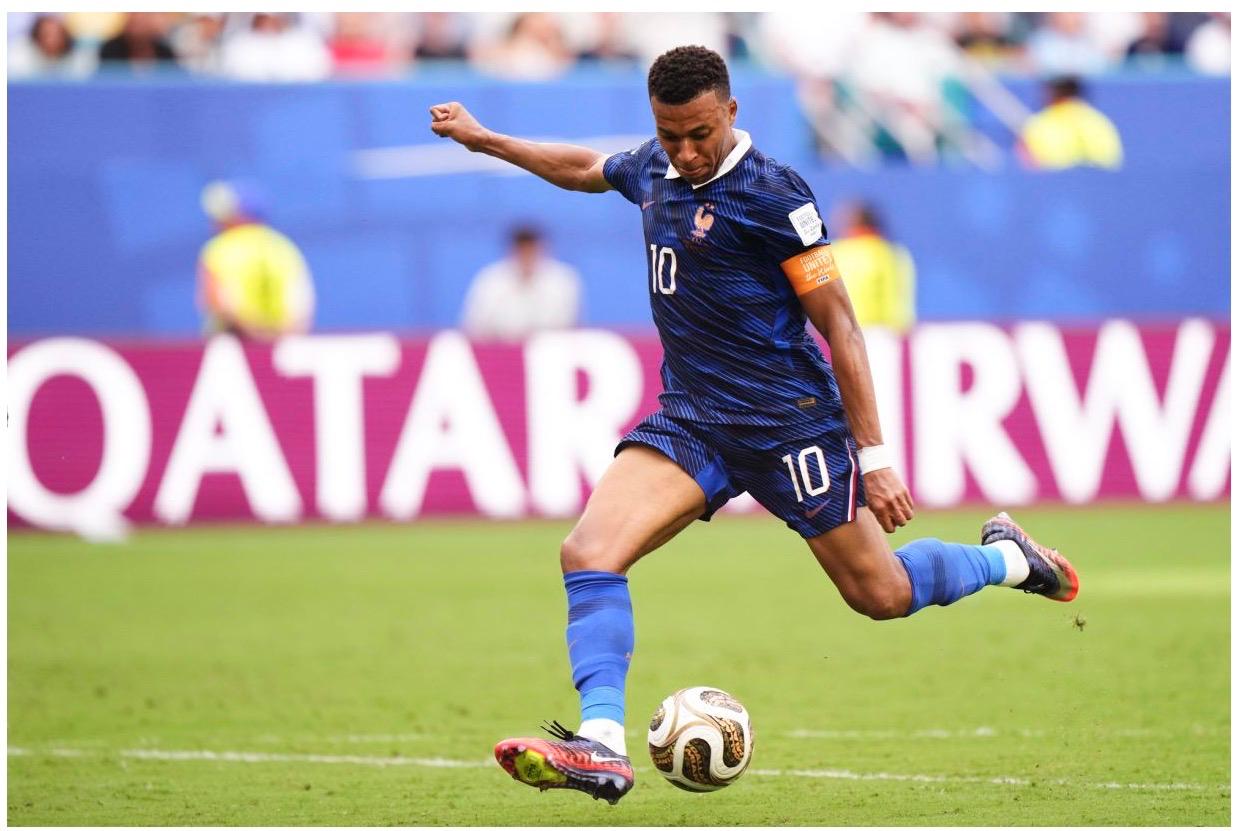
France, despite possessing extraordinary talent in Kylian Mbappé, Ousmane Dembélé and Michael Olise, struggled to match Spain’s rhythm and collective understanding. Football is never won on talent alone; tactical cohesion, mentality and decision-making often determine who lifts the trophy.
The tournament also highlighted important lessons for African football. Morocco, Senegal, Egypt, Cape Verde and other African representatives displayed technical growth, tactical maturity and physical excellence. However, moments of indiscipline, costly red cards and lapses in concentration proved decisive in knockout football, where a single mistake can end years of preparation. Discipline remains as valuable as talent.
Environmental conditions also became part of the tournament’s story. Several matches were played under intense summer heat across North America, testing players physically and mentally. Elite preparation now extends beyond fitness to include hydration management, recovery science, psychological resilience and emotional discipline. Champions are increasingly built by multidisciplinary teams that prepare athletes for every possible challenge.
Nigeria may not have qualified for this World Cup, but Nigerian heritage remained visible throughout the tournament. Numerous players of Nigerian descent represented other nations, illustrating once again the extraordinary depth of Nigerian football talent around the world. Their success should encourage Nigerian football administrators to strengthen youth development, improve grassroots investment and build greater trust with talented players in the diaspora. Nigeria possesses the talent to compete with football’s elite, but sustained institutional reform and transparent administration remain essential to unlocking that potential.
One of the tournament’s biggest disappointments was Brazil. For generations, Brazilian football has symbolised creativity, flair, improvisation and joyful attacking football. This edition often lacked that traditional Brazilian identity. While tactical discipline is important, Brazil has always been at its most dangerous when technical freedom complements tactical structure. Supporters around the world expect the Seleção to entertain as well as compete. Likewise, Neymar’s limited participation due to fitness concerns deprived fans of one of football’s greatest entertainers during what may prove to be one of the final World Cups of his career.
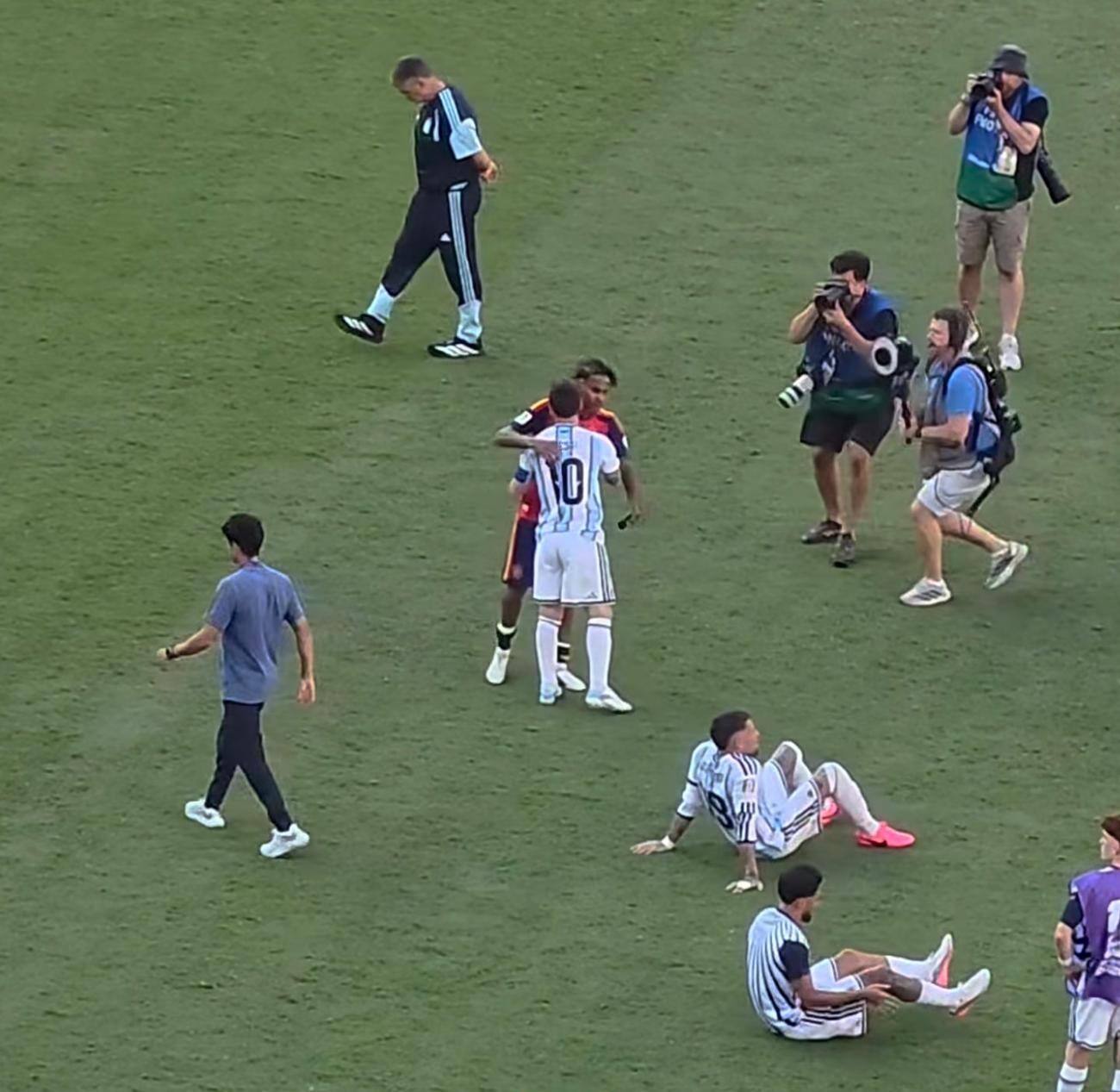
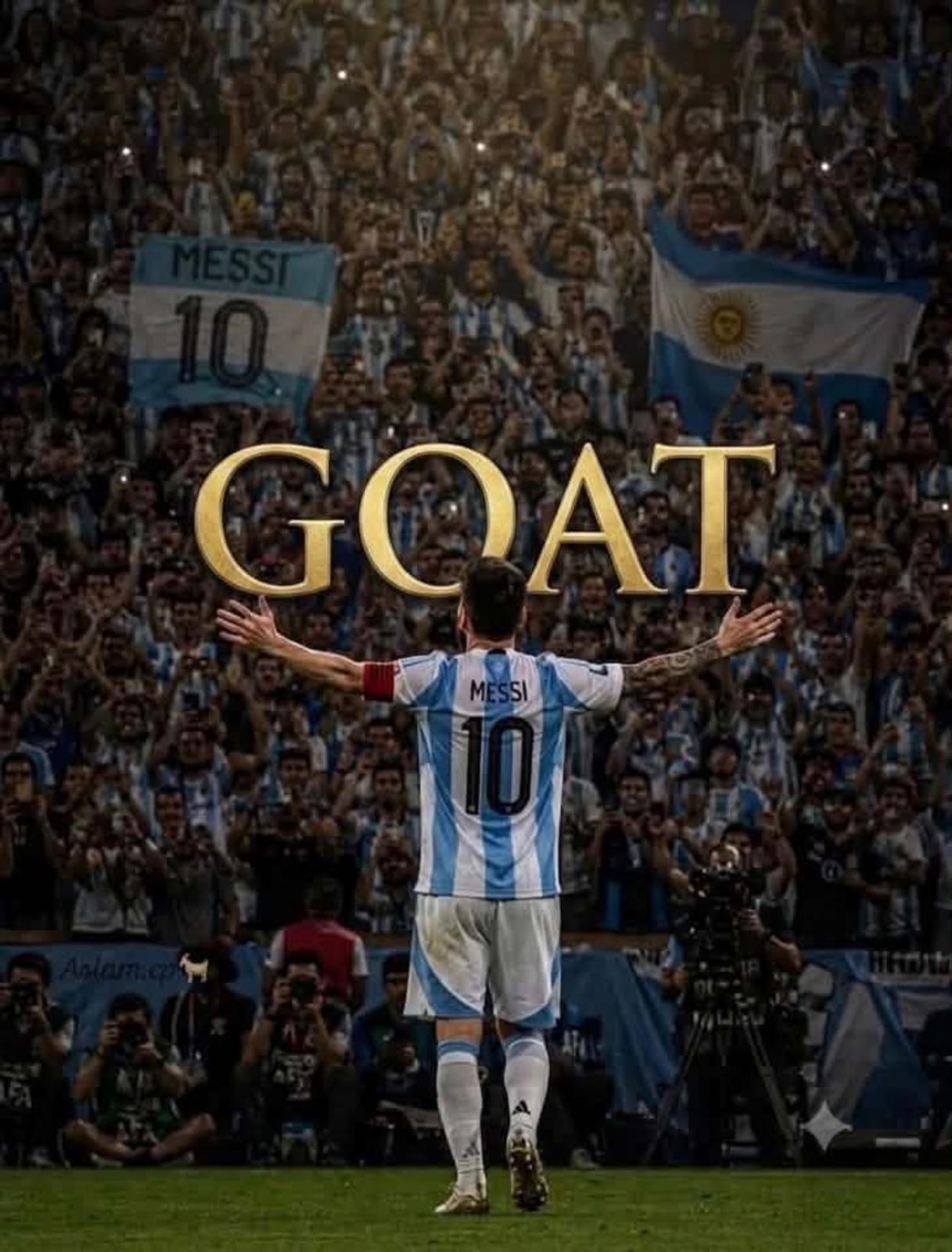
Argentina once again reminded the football world why they remain among the sport’s greatest nations. Organised, resilient and united around Lionel Messi’s leadership, they demonstrated intelligence, composure and immense competitive spirit throughout the tournament. Yet football also revealed its timeless reality: experience eventually yields to youth. Spain’s emerging generation combined technical excellence with fearlessness, showing that the future had arrived without abandoning respect for the past.
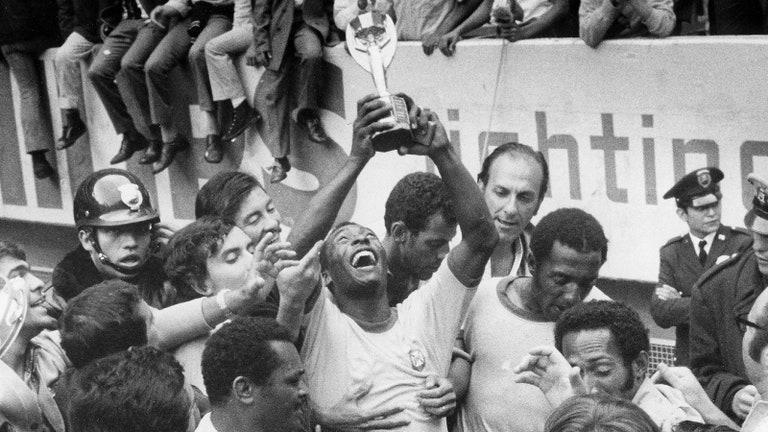
Lionel Messi leaves another World Cup with his legacy beyond dispute. His achievements—including a FIFA World Cup title, multiple Copa América triumphs, numerous Ballon d’Or awards and an unparalleled club career—place him among the greatest footballers in history. Pelé remains unique as the only player to have won three FIFA World Cups, a record that continues to stand as one of football’s greatest achievements. Greatness in football is measured in different ways, and both Pelé and Messi occupy places that future generations will continue to debate with admiration.
The United States also leaves this World Cup with valuable lessons. As one of the tournament’s hosts, America demonstrated its capacity to organise sporting events on an extraordinary scale. The country’s infrastructure, stadiums and commercial strength are unmatched. The next challenge is football development itself. Continued investment in academies, coaching, player exports to Europe’s leading leagues and stronger pathways from youth football to the professional game could eventually produce American players capable of becoming global icons alongside the nation’s legendary athletes in basketball, American football and other sports. There is every reason to believe that the United States can one day compete seriously for football’s ultimate prize.
Looking back across every stage of this remarkable tournament—from the expanded group phase through the knockout rounds to the final—the defining lesson is that preparation always defeats potential left unrealised. Modern football rewards nations that think decades ahead rather than tournaments ahead. Championships are no longer won solely by gifted individuals but by systems, institutions, youth academies, sports science, tactical intelligence and collective belief.
For me personally, covering the FIFA World Cup on American soil has been both a professional honor and a deeply memorable experience. To witness history, unfold, to interact with players, supporters and fellow journalists from across the globe, and to document football’s greatest celebration has been a privilege I will always treasure.
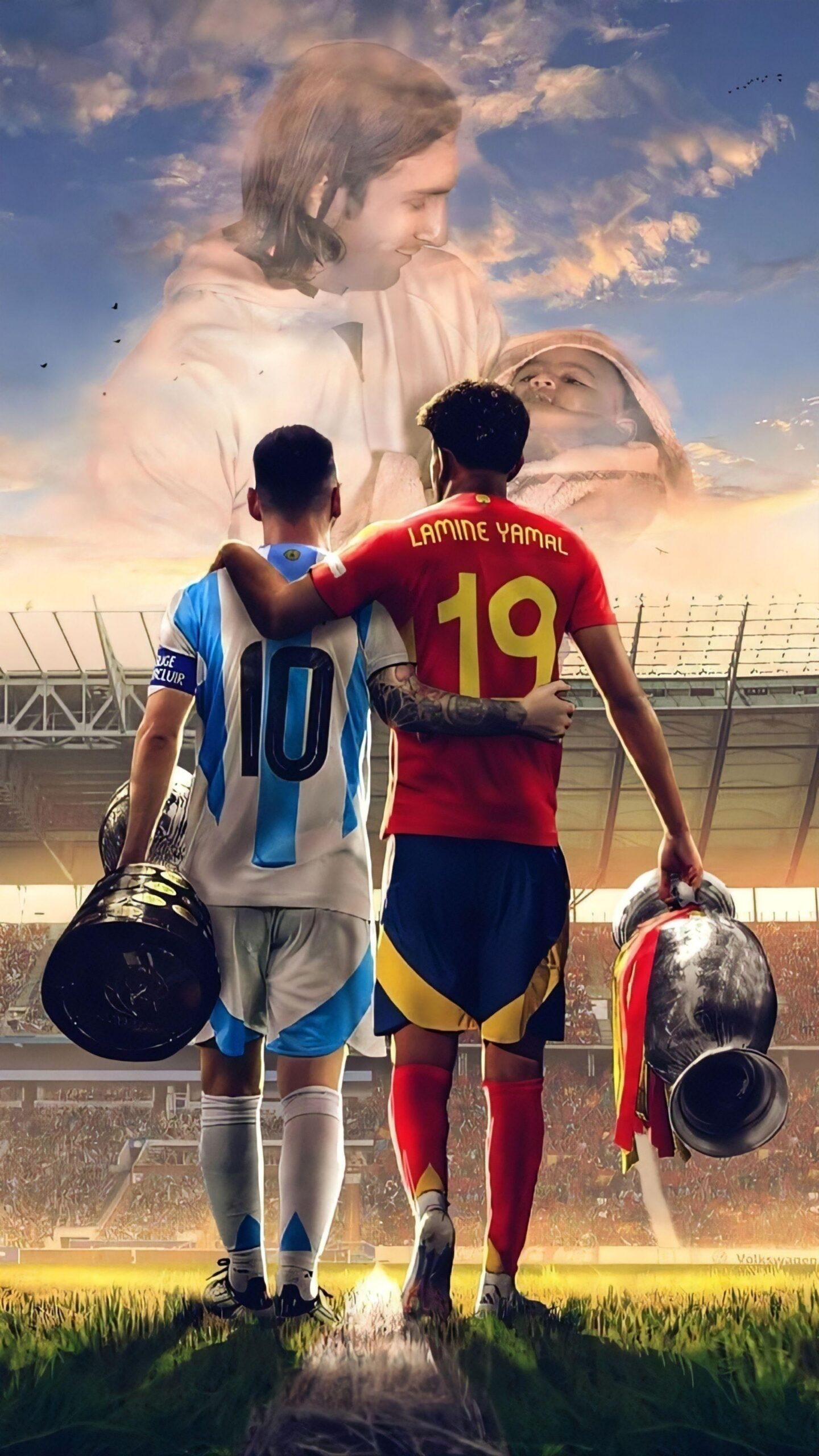
As the final whistle echoes into history, one generation steps aside while another begins its ascent. The beautiful game continues to evolve, yet its power to inspire remains unchanged.
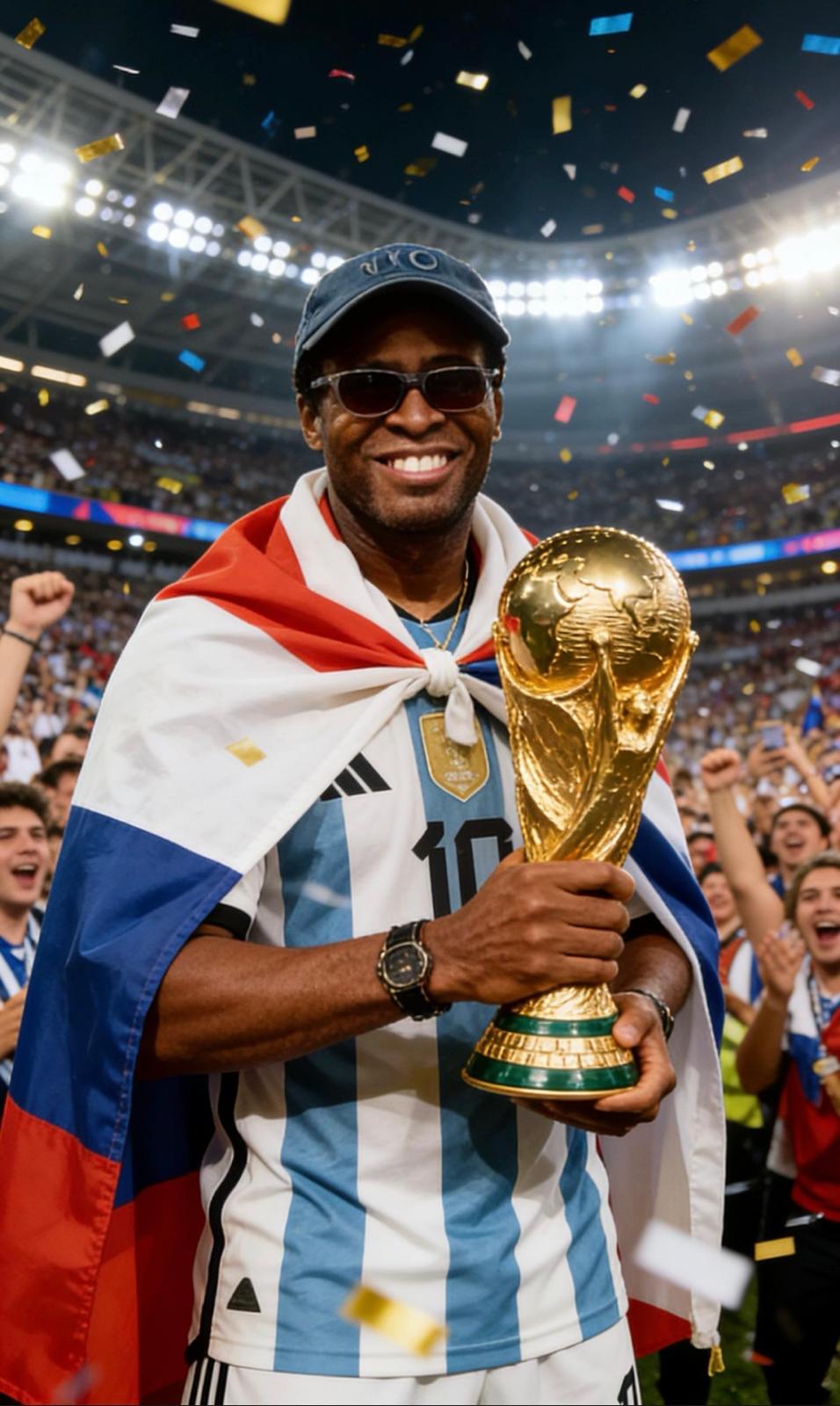 Until the next FIFA World Cup, this is Jide Adesina, Founder and Editor-in-Chief of 1stAfrika.com, signing off from an unforgettable tournament that reminded the world why football remains the world’s game.
